The Growing Concern of Player Load in Tennis
Tennis player load has long been a topic of discussion, but the 2026 French Open has brought it to the forefront of the sport. In the first three days of this year’s tournament, six players retired mid-match, and a further twelve withdrew before their opening matches even began. Among those who left early were notable names such as Arthur Fils, Holger Rune, Jack Draper, Lorenzo Musetti, and most significantly, Carlos Alcaraz, the two-time defending champion and one of the sport’s biggest stars.
Alcaraz withdrew due to tenosynovitis in his right wrist, an inflammation caused by overuse. This condition is a direct result of the immense physical demands placed on players, who hit a tennis ball several hundred times per match across tournaments that span eleven months of the year. The instrument of his greatness, his wrist, was worn out from years of play.
Heat Becomes a Major Issue
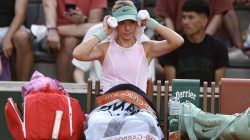
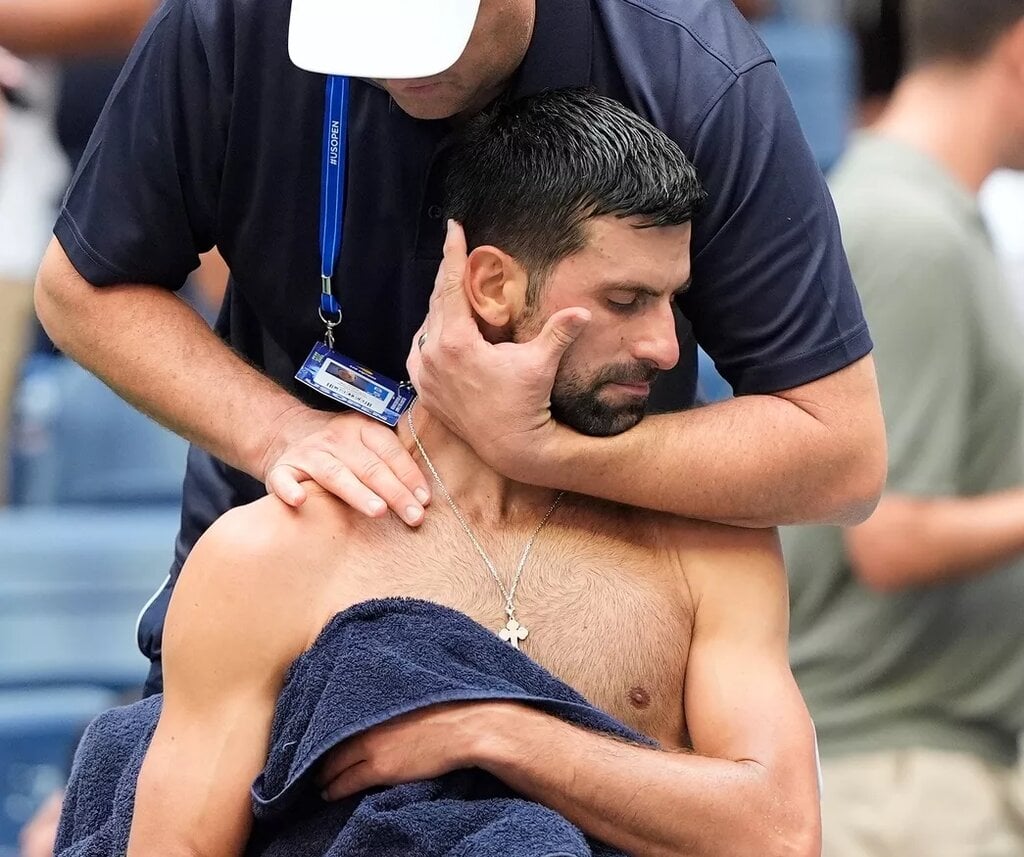
The 2026 French Open also saw extreme temperatures, with conditions reaching 33 degrees Celsius—far beyond the norm for late May in Paris. Players reported experiencing heat levels similar to those during the 2024 Paris Olympics, which were held in July and August. Canada’s Gabriel Diallo cited the heat as the primary reason for his retirement in the first round. Both Andrey Rublev and Ignacio Buse required medical attention during a single match, with Buse receiving mineral salts and a stethoscope placed on his chest.
The French Open is typically one of the cooler Grand Slams compared to events in Australia and New York. However, the forecast suggested that the heat would persist throughout the first week, marking a new reality rather than a one-year anomaly. Paris in late May is getting hotter, and the clay surface is becoming faster and harder under these conditions. While some players, particularly big servers and baseline hitters, welcomed the fast conditions, others found them physically demanding, especially those relying on endurance and extended rallies.
The Schedule Is the Suspect
By mid-March of this year, there had already been 37 instances of players retiring or withdrawing during matches, accounting for roughly six percent of all matchups. This rate is the highest ever recorded. Top players are required to compete in eight of the nine Masters 1000 events per year, in addition to the four Grand Slams, across an eleven-month season spanning four continents. Several Masters 1000 events have recently expanded from one week to two weeks, increasing the number of matches and recovery demands on players.
Alcaraz himself highlighted the issue last September, stating, “I think the schedule is really tight. They have to do something with the schedule. I think there are too many mandatory tournaments, too many in a row.” He made this comment while healthy and in form. A few months later, his wrist gave out.
The ATP’s response to this growing crisis has been to announce the addition of a new Masters 1000 event in Saudi Arabia as early as 2028. This move has raised questions about whether the governing body is addressing the real issues facing players. The ATP chairman suggested that players could simply choose to play fewer exhibition events if they felt overtaxed, but this response has not addressed the core problem.
Additional Challenges: Inconsistent Equipment
An additional concern for players is the inconsistency of the tennis balls themselves. Because tournaments sign their own contracts with manufacturers, players often face different ball types each week. Some of the heavier, slower balls generate longer rallies and more repetitive loading on wrists, elbows, and shoulders, which players consider a direct injury risk.
The Uncomfortable Question
The 2026 French Open has raised an uncomfortable question: is tennis in the process of consuming its own product? The sport has never been more popular, prize money has never been higher, and broadcast deals have never been more lucrative. However, the governing bodies have responded to this commercial success by adding more events, expanding existing ones, and spreading the calendar into new markets. The incentives all point in one direction, while the bodies of the players point in another.
Alcaraz, who is only 22 years old and has seven Grand Slam titles, is now watching the tournament from home with a brace on his wrist. His absence highlights the growing tension between the sport’s commercial success and the physical toll it takes on players.
Conclusion
The heat will eventually break, and the retirement count will normalise. The draw will continue, and a champion will be crowned. However, the underlying pattern will not disappear simply because this fortnight ends. The question tennis needs to answer is how many more withdrawals, how many more overuse injuries, and how many more of its most important players missing its most important tournaments it is willing to absorb before the schedule becomes the headline rather than the matches it is supposed to contain.
At some point, the product and the demands placed on it stop being in tension and start being in conflict. Paris 2026 feels like a week when that line moved a little closer.