A School and Its Neighbour Dispute Over Noise Complaints
A secondary school in the UK has found itself at the center of a legal battle with a local resident over noise complaints related to its new sports facility. The dispute highlights the challenges that educational institutions face when balancing community needs with environmental regulations.
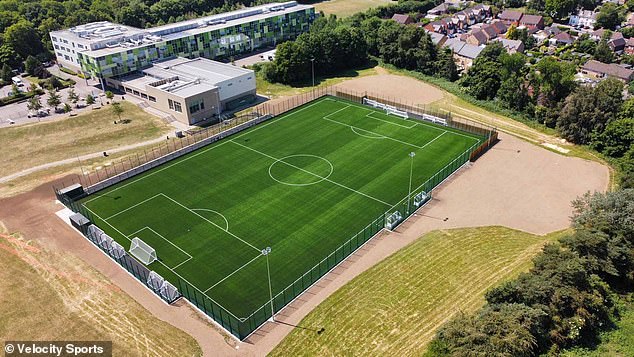
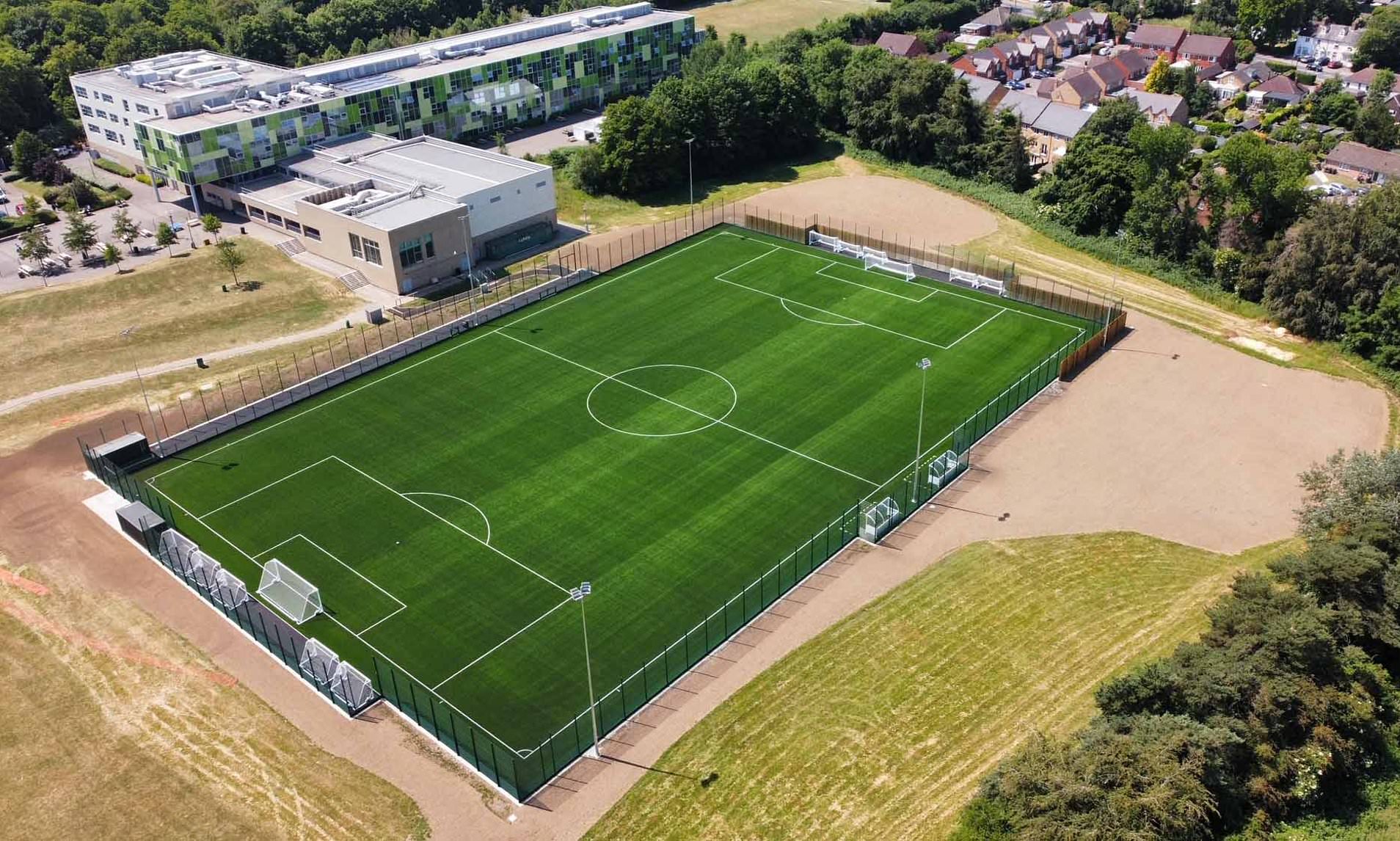
Cornwallis Academy, located near Maidstone in Kent, recently invested £700,000 in a state-of-the-art 3G artificial grass football pitch. This floodlit, FIFA-certified facility was unveiled in June 2023 after receiving approval from Maidstone Borough Council in January 2023. At the time of approval, the council imposed a condition: no whistles would be used during matches held after school hours.
However, shortly after the pitch opened, residents began complaining about noise coming from the grounds. A report was submitted to the council, alleging that the school had failed to enforce the whistle ban. As a result, the council ordered the use of the pitch to stop.
In 2025, the whistle ban was lifted on appeal, despite continued concerns from locals about the impact of the facility on their quality of life. Now, a neighbor who lives just 300 feet away from the 3G pitch has taken legal action, claiming that the school has violated environmental protection laws.
The Future Schools Trust, which operates the academy, has pleaded not guilty to the allegations. The case was heard at Maidstone Magistrates Court earlier this month, and it has been adjourned until October 23, 2026, when it will be heard at Sevenoaks Magistrates’ Court.
Legal Background and Implications
Under section 82 of the Environmental Protection Act 1990, anyone who is affected by a statutory nuisance can bring proceedings to a magistrates’ court. The neighbor claims that the school’s use of the pitch constitutes a noise nuisance, specifically violating the act’s provisions against noise that is “prejudicial to health or a nuisance.”
The school has denied these allegations, stating that it does not believe a noise nuisance exists. It has also emphasized its commitment to engaging with the legal process.
Mason Dadson, a spokesperson for Cornwallis Academy, provided a statement outlining the school’s position. He said:
“A local resident has commenced legal proceedings against the school in relation to an alleged noise nuisance. While it would not be appropriate for the school to comment on the specifics of ongoing court proceedings, it is a matter of public record that the complaint concerns the use of the school’s artificial grass football pitch outside school hours. The school denies the existence of a noise nuisance and is fully engaging with the court process.”
He added that the 3G pitch was installed in 2023 on the school’s playing fields, which previously housed two grass pitches. The project followed a detailed planning process, including input from Sport England, and was approved by the council. The school’s goal, he explained, has always been to provide an all-weather, state-of-the-art pitch for both students and local community youth teams.
Community Impact and Ongoing Debate
The dispute raises important questions about how schools can serve their communities while respecting the rights of nearby residents. The installation of the 3G pitch was intended to support both students and local teams, but the noise complaints have sparked a broader conversation about the balance between public access and environmental considerations.
As the case moves forward, the outcome could set a precedent for similar disputes involving educational institutions and their surrounding neighborhoods. For now, the legal process continues, and the community remains closely watching the developments.