Prostate Cancer Screening Decision Sparks Debate
The recent decision to scale back a mass prostate cancer screening programme has sparked significant debate among health officials, campaigners, and the public. The recommendation, which would limit screening to a small group of men, has been met with strong opposition from those who believe it could lead to avoidable deaths.
Ministers are now considering whether to overrule the decision, with some suggesting that the final say lies with the new Health Secretary, James Murray. Torsten Bell, the pensions minister, emphasized that he would not rule out the possibility of overturning the recommendation, stating that the decision is ultimately up to the Health Secretary after meeting with the chair of the national screening committee.
Bell also shared personal insight, revealing that a member of his family has been diagnosed with prostate cancer. He said the government is taking the issue “very seriously.”
Campaigners Express Disappointment
Campaigners have expressed frustration over the recommendation, calling it a “real step back.” They argue that the decision could condemn thousands of men to an avoidable death, as only a small number of men will be invited for checks. The proposed screening programme would initially target men aged 45-61 with BRCA2 gene mutations and a family history of certain cancers.
This means as few as 3,000 men will be invited for screening, a significant reduction from the draft guidance last year, which suggested testing for 30,000 men. The screening committee stated that expanding the programme could lead to over-diagnosis and over-treatment, which could cause additional health problems.
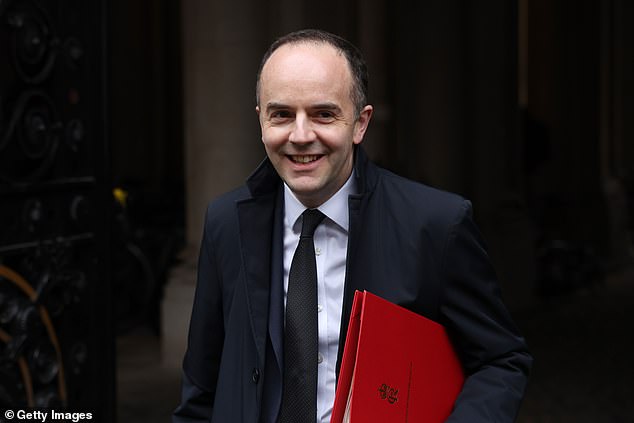
The Daily Mail has been one of the publications advocating for a national screening programme to prevent unnecessary prostate cancer deaths. Bell’s comments have given campaigners hope that Murray may reconsider the recommendation when he meets with the chairman of the UK National Screening Committee next week.
Government Response and Public Outcry
The Department of Health has stated that Murray will give “full and careful consideration” to the recommendation and will update on the government’s response shortly. It had been expected that Murray would follow the committee’s advice but commit to reviewing emerging evidence.
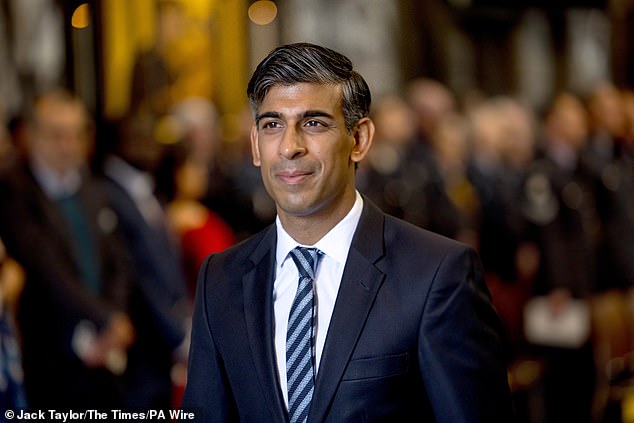
However, following an outcry on Thursday, including from Rishi Sunak, who has campaigned on this issue, Bell suggested the government might reconsider its position. Sunak called the decision “deeply disappointing,” and former prime minister David Cameron, who has been treated for prostate cancer, joined the criticism.
Comedian Sir Stephen Fry and Olympian Sir Chris Hoy, both of whom have battled the disease, also supported calls for a national screening programme.
Evidence Supporting Prostate Screening
Last year, a major study showed that prostate cancer screening can reduce the risk of dying from the disease by 13 per cent. The study found that one death is prevented for every 456 men checked, a figure comparable to existing breast and bowel cancer screening programmes.
This evidence has fueled the argument that a broader screening programme could save lives. As the government weighs its options, the debate over the best approach to prostate cancer screening continues to gain attention.
Next Steps and Potential Outcomes
Murray is scheduled to meet with the chairman of the UK National Screening Committee on Monday to discuss the recommendation. The outcome of this meeting could determine whether the screening programme is expanded or remains limited in scope.
While the current recommendation aims to prevent over-diagnosis and over-treatment, critics argue that the potential benefits of early detection outweigh the risks. The government faces a difficult decision, balancing the need for caution with the desire to protect public health.
As the discussion unfolds, the voices of those affected by prostate cancer continue to shape the conversation, urging policymakers to consider the long-term impact of their decisions.