Ronald LaPread, the former bassist for the funk and soul group Commodores, has passed away at the age of 75. His journey as a musician left an indelible mark on the music industry, particularly during his time with the Commodores from 1970 to 1986. This was a period when the band, led by singer Lionel Richie, achieved massive success with hits such as “Three Times a Lady,” “Easy,” and “Sail On.”
LaPread was not part of the current line-up of the Commodores, which recently withdrew from the Donald Trump-backed Great American State Fair. His passing was announced on social media by his daughter, Soraya LaPread, who is a musician and film producer. She shared the news with a “heavy heart.”
He died in Auckland, New Zealand, where he had been residing since the 1980s. According to the New Zealand Herald, his death followed a “sudden medical event.”
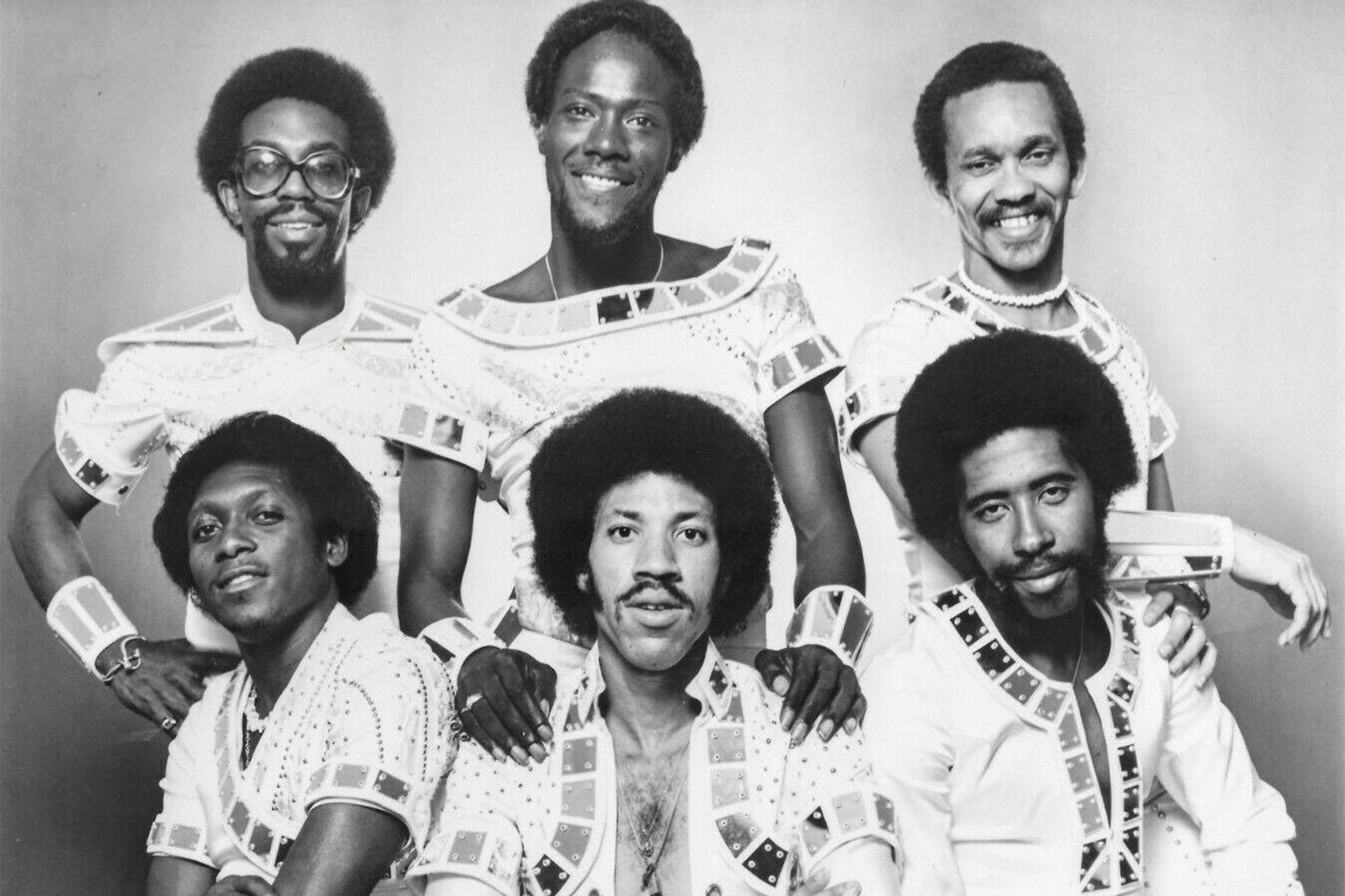

Born on September 4, 1950, in Florida, LaPread grew up in Tuskegee, Alabama. He began his musical journey by singing in church and later learned to play multiple instruments. His involvement in the Civil Rights Movement was significant, and as a young man, he marched alongside Dr. Martin Luther King Jr.
In 1970, LaPread was approached by Lionel Richie and guitarist Thomas McClary to join their emerging band, the Commodores. He became a crucial member of the group’s sound, contributing to their debut album, Machine Gun, released in 1974. LaPread was credited as a writer on the song “Young Girls Are My Weakness.”
On the group’s second album, Caught In The Act (1975), LaPread wrote another track, “Look What You’ve Done to Me,” and contributed “Gimme My Mule” to Movin’ On later that year.
The Commodores reached new heights with their 1976 album Hot on the Tracks, which marked their first number one R&B album. It featured the Richie-LaPread co-write “Funky Dancer.” Their fifth album, Commodores (1977), became their first top five pop album and included the ballad “Easy” and the funk classic “Brick House,” which LaPread co-wrote. The album was dedicated to his wife, Kathy Faye LaPread, who passed away from cancer during its production.
In 1978, the album Natural High produced the hit “Three Times a Lady.” LaPread remained with the band until their eleventh studio album, Nightshift (1985).
After leaving the Commodores the following year, LaPread moved to Auckland, New Zealand, where he raised his daughter and continued to make music.
Legacy and Impact
Ronald LaPread’s contributions to the Commodores and the broader music industry were significant. His work helped shape the sound of a generation and left a lasting legacy. His collaborations with Lionel Richie and other members of the band created some of the most iconic songs in funk and soul history.
Beyond his musical achievements, LaPread’s involvement in the Civil Rights Movement demonstrated his commitment to social justice and equality. His life story reflects a blend of artistic talent and civic responsibility.
Final Years
In his later years, LaPread lived in Auckland, where he found a peaceful environment to raise his family and continue his passion for music. His presence in the community and his dedication to his craft were well-regarded.
His passing marks the end of an era for fans of the Commodores and the music world. As tributes pour in from around the globe, it is clear that Ronald LaPread will be remembered not only for his musical contributions but also for his personal integrity and influence.