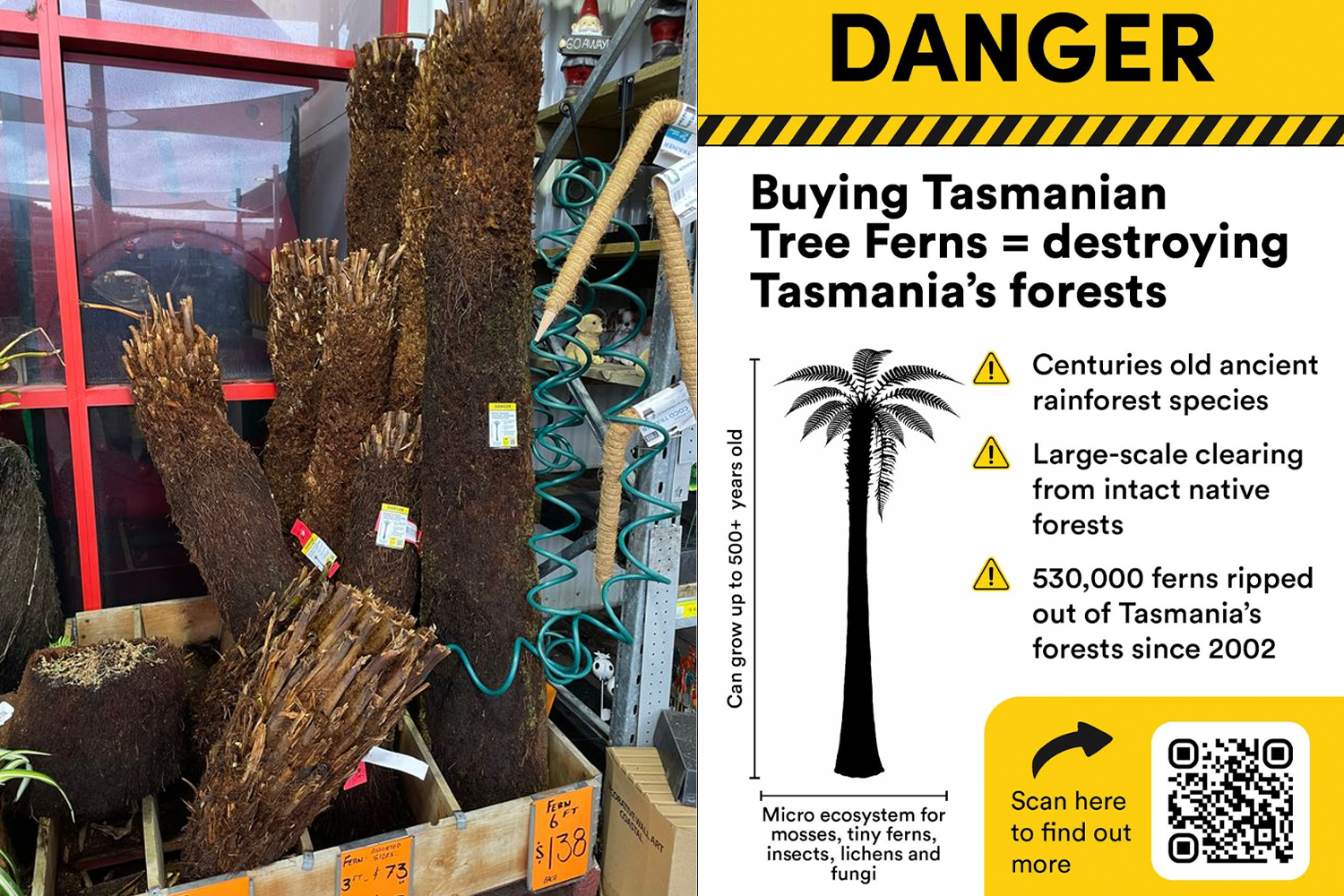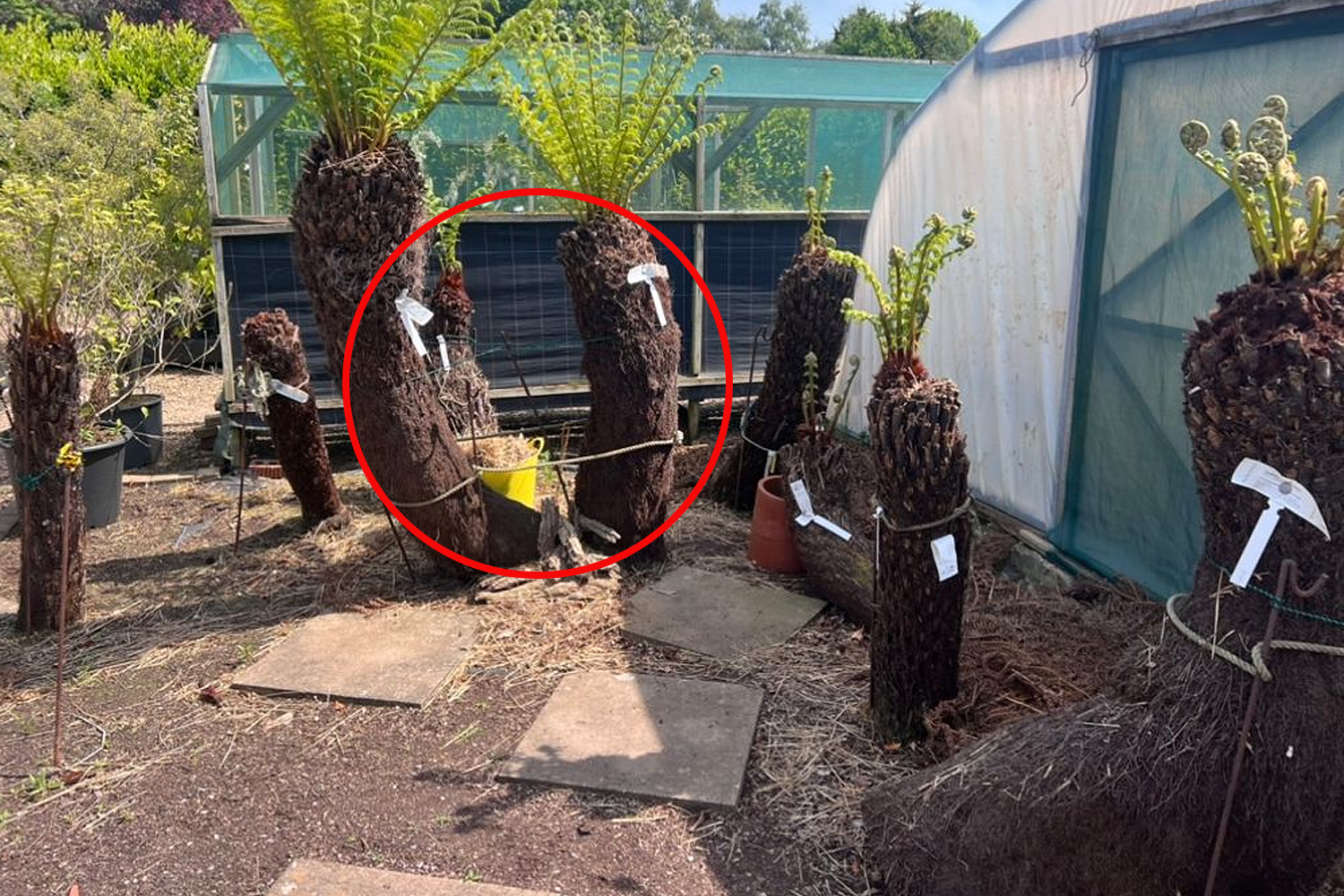
Australians are being encouraged to take part in a growing movement to protect ancient Tasmanian tree ferns, some of which are believed to be over 500 years old. These unique plants have been found being sold as garden products in locations as far away as the UK, sparking concern among environmentalists and conservation groups.
In Tasmania, the harvesting of native forests remains a highly debated issue. There is a deep divide between environmental organisations and the forestry industry regarding the removal and commercial use of native vegetation. The Bob Brown Foundation has raised alarm over the extraction of native tree ferns from wild forests, which are then distributed not only across Australia but also internationally, including through major retail chains.
The foundation argues that this practice is problematic because it involves removing slow-growing, ecologically significant plants from intact forest ecosystems. This could potentially harm biodiversity and contribute to the degradation of these natural environments.
Jenny Weber, the Campaigns Director at the Bob Brown Foundation, urged Australians to make a stand by avoiding the purchase of ferns or fern mulch that come from the ancient native forests of Tasmania. She also encouraged people to join campaigns aimed at securing stronger forest protection measures that would keep these ancient tree ferns in their natural habitats.
How many tree ferns have been removed?
According to the foundation, more than 530,000 tree ferns have been taken from Tasmania’s native forests since 2002. Many of these, they claim, are not grown in plantations but are harvested directly from intact ecosystems, often before logging or burning operations begin.
Supporters of the foundation have documented examples of Tasmanian ferns being sold overseas. Members of the public have sent numerous photos to the organisation, which were shared with Yahoo News Australia. These images show Tasmanian ferns in various regions of the UK, including Bampton, Banstead, Coventry, East Sussex, Durham, Kent, and Lower Dicker, among others.
Tasmania government says fern harvesting is controlled
The Tasmanian Government and its forestry agency, Sustainable Timber Tasmania, maintain that tree fern harvesting is a legal and tightly regulated activity under the state’s forest practices system. They state that harvesting only occurs within approved forest coupes, typically areas scheduled for logging or ecological regeneration.
Officials say the system is designed to ensure that harvesting is controlled and environmentally managed. Operators are required to follow approved forest practices plans, codes of practice, and oversight mechanisms. They also claim that tree ferns are subject to formal traceability requirements, including tagging and documentation that allows products to be traced back to registered harvesting sites within Tasmania’s native forest estate.
Campaign to stop Tasmania’s ferns being sold
Australians who want to get involved can request a sticker pack to place on tree ferns, helping other shoppers understand where these “ancient forest relics” originate. The foundation encourages people to report any sightings of tree ferns for sale at hardware stores, nurseries, garden centres, or landscape supply yards.
This initiative is part of a broader campaign highlighting what the organisation describes as an unregulated or poorly understood supply chain for wild-harvested trees.
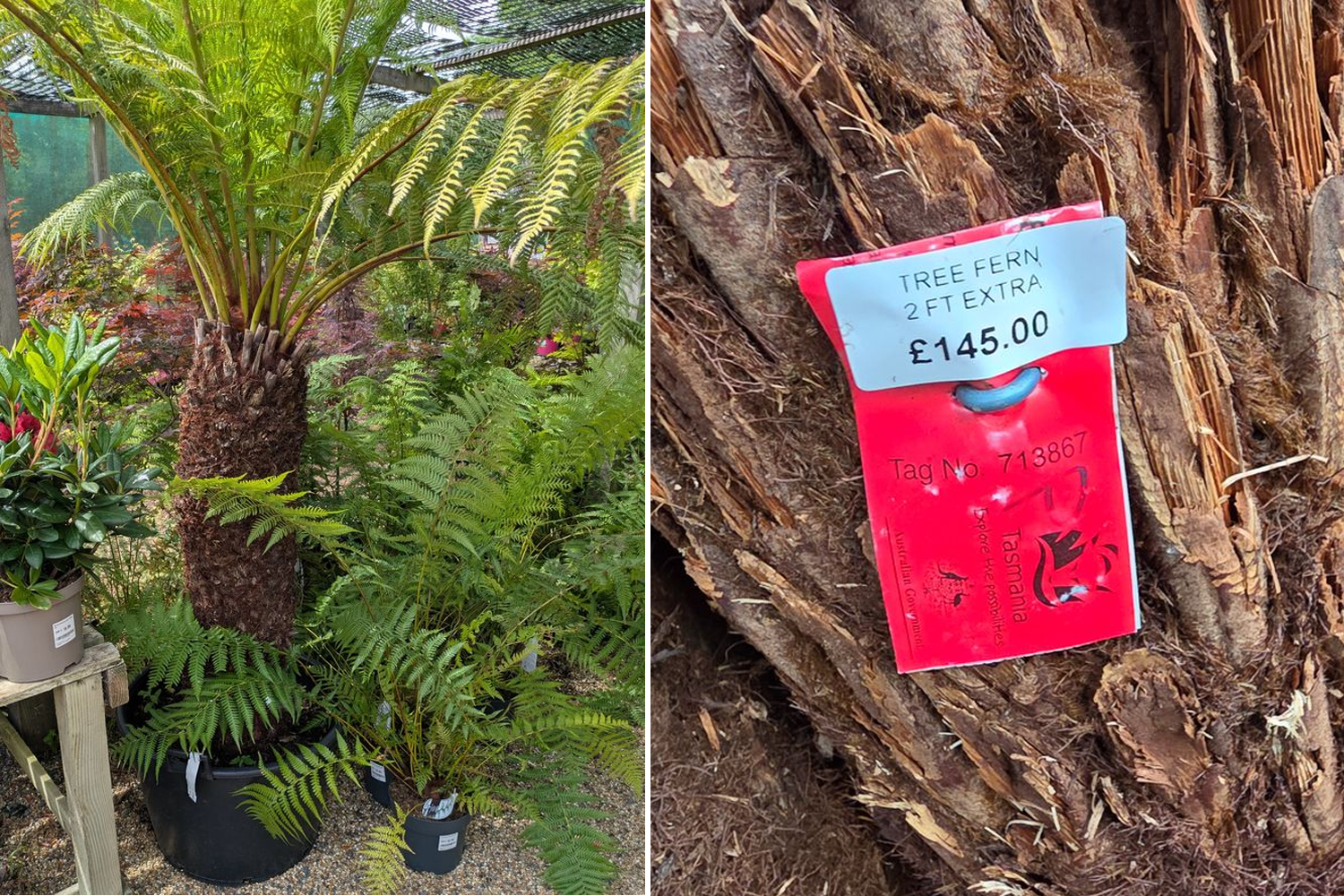
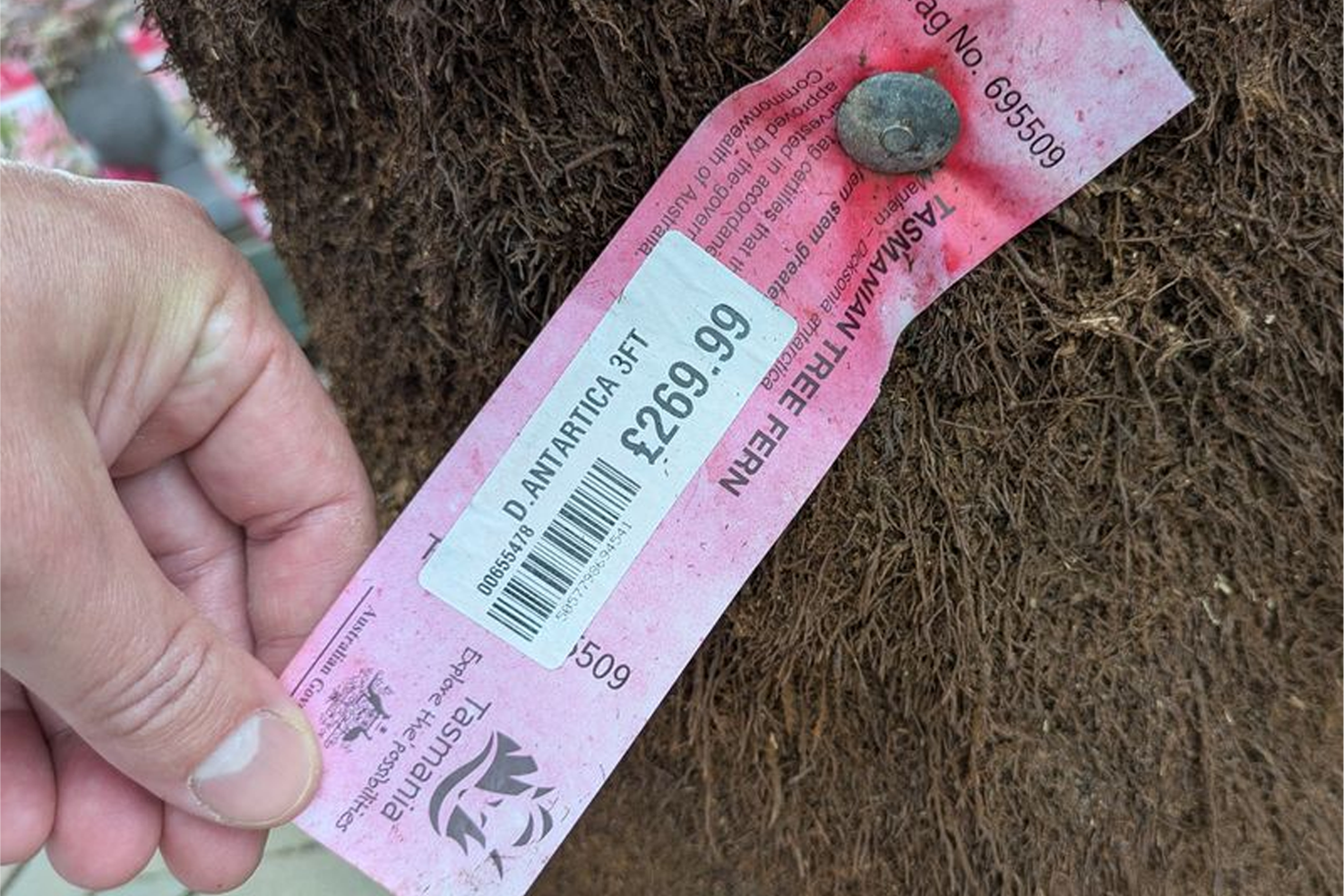
Case studies published by the foundation claim to trace tree ferns back to specific logging coupes across Tasmania’s native forests, including sites in the Florentine Valley, Russell River, Pruana, and Wentworth Hills. Individual coupes are reported to span tens of hectares and account for thousands of harvested ferns in each instance.
The foundation states that these examples represent only a small portion of the wider industry. They argue that full reporting on the total number of harvested ferns is not transparently published, with estimates often based on forest practices plans rather than final tallies.