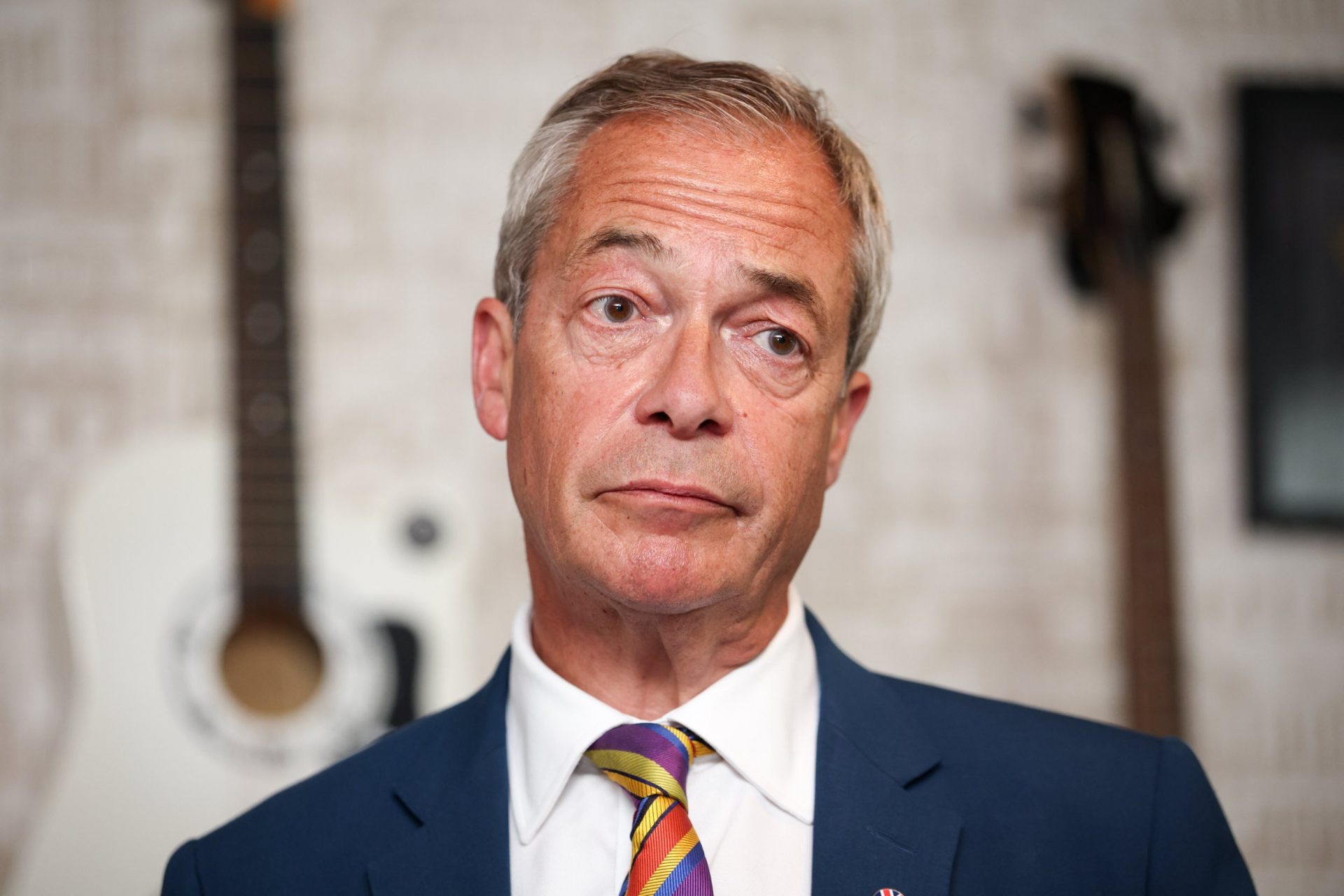
Reform UK’s Proposed Benefit Cuts and Their Implications
Reform UK has made a bold promise to implement the “biggest cuts to the benefits bill ever seen,” raising concerns about what a government led by Nigel Farage might mean for millions of benefit claimants. The party has consistently focused on reducing welfare spending, tightening eligibility rules, and overhauling disability benefits, arguing that the current system is too costly and discourages work.
Currently, over 24 million people in the UK are claiming some combination of Department for Work and Pensions (DWP) benefits, including pensioners, those on health-related support, and in-work claimants. This year, the government is forecast to spend around £330 billion on the social security and welfare system, which is roughly equivalent to the total income tax collected.
In April, Farage announced that Reform UK would introduce “the biggest cuts to the benefits bill ever seen in this country.” At the same press conference, the party’s Treasury spokesperson, Robert Jenrick, claimed they had identified £40 billion in savings. However, disability campaigners have expressed concerns about the lack of clarity on some of the details.
Benefit Cuts for Foreign Nationals and Immigrants
Reform UK has outlined plans to cut benefits for foreign nationals, including those with EU settled status. They propose ending the right to claim welfare after a three-month notice period, which could save up to £10 billion a year on universal credit alone. The Brexit withdrawal deal, signed under Boris Johnson, allowed EU citizens living in the UK before the end of 2020 to retain their rights to claim benefits, including universal credit.
Data from last summer shows that this group made up around 1 in 10 of all universal credit claimants. Reform UK says it would end this practice and eventually stop those with settled status from claiming benefits as well. They also plan to increase the immigration health surcharge, which currently stands at £1,035.
Anand Menon, a professor of European politics at King’s College London, argues that the EU would likely respond forcefully to any UK move to withdraw rights from EU citizens. In his view, such actions could prompt Brussels to suspend parts of the withdrawal agreement and the trade and co-operation agreement.
Changes to Personal Independence Payments (PIP)
Reform UK has also proposed ending personal independence payments (PIP) for those with non-serious anxiety cases, moving them onto a fast-track to work programme. They also plan to mandate face-to-face assessments for the benefit. PIP is designed to help people with long-term physical or mental health conditions or disabilities with their living costs, with payments up to £194.60 per week.
Some PIP claimants can also use the Motability scheme, which allows them to exchange mobility allowances for a car. Labour has already made cuts to the scheme, including removing some types of cars. Reform UK plans to downscale the scheme, making only “non-luxury vehicles” available and exclusively for those who actually need them.
Ian Greaves from Disability Rights UK criticized the introduction of face-to-face assessments, calling them unnecessary. He argued that most medical information relevant to someone’s claim can be obtained from the NHS.
Reinstating the Two-Child Limit
Reform UK plans to reinstate the two-child limit for universal credit, which it claims would save £3 billion by 2029-30. The two-child limit restricts UC and child tax credit payments to the first two children in a household. Labour repealed the policy this year, allowing families to claim for all children.
Reform UK has had varying policies on this issue. Last year, Farage said scrapping the cap was “not a silver bullet,” but now the party appears to want to reinstate it for all families. Ian Greaves warned that the reintroduction of the two-child cap would be a disaster for many families, especially those in work.
Uncertainty Concerning Charities
Campaigners are also concerned about other potential changes to benefits that could be made to fund Reform UK’s tax-cutting agenda. The party has promised to cut taxes, including scrapping VAT on energy bills. Experts believe this could require spending cuts.
Greaves noted that since Reform UK has promised to maintain the triple lock on pensions, the cuts will have to come from working-age claimants. Una Summerson from Contact highlighted the lack of detailed policy information beyond the announcements made so far.
Could Reform UK Row Back?
There is disagreement among political experts and campaigners about whether Reform UK might reconsider some of its policies if it comes to power. Stephen Barber, a professor of global affairs, is skeptical about the sincerity of some of the party’s proposals, calling them more populist than serious policy.
Others argue that the welfare system urgently needs reform as spending on health and disability-related benefits continues to rise sharply. Joe Shalam from the Centre for Social Justice believes the public is ready for bold action, citing frustration over welfare spending and immigration. He suggested that restoring the principles of universal credit and making work pay could save billions and improve lives.