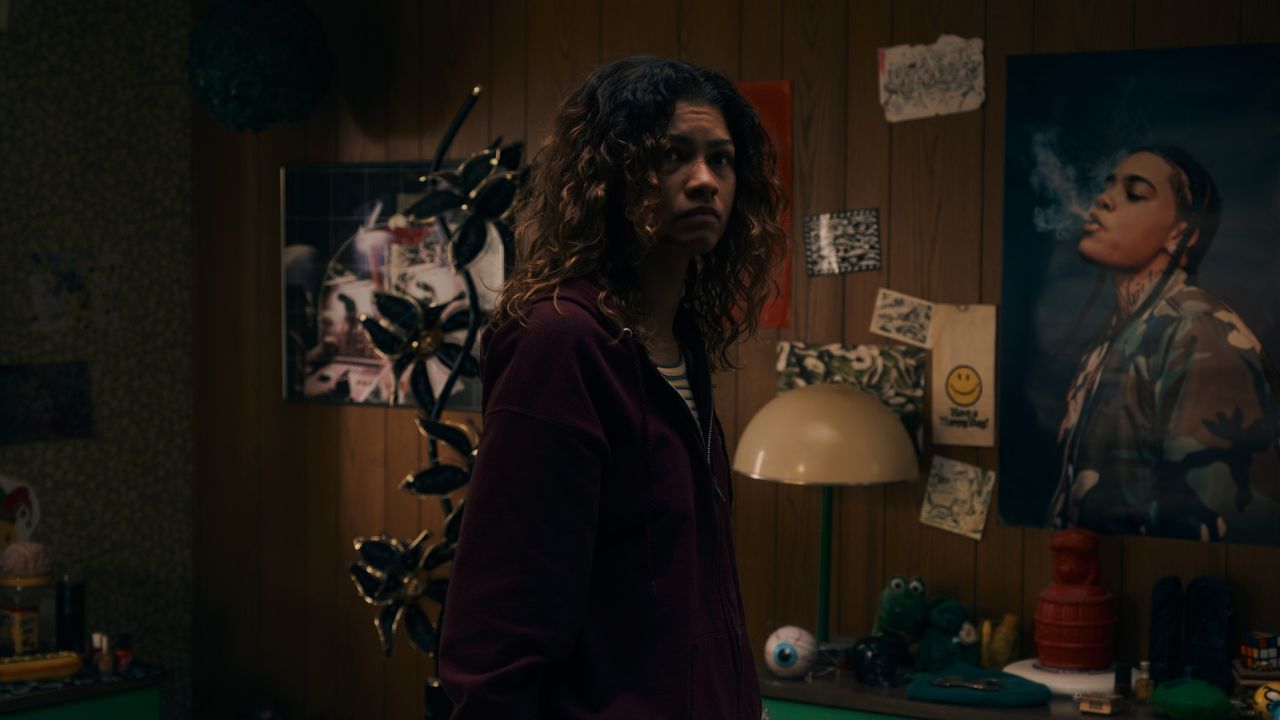
The Origins of Euphoria: A Hidden Story
HBO’s Euphoria has become a cultural phenomenon, capturing the attention of audiences around the world with its intense portrayal of teenage life, addiction, and emotional struggles. However, many fans are unaware that the show’s roots trace back to a 2012 Israeli teen drama of the same name. This lesser-known origin story adds a new layer to the series, revealing how the American adaptation was influenced by a completely different language, culture, and television landscape.
Since its debut in 2019, Euphoria has drawn viewers into the lives of characters like Rue Bennett, Nate Jacobs, Cassie Howard, and Jules Vaughn. These characters have become iconic, representing the complex emotions and challenges faced by teenagers navigating the modern world. The show’s neon-lit visuals, Labrinth’s haunting score, and Sam Levinson’s distinct storytelling have made it one of the most talked-about series on television.
Yet, beneath the surface of this American adaptation lies a fascinating history that many viewers may not be aware of. The original Euphoria, created by Ron Leshem for Israeli network Hot 3, ran for ten episodes and tackled similar themes such as substance abuse, mental health, and the emotional chaos of adolescence. While the American version shares the same core DNA, the stories and characters are significantly different.
In the Israeli version, Rue’s counterpart is Hofit, a teenager whose addiction stems from overwhelming guilt tied to the murder of Ra’anan. This storyline is inspired by the real-life tragedy of 18-year-old Ra’anan Levy in 2004. Other familiar archetypes appear in altered forms, showing how the show evolved across cultures.
The Final Chapter of Euphoria
The timing of renewed interest in Euphoria‘s Israeli origins is especially fitting because the HBO series is now writing its own ending. After years of speculation, production delays, and cast departures, HBO has officially confirmed that Season 3 will be the show’s final chapter. This announcement came alongside one of the most shocking developments in the series’ history—a finale that fundamentally reshapes how audiences will remember Rue’s journey.
According to creator Sam Levinson, Rue’s story concludes with her death from an overdose after taking Percocet pills laced with fentanyl. For longtime viewers who spent years hoping Rue could finally escape the cycle that haunted her from the pilot episode onward, the ending lands with devastating weight. Levinson explained that he originally envisioned a different path for the character, but the death of Angus Cloud in 2023 forced him to reconsider the realities of addiction in modern America.
In many ways, this ending brings Euphoria full circle. From its first episode, and its inspiration, the series never promised easy victories. It presented addiction as a relentless force and showed how grief, loneliness, and self-destruction ripple through entire communities.
The Legacy of Euphoria
As Euphoria comes to a close, it leaves behind a legacy of powerful storytelling and emotional depth. The show has sparked conversations about mental health, addiction, and the challenges of growing up. Its impact extends beyond the screen, influencing how audiences perceive and discuss these issues in real life.
The revelation that Euphoria was adapted from an Israeli series adds another dimension to its story. It highlights the global nature of storytelling and how ideas can transcend borders to create something new and meaningful.
As fans reflect on the series, they may find themselves wondering about the connections between the original and the adaptation. Whether it’s the themes, the characters, or the emotional journeys, Euphoria continues to resonate with audiences around the world.