A Major Step Forward in Prostate Cancer Screening
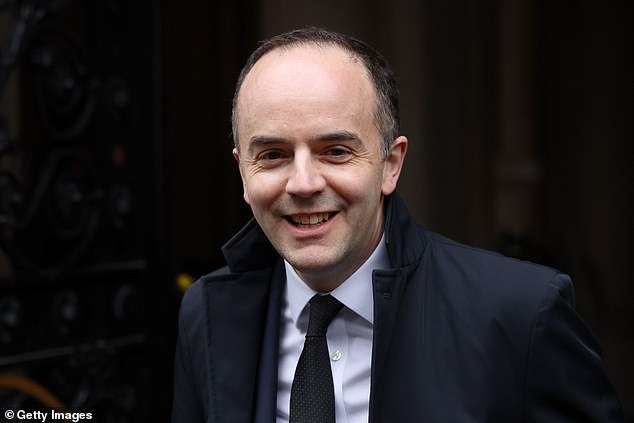
In a significant development, all Black men in the UK will now be invited to join a prostate cancer screening trial. This marks a major step towards the wider rollout of life-saving checks for this high-risk group. The decision comes after health secretary James Murray accepted a recommendation from his advisors to restrict access to a national screening programme to just a few thousand people. However, he has committed to expanding a landmark trial so that all Black men aged 45 to 74 who have not had a PSA test or MRI prostate scan in the past five years can take part.
The Transform trial is investigating different ways to detect prostate cancer earlier. Researchers are already aiming to ensure that one in ten invited to participate are Black. If the results find a more reliable way of detecting tumours that require treatment, advisors could recommend expanding eligibility for screening to a wider group of men.
Prostate Cancer in the UK
Prostate cancer is the most common cancer in the UK, with 63,000 cases and 12,000 deaths each year. Unlike breast, bowel, and lung cancer, there is currently no national screening programme for prostate cancer. The Daily Mail is among those campaigning to end needless prostate cancer deaths and for a national screening programme, initially targeted at high-risk men, such as those who are Black, have a family history of the disease, or specific genetic mutations.
The UK National Screening Committee sparked outrage last week when it told ministers only men with a rare genetic mutation and a family history of some cancers should be included. Campaigners said the decision risked thousands of men being “condemned to an avoidable death” and described it as a “profound disappointment” as they called on Mr Murray to overrule his advisors.
Narrowing the Scope of Screening
The screening committee issued draft guidance in November, which said testing should only be offered to around 30,000 men aged 45 to 61 with BRCA1 or BRCA2 gene mutations, which increase the risk of an aggressive form of the disease. This meant that Black men—who run twice the risk of developing prostate cancer and of dying from it—and those with a family history would have been excluded.
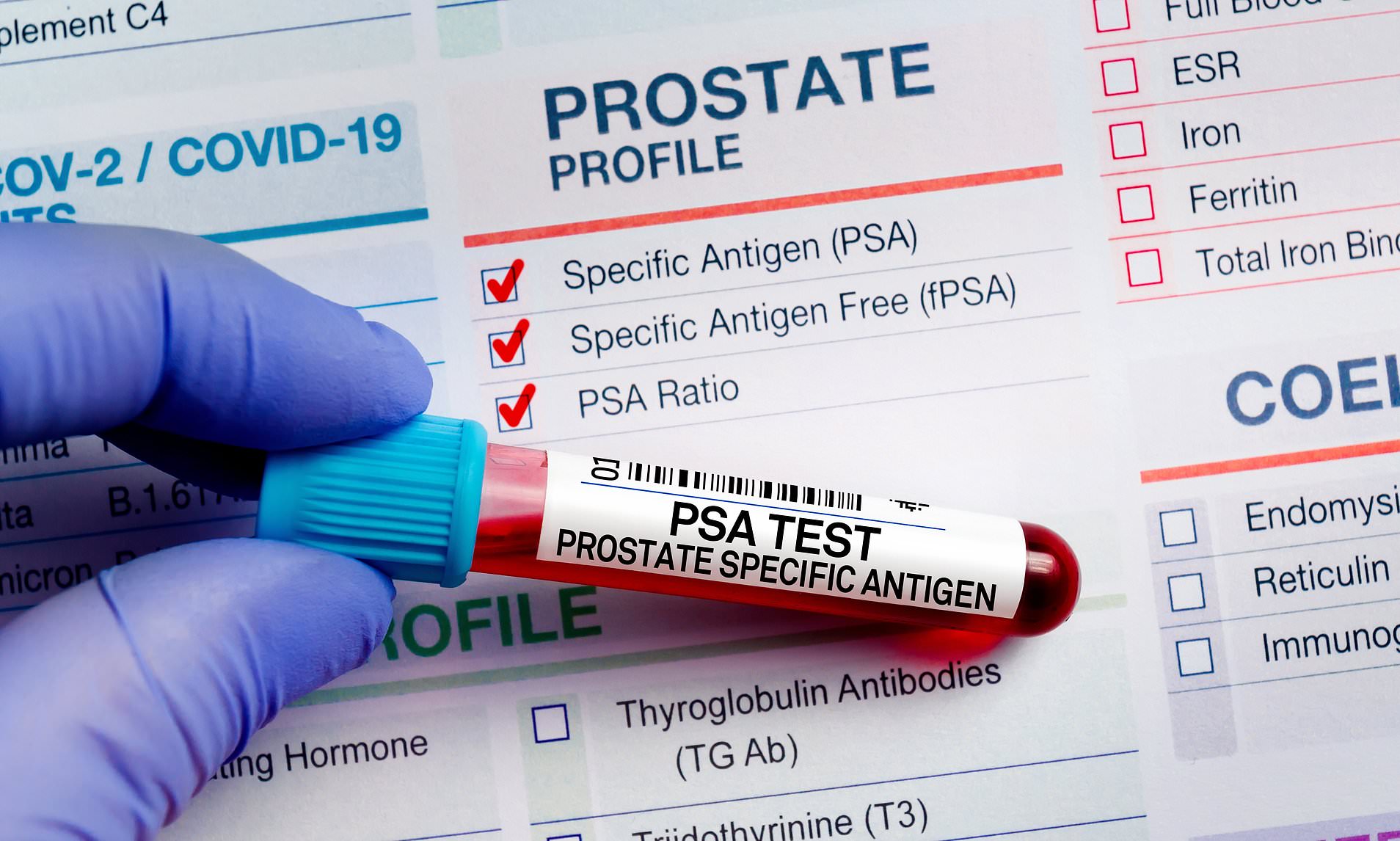
Now the committee’s final recommendation, published last week and accepted by Mr Murray today, says only men aged 45 to 61 who have particular BRCA2 variants combined with a family history of breast, ovarian, pancreatic, or prostate cancer should qualify for screening outside of the trial. It means as few as 3,000 will be invited for screening, which will involve having a blood test every two years to check for a marker of potential prostate cancer known as PSA.
The committee said widening screening at this stage could lead to over-diagnosis and over-treatment. Ministers have told the committee to keep their recommendation under review as new evidence emerges.
Expanding Access and Investment
The Department of Health and Social Care said an extra £18 million will be invested in the Transform trial and it will broaden access to focal therapies. These are less invasive treatments that target prostate cancer, giving men greater choice about their options when they receive a new diagnosis.
Meanwhile, GPs and the public will be given updated guidance on PSA blood tests, and patients can still request these from their family doctors outside of a screening programme.
David James, director of patient projects and influencing at the charity Prostate Cancer Research, said: “This is a deeply disappointing moment for men and families across the country who know first-hand the devastating impact of prostate cancer.”
A New Era for Prostate Cancer Research
The changes make the now £60 million Transform trial the largest prostate cancer screening trial in 20 years and the most diverse and representative of the UK population ever undertaken. Invitations to thousands of Black men are already being sent as part of stage one of Transform, but the extra investment will increase the number sent out as part of the second stage, starting in the next few years.
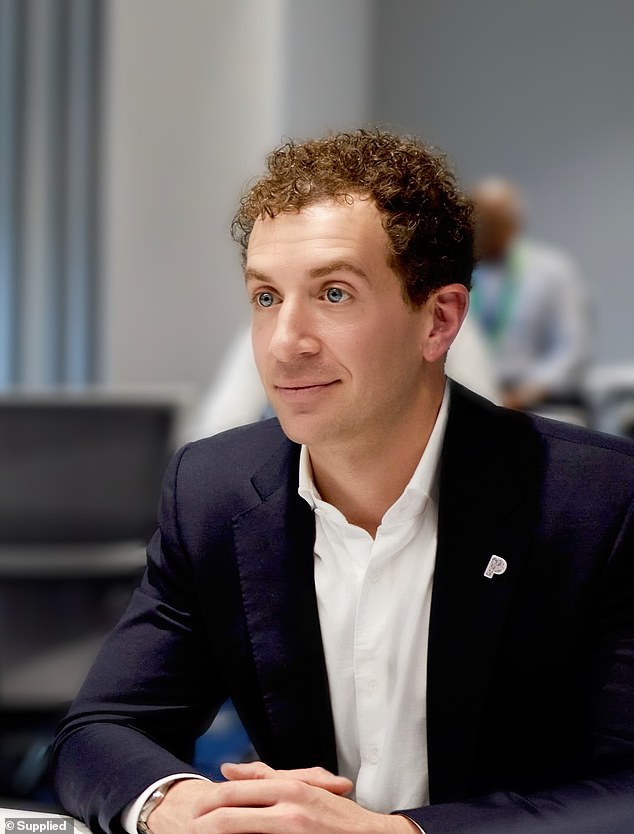
Professor Hashim Ahmed, chief investigator of the Transform trial and professor of urology at Imperial College London, said the extra funding and expansion of the trial will “give all men at risk of prostate cancer a better chance of early diagnosis in future.”
Laura Kerby, chief executive at Prostate Cancer UK, said: “After so much disappointment, this announcement is a truly historic moment, bringing us a step closer to a world where no man dies from prostate cancer.”
Mr Murray said: “This is a major step forward in how we tackle prostate cancer—focusing on those most at risk, improving the treatments available, and backing the research we need to close the evidence gaps and save lives.”