Mexico City: A Vibrant Host for the 2026 FIFA World Cup
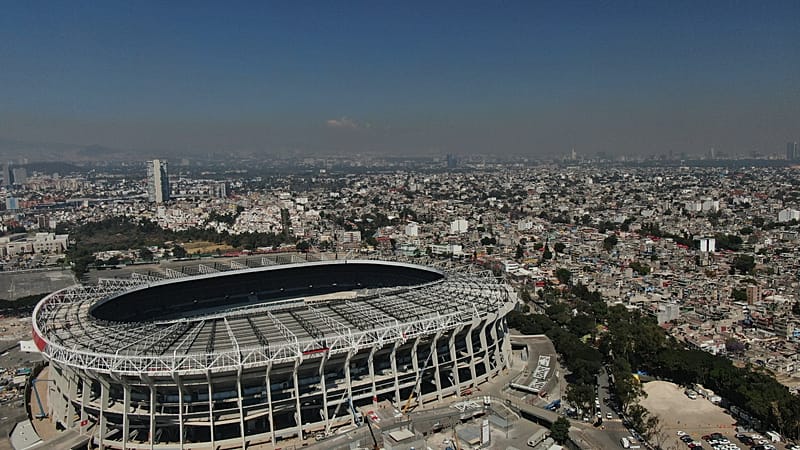
Mexico City is set to be one of the most exciting locations during the 2026 FIFA World Cup, hosting five matches at the iconic Estadio Azteca. As the most populous city in North America, it offers a unique blend of ancient history, modern culture, and world-class sports events. Whether you’re exploring the city’s rich heritage or enjoying its dynamic atmosphere, the energy of the World Cup will undoubtedly enhance your experience.
However, there are several factors to consider when planning a visit. The city has a metropolitan area of approximately 23.1 million people, which can lead to heavy traffic, especially during rush hours near the Azteca stadium. Additionally, pollution levels may pose challenges for fans with respiratory conditions. It’s also important to note that the city sits at an altitude of over 7,300 feet (2,240 metres), which may require some time to acclimatise for visitors arriving from lower elevations.
World Cup Fixtures in Mexico City
Mexico City will play a central role in the 2026 World Cup, with the Estadio Azteca set to host five matches. This venue will make history by becoming the first stadium to host three World Cup opening matches. The tournament will kick off on 11 June, with Mexico facing South Africa, followed by additional games throughout the competition.
Here is the schedule for the matches hosted in Mexico City:
- 11 June – Group A: Mexico vs South Africa
- 17 June – Group K: Uzbekistan vs Colombia
- 24 June – Group A: Mexico vs Czechia
- 30 June: Round of 32
- 5 July: Round of 16
The stadium is expected to welcome over 80,000 spectators for the opening match, making it a must-attend event for football fans.
A City with a Rich Sporting Legacy
Mexico City has long been a hub for major sporting events. It hosted the 1968 Summer Olympics, known for groundbreaking athletic performances and the iconic high jump final. The city also staged the FIFA World Cups in 1970 and 1986, with the Azteca stadium hosting the finals won by Brazil and Argentina respectively.
Football remains the dominant sport in the city, with clubs such as Club América, Cruz Azul, and Pumas UNAM drawing large crowds. Beyond football, Mexico City hosts events like the Formula 1 Mexico City Grand Prix, major baseball and basketball tournaments, and even NFL games, solidifying its status as one of Latin America’s top sports destinations.
Must-See Attractions in Mexico City
For those looking to explore the city beyond the stadiums, there are numerous cultural and historical landmarks to visit:
- Zócalo: One of the largest city squares in the world, spanning 14 acres (5.5 hectares). Surrounded by the Metropolitan Cathedral and the National Palace, it has been a gathering place for centuries.
- Chapultepec Park: A massive green space covering nearly 2,000 acres (800 hectares), larger than New York’s Central Park. It features museums, a zoo, and beautiful lakes, perfect for leisurely walks.
- Teotihuacan: Located just outside the city, this ancient Mesoamerican site is home to the Pyramid of the Sun and the Pyramid of the Moon. A must-visit for history enthusiasts.
A Culinary Paradise
Mexico City is renowned for its vibrant food scene, offering everything from traditional street food to high-end dining. Street tacos and local stalls provide authentic flavours throughout the city, while neighbourhoods like Roma and Condesa are home to Michelin-starred restaurants. Whether you’re craving tamales, empanadas, or fresh fruit, the city’s culinary diversity is sure to impress.
Fan Zones and Public Viewing Areas
To accommodate fans, Mexico City will have 18 public venues where World Cup matches will be broadcast free of charge. These spaces will feature cultural and sporting activities, with no alcohol sales. Seven of these venues will operate throughout the 39-day tournament, showing all 104 matches, while the remaining 11 will focus on games featuring the Mexican national team and other highlights.
Transportation Tips for Visitors
Getting to the Estadio Azteca is best done via public transportation. The Metro Line 2 takes you to Taxqueña station, where you can switch to the light rail to reach Estadio Azteca station. Alternatively, take Metro Line 3 to Universidad station and then an electric bus to the stadium. Park-and-ride options are available at designated venues.
Stadium Insights
Although the stadium has undergone renovations for the World Cup, some issues remain. Internet connectivity is still intermittent, and cash payments are no longer accepted, so visitors should plan accordingly. Additionally, the Santa Ursula neighbourhood, which borders the stadium, is not considered safe. Even with increased police presence during matches, it’s advisable to avoid walking in that area.