The Largest World Cup Ever and the Public Health Challenges Ahead
The largest World Cup ever is putting public health systems on alert, though experts say the risk of Ebola remains low because it is not as transmissible as other diseases. Officials and experts are more concerned about highly contagious diseases like measles and respiratory viruses, which can spread quickly through large, fast-moving crowds.
U.S. cities are scaling up surveillance, hospital coordination and monitoring systems to detect and respond to potential outbreaks during the tournament. As athletes and millions of fans gear up for the FIFA World Cup starting next week, global health officials are preparing for a high-stakes challenge of their own: protecting against infectious diseases.
For the first time, the tournament will span 16 host cities across three countries — the United States, Canada and Mexico — and feature 48 teams, making it the largest World Cup in history. The event also comes amid an Ebola outbreak in Congo and Uganda that the World Health Organization has designated a “public health emergency of international concern.”
Despite those worries, the risk of widespread Ebola transmission during the tournament is low, infectious disease experts told. Public health departments, hospitals and other partners are also well equipped to respond to a range of potential threats — even after sweeping cuts to critical federal agencies and the U.S. exiting from the WHO under the Trump administration.
“Ebola and hantavirus, I worry about a lot less,” Dr. Shruti Gohil, the associate medical director for University of California, Irvine Health Epidemiology and Infection Prevention, said in an interview. “The overall likelihood of risk is not nonzero, but it’s low, very low, because it is not easy to transmit person to person.”
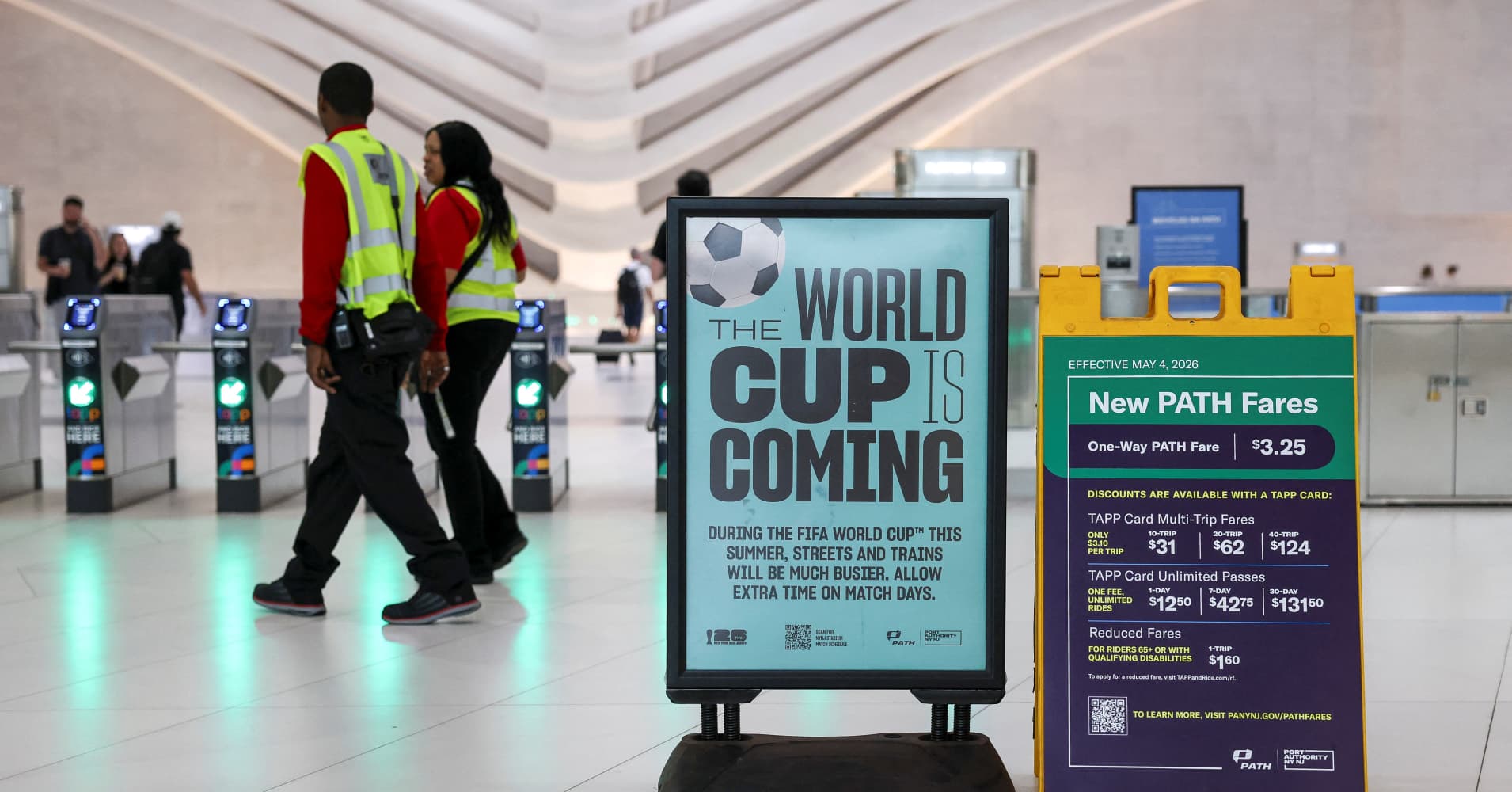
Instead, experts say more contagious threats could pose greater challenges during the tournament and other large events this summer, particularly because international visitors could move through multiple venues and cities in a matter of days. Those threats include measles — one of the world’s most contagious diseases — as well as respiratory viruses such as Covid-19 and influenza. The concern comes after the U.S. recorded its highest number of measles cases in decades last year, driven in part by growing vaccine hesitancy and declining immunization rates.
Some experts also pointed to arboviruses spread by infected insects, such as dengue, while others highlighted heat-related and foodborne illnesses as notable risks beyond infectious diseases.
Preparing for the World Cup has involved scaling up existing programs, such as wastewater monitoring, and adding new tools to track infectious disease threats. Those systems will face their first major test when the tournament kicks off on June 11, but public health officials say they are ready to take on the challenge.
“Public health prides itself in being the invisible shield, but I don’t want that to get lost in the actual Herculean effort it takes to have an operational invisible shield, so that people can enjoy events like the World Cup and feel safe and secure in their public health when they’re here,” said Dr. Theresa Tran, director for the Houston Health Department.
“That’s a system that I’m extraordinarily proud about … we are absolutely working so hard every single day in preparation for things like this,” said Tran, who is overseeing the response in a host city.
Ebola Risk Is Low Despite Current Outbreak
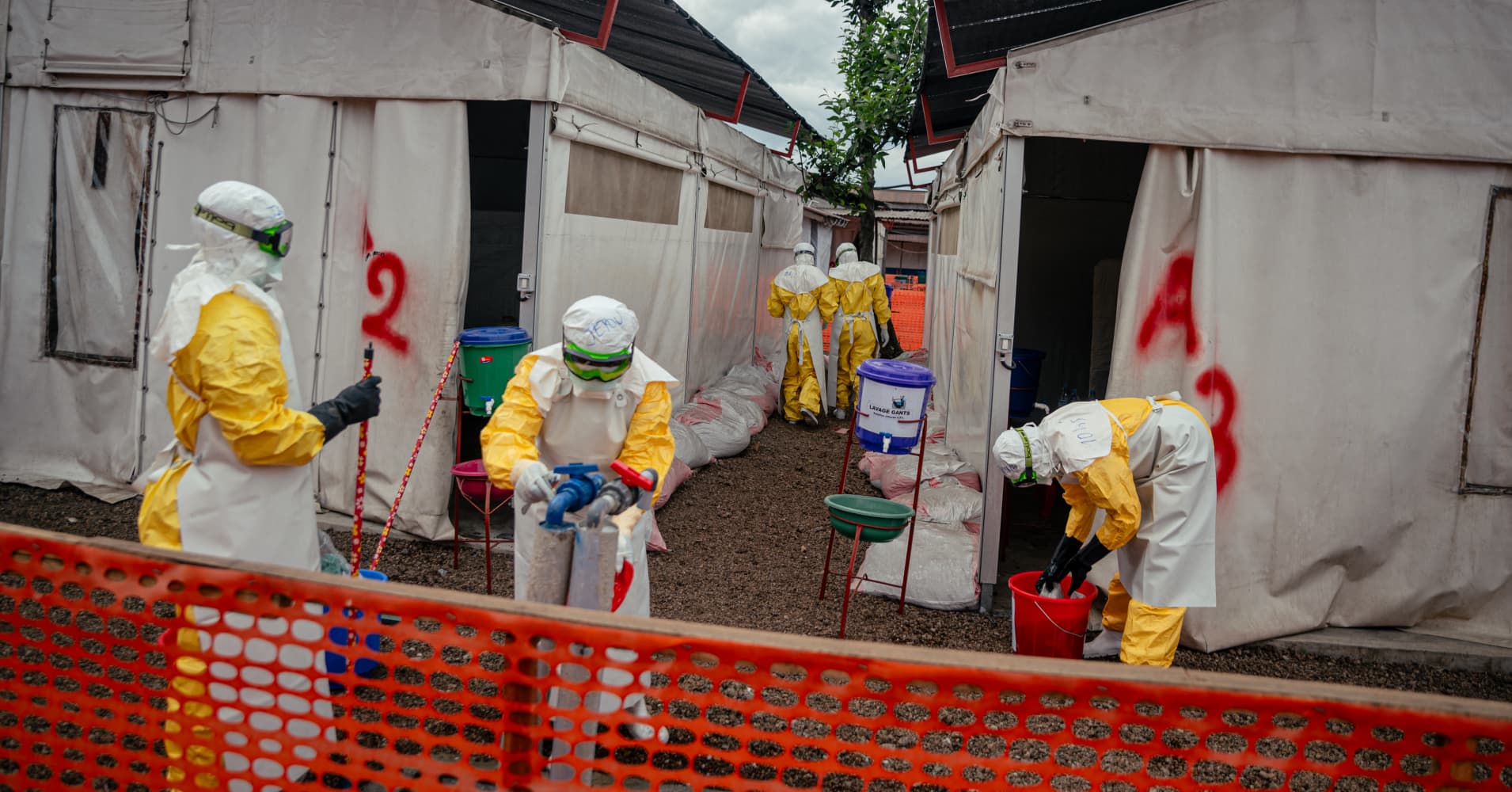
Ebola does not spread as easily as Covid and other respiratory diseases, making it less of a threat during the World Cup despite the growing outbreak, experts said. Global health authorities have confirmed more than 260 cases and are investigating 1,100 more possible infections in Congo and Uganda, according to the WHO. The current strain of Ebola, the Bundibugyo virus, is an often fatal form of the disease with no approved treatment or vaccine.
But there were no cases of Ebola in the U.S. as of Wednesday. Virus transmission requires direct, close contact with the bodily fluids or blood of someone who is already showing symptoms, said Dr. Amesh Adalja, adjunct assistant professor at the Johns Hopkins Bloomberg School of Public Health, in an interview. Patients with Ebola are “going to be very sick” and will likely stay at home or in the hospital rather than attend large events with other people, he added.
“It’s not a respiratory virus; it’s not something that thrives in crowds that don’t have exposure to blood and body fluids, so I don’t think that it poses an objective threat to the World Cup,” Adalja said.
Still, federal and local public health officials are gearing up to respond to Ebola risks. The Centers for Disease Control and Prevention has implemented enhanced entry measures for travelers from countries linked to the outbreak. Anyone arriving in the U.S. after spending time in Congo, Uganda or South Sudan within the previous 21 days is required to enter through designated airports in Atlanta, Houston, New York or the Washington area, where they will undergo public health screening.
During those screenings, CDC staff will survey individuals about their travel history and symptoms, check their temperatures and collect contact information for follow-ups by state and local public authorities if needed, the agency’s website says. Individuals are also monitored for Ebola’s full incubation period of 21 days, not only the day they arrive in the U.S., UCI’s Gohil said.