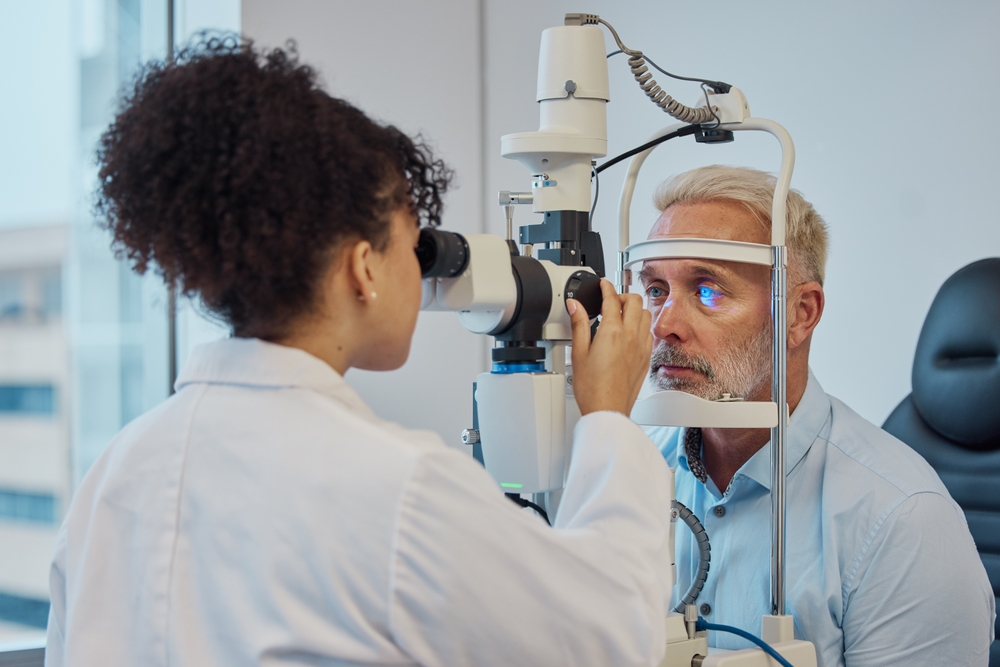
Revolutionising Dementia Diagnosis: A Glimpse Through the Eye
Dementia, a condition affecting an ever-increasing number of individuals, presents a significant global health challenge. Diseases like Alzheimer’s, for instance, can silently progress for years, even decades, before the first noticeable symptoms emerge. This long preclinical phase underscores the urgent need for earlier diagnostic tools. Worldwide, researchers are diligently pursuing innovative methods to achieve this, but the path to developing new medical solutions is fraught with hurdles. The healthcare industry’s stringent documentation requirements and rigorous approval processes mean that even the most promising technologies face a lengthy journey before they can be deployed to help patients.
A Novel Approach: From Stars to the Human Eye
Enter Thyra Imaging, an Austrian start-up that is pioneering a remarkable new technology originally conceived for a vastly different purpose: astronomical telescopes. In the realm of space exploration, this advanced technology is instrumental in capturing incredibly sharp images of distant celestial bodies. Thyra Imaging’s innovation lies in adapting this sophisticated system to meticulously image the human retina. The goal is to achieve unparalleled detail, allowing for the detection of subtle changes within the retinal tissue that might otherwise go unnoticed.
Once these high-resolution retinal images are captured, they are subjected to analysis by artificial intelligence. This AI-powered approach is designed to identify minuscule alterations in the tissue, alterations that could serve as early indicators of neurodegenerative diseases. The company is currently focused on refining its equipment, working to make it more compact and user-friendly. The ultimate aim is to see this technology adopted not only in dedicated research centres but, crucially, within clinical healthcare settings, making early diagnosis more accessible.
The Eye: A Revealing Window to the Brain
The scientific community increasingly recognises the eye’s potential as a vital diagnostic tool. Emerging research indicates that certain brain diseases manifest detectable changes within the retina. This has led researchers to aptly describe the eye as a “window to the brain,” offering a non-invasive pathway to glean insights into neurological health.
Thyra Imaging’s ambitious project aims to develop a rapid scanning process capable of detecting cellular changes associated with dementia and other neurological disorders in mere seconds. If this technology proves successful, it could revolutionise the diagnostic landscape. It holds the promise of identifying these debilitating diseases many years before the onset of any clinical symptoms, offering a critical window for intervention, management, and potentially slowing disease progression.
The Promise of Early Detection
The implications of such early detection are profound. For individuals and their families, it means the opportunity to:
- Plan for the future: Understanding a diagnosis earlier allows for better financial and care planning.
- Access support services sooner: Early intervention can connect patients with crucial support networks and therapies.
- Participate in clinical trials: Early identification can open doors to participating in cutting-edge research and experimental treatments.
- Potentially slow disease progression: While cures for many neurodegenerative diseases remain elusive, early management strategies can sometimes help to mitigate symptoms and slow the decline.
The journey from astronomical observation to a revolutionary diagnostic tool highlights the power of interdisciplinary innovation. Thyra Imaging’s work represents a significant step forward in the ongoing battle against dementia and other neurological conditions, offering a beacon of hope for earlier detection and improved patient outcomes.