The VAT Effect: Thousands of Students Squeezed Out of Private Schools, Forcing Families to Seek Overseas Education
The recent introduction of Value Added Tax (VAT) on private school fees has sent shockwaves through the UK’s education system, forcing thousands of families to withdraw their children from independent schools. The increased financial burden has created a significant strain, pushing many parents to desperately seek alternative educational pathways for their children. However, this exodus from the private sector has, in turn, led to severe oversubscription in the most sought-after state schools, forcing some families into drastic and unexpected measures, including international relocation for schooling.
A Growing Crisis in School Placements
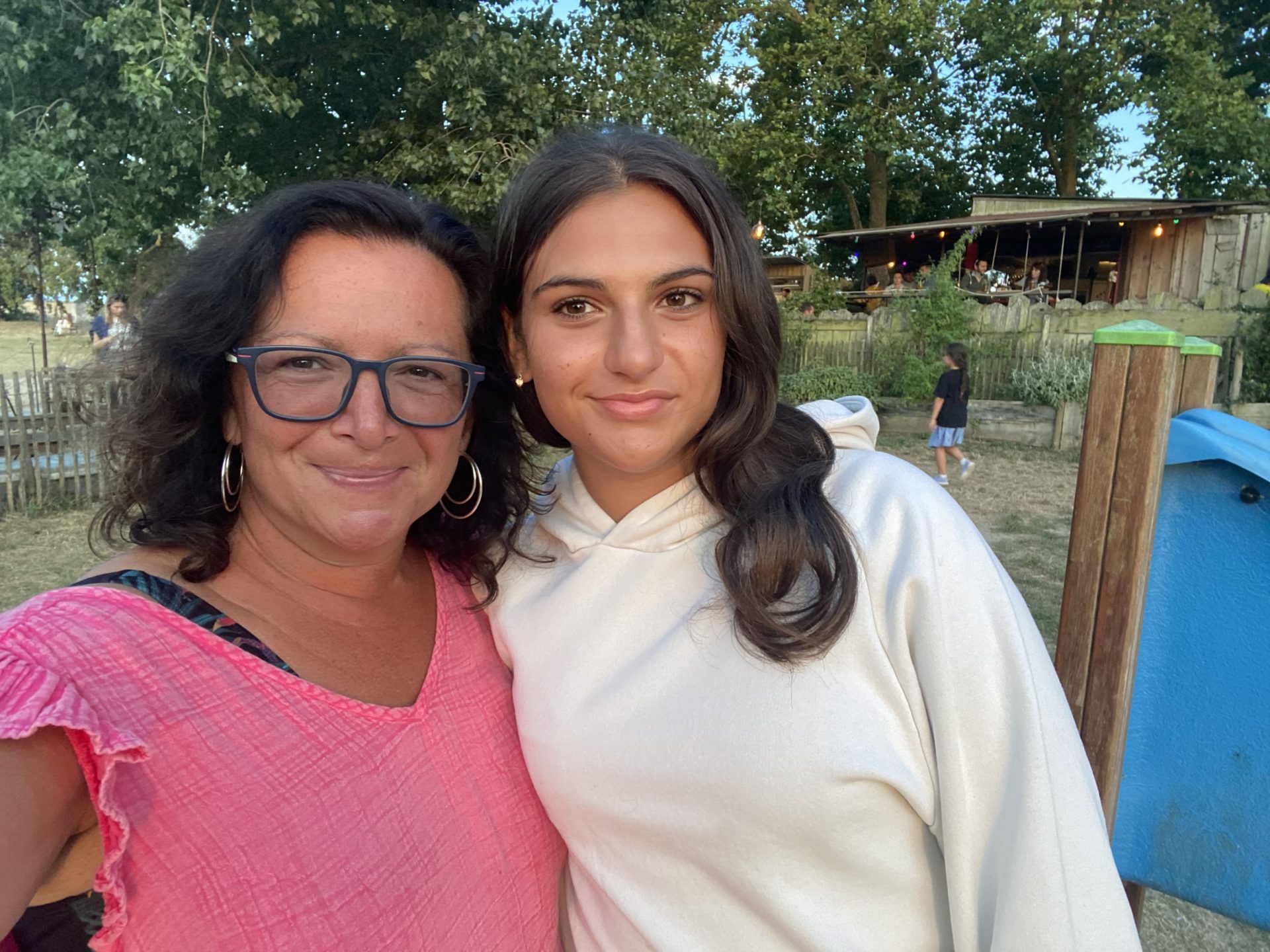
One such parent grappling with this new reality is Michelle Daniells, a 57-year-old single mother. She recounted the immense pressure to find a suitable state school place for her daughter, Amelie, 16, after being unable to afford the escalating fees at her daughter’s current independent grammar school.
“We couldn’t find a suitable state school place where I live,” Michelle explained. “There is a real pressure point in capacity in the state sector.” This scarcity of places has left many, including Amelie, on lengthy waiting lists. For Amelie, the closest state school option that has her name on a waiting list involves a gruelling two-hour and 25-minute commute each way, requiring a combination of bus and train travel.
The school Michelle had initially hoped Amelie would attend is now “hugely oversubscribed.” With no confirmed sixth-form place secured by July, the family made the difficult decision to pursue an international education for Amelie.
An Unexpected Chapter in France
Fortunately, Amelie holds a French passport through her father, Michelle’s former partner. This has opened the door for her to continue her studies in a French state school near La Rochelle. While Amelie is not yet fluent in French, she is currently undertaking French GCSE and possesses a good accent. She will, however, need an additional year to fully catch up to her peers.
“Her dad and grandma live in France and we’ve found someone she can stay with during the week as they live remotely,” Michelle shared. “She can go to her dad’s house at the weekend.”
Amelie has been a pupil at her current independent grammar school since Year 7. Prior to this, both she and her older brother attended a state primary school. Michelle only began considering private education for her son when he was in Year 5, noting his specific needs.
“He was in year 5 and I thought I’d better start looking at senior school options,” Michelle said. “He has his own quirks and needs and had struggled in the later years of primary school. He wouldn’t have coped with the larger class sizes.”
Unable to afford to relocate to more affluent areas with better-resourced state schools, Michelle explored other avenues. A friend’s suggestion to investigate independent schools and potential bursaries proved fruitful.
Bursaries and Sacrifices: The Cost of Private Education
Both of Michelle’s children were awarded 50 per cent bursaries for their schooling, supplemented by a small 3 per cent academic scholarship. Michelle states that both children have thrived in this environment, with Amelie excelling in netball and her son pursuing athletics. Her son is now studying politics and international relations at university, a significant achievement as the first in their family to attend higher education.
Despite the undeniable benefits her children have experienced, Michelle can no longer sustain the £24,600 annual fees for Amelie’s sixth-form education, even with the substantial bursary. This financial strain has necessitated significant personal sacrifices.
“I’ve made big sacrifices to send her and her brother to grammar school; the biggest one was that I couldn’t afford a repayment mortgage,” Michelle admitted. “I’m on an interest-only mortgage and I don’t know when I will pay it off.” The family resides in a modest three-bedroom terrace home, which Michelle describes as far from extravagant. “It’s not palatial, it’s not a £1m plus home. The house is a mess, there’s still woodchip wallpaper in some of the rooms,” she added.
While she is proud of the decision to provide her children with this educational opportunity, she expressed a strong desire for the state sector to offer comparable standards. “Am I glad I did it? Yes. Would I prefer not to have to pay for it? Yes. I would love it if state schools had this.”
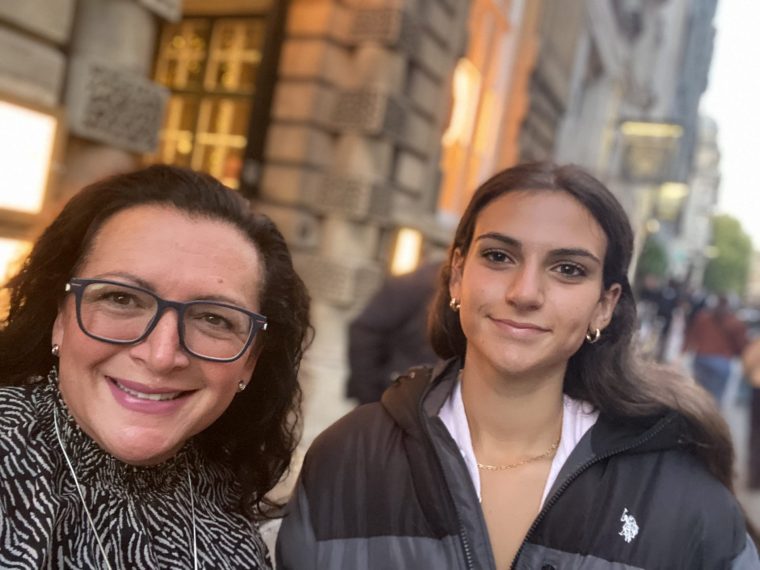
Michelle’s own educational background involved attending a comprehensive school, with no prior experience of the private sector. Her parents faced significant financial challenges throughout her childhood, with her father working as a taxi driver and her mother juggling multiple jobs alongside her teaching qualifications.
“My father was unemployed a lot – he worked as a taxi driver for a bit and my mother qualified as a teacher but worked lots of jobs, including stacking supermarket shelves,” she recalled. “I tried to stay on at the sixth-form but, financially, things were so difficult, I had to go to work. I dropped out of my A-levels and worked from the age of 16.”
After a varied career in retail, office roles, and catering, Michelle pursued further education at night school for three years, ultimately earning a chartered institute of marketing qualification. She then established her own business, mentoring aspiring entrepreneurs, before founding the Association for Families of Independent Schooling (Afis), where she now dedicates her full-time efforts. “I’ve given up my life to do this and give back,” she stated.
The Broader Impact and Government Response
Afis plays a crucial role in monitoring the ramifications of VAT and other tax increases on both the independent and state school sectors. Members of Afis are reporting a discernible increase in competition for places within the state sector, characterised by oversubscription, extended waiting lists, and growing uncertainty, particularly concerning transitions into sixth-form education.
In contrast, the Department for Education maintains that there is “no capacity pressure” for school places for post-GCSE age groups. However, it has acknowledged that its post-16 place-planning estimates are not centrally calculated.
Indicating the scale of the shift, a Freedom of Information request submitted to Farnborough College, a sixth-form college in Surrey, revealed a 22 per cent surge in applications from students who had previously attended independent schools following the introduction of VAT.
“It seems the Government introduced major fiscal and education policy changes that were bound to have a huge impact upon hundreds of thousands of children, without establishing a coherent framework for tracking displacement, admissions pressures and wider educational disruption,” Michelle commented.
While relocating to France was not the ideal scenario Michelle envisioned for Amelie’s education, she is determined to focus on the positives. “It’s partly down to her grammar school that she can do this – she is independently minded enough and confident enough.”