Mitsubishi Unveils Eclipse Sportback EV: A Nissan Leaf Twin with an Uncertain Australian Future
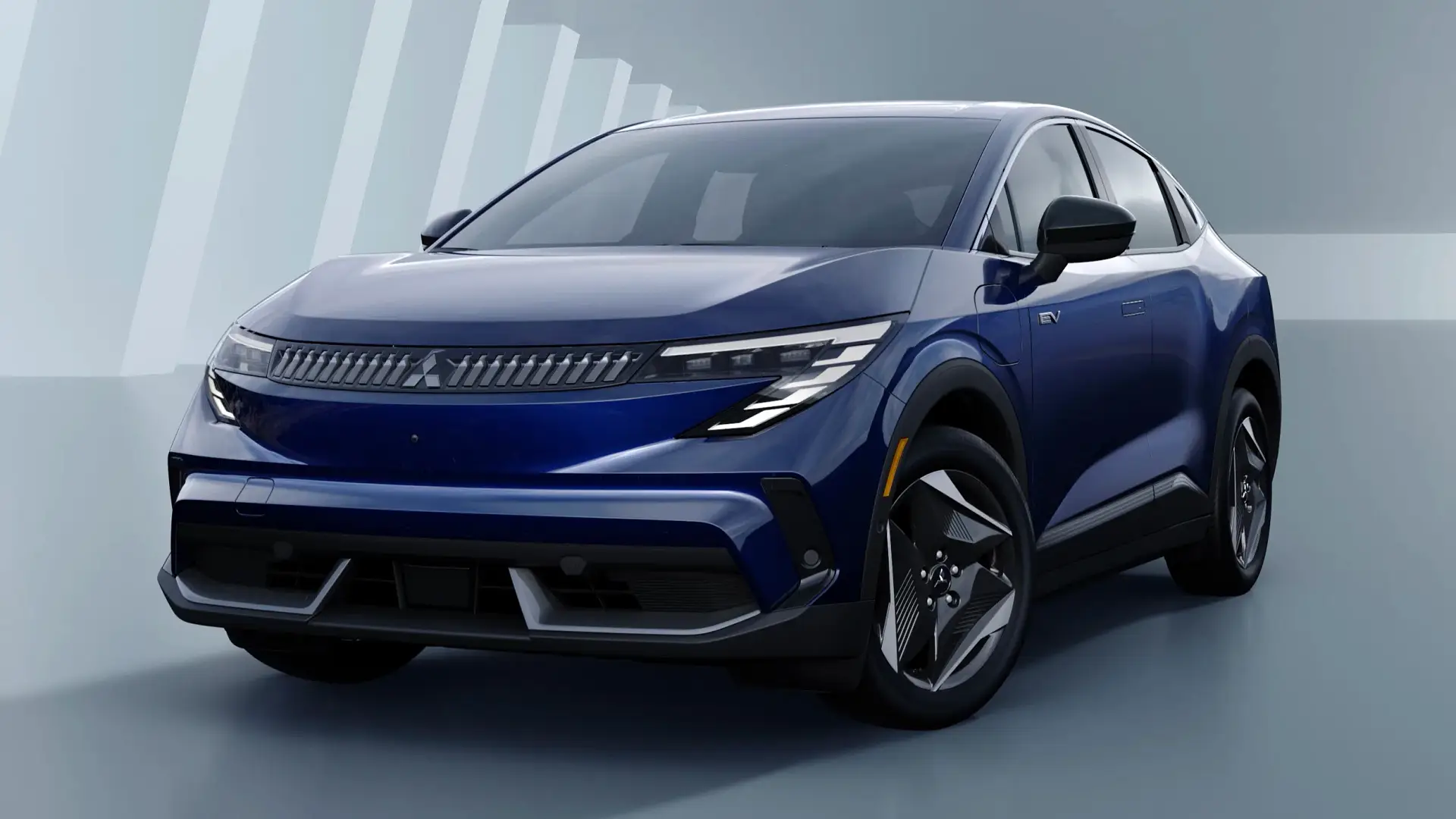
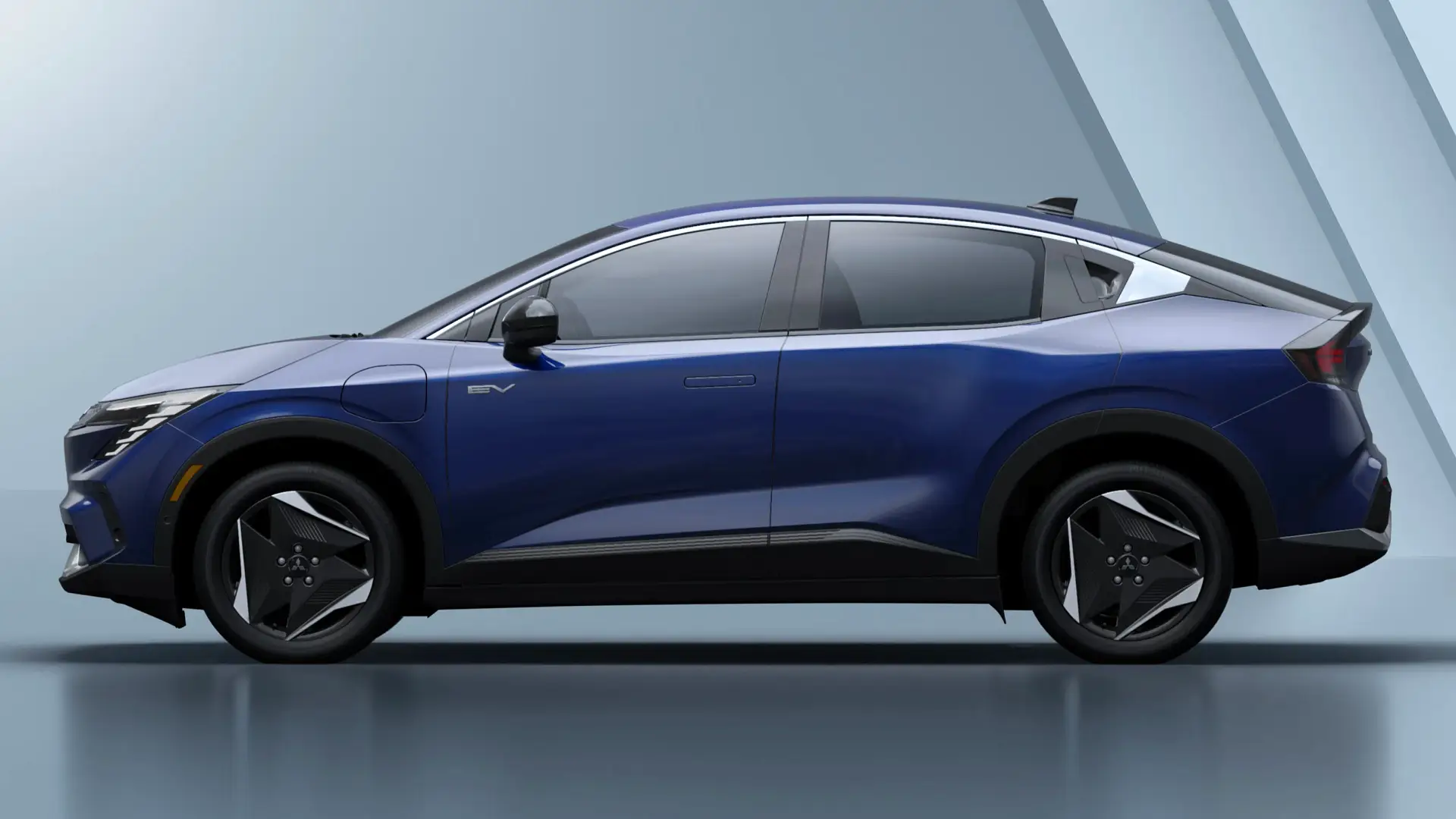
Mitsubishi has once again dipped into its alliance partners’ product bins, this time rebadging a Nissan Leaf as the new Eclipse Sportback. Set to launch in North America later this year, this all-electric offering marks the third vehicle in a decade to bear the “Eclipse” moniker, a name previously associated with a popular coupe discontinued in 2012. While the Eclipse Sportback is slated for the United States and Canada, its arrival in Australia remains a significant question mark.
The 2027 Mitsubishi Eclipse Sportback is intrinsically linked to the Nissan Leaf, sharing its underlying architecture. This collaboration is a testament to the strength and flexibility of the Renault-Nissan-Mitsubishi Alliance, which leverages shared technologies and platforms to accelerate product development across global markets. A spokesperson for Mitsubishi Motors Australia highlighted this collaborative spirit, stating, “As members of the Renault-Nissan-Mitsubishi Alliance, we collaborate with our partners on a range of technologies, including powertrain and vehicle platform. The new Eclipse Sportback EV, a project specific to North America, is another example of the Alliance’s strength and agility in global markets.”
However, the local prospects for the Eclipse Sportback are complicated by several factors. Firstly, the Nissan Leaf, the car it’s based on, has been put on indefinite hold for the Australian market. This decision has cast a shadow over the potential for its Mitsubishi twin to reach local showrooms. Furthermore, Mitsubishi Australia has its own plans for an electric small SUV, which is slated for introduction by the end of this year. This locally-focused model will be sourced from Taiwanese electronics manufacturer Foxtron, the same company behind the production of iPhones.
A History of Rebadging and Alliance Synergy
This isn’t the first time Mitsubishi has adopted a sibling model from its alliance partners. The Eclipse name itself has seen a revival in recent years, albeit with different powertrains and for different markets. The petrol or hybrid Eclipse Cross was available in Australia until last year, while a European-market electric Eclipse Cross is currently a rebadged Renault Scenic E-Tech.
The Eclipse Sportback’s potential inclusion in the Australian lineup was previously discussed by Bruce Hampel, Mitsubishi Australia’s general manager of product strategy, in late 2025. He acknowledged that the Foxtron-sourced SUV “doesn’t put [the Leaf twin] out of consideration for us – that product is one that is under consideration as well.” The key determinant for its Australian availability hinges on whether a right-hand-drive version will be manufactured and how it would complement the existing vehicle portfolio.
The global automotive landscape has seen an increasing number of badge-engineered vehicles emerge since Nissan acquired a substantial 34% stake in Mitsubishi Motors in 2016. This strategic partnership has fostered a dynamic of shared platforms and models. Notable examples include the Mitsubishi Outlander PHEV being sold in the US as the Nissan Rogue Plug-In Hybrid, and the latest Nissan Navara ute sharing its underpinnings with the Mitsubishi Triton in Australia. While some models, like the Mitsubishi Outlander and Nissan X-Trail, exhibit shared DNA, they also feature more distinct styling and engineering.
Design Nuances and Interior Expectations
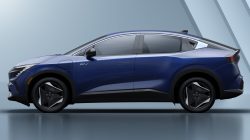
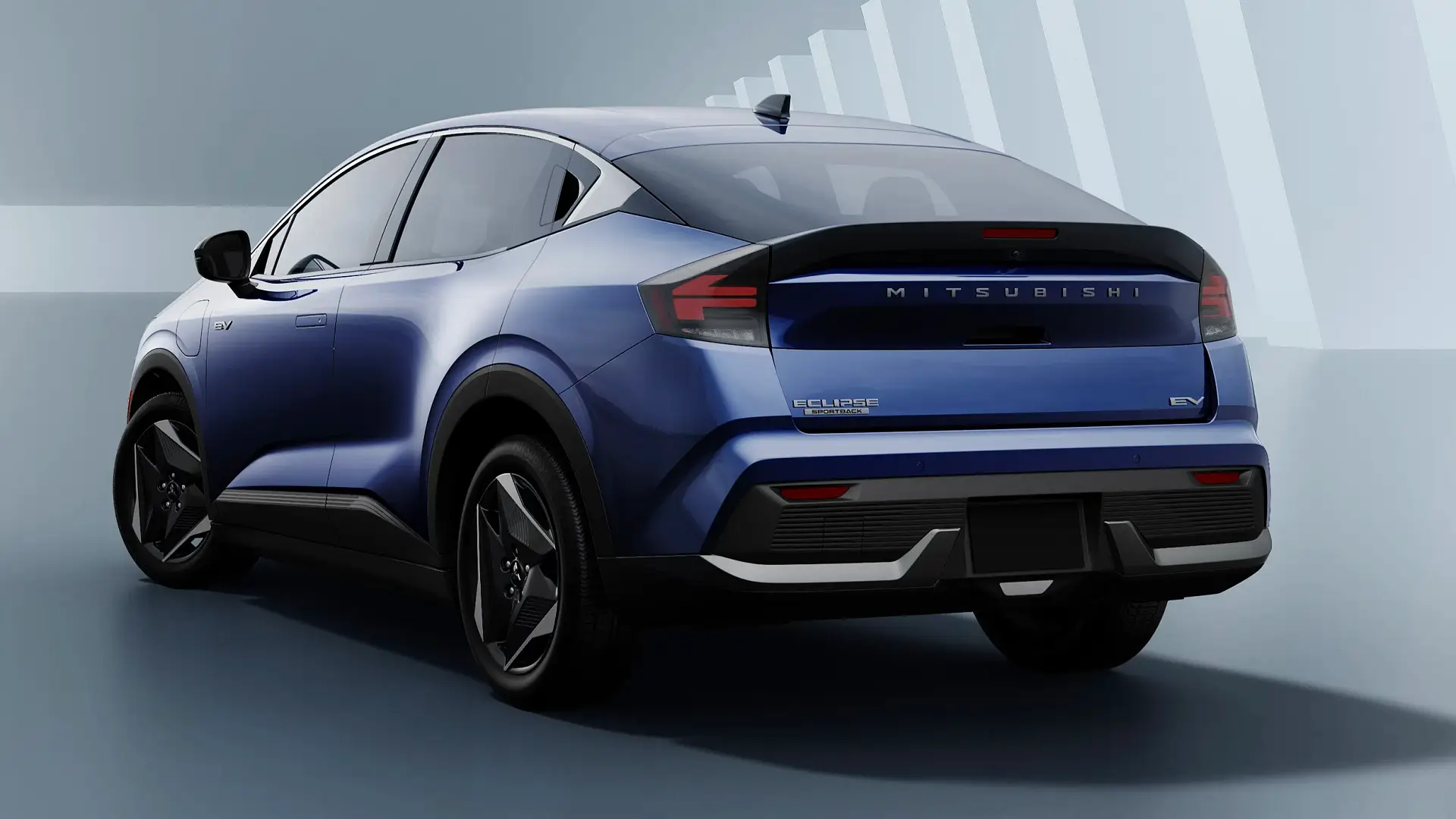
While the core of the Eclipse Sportback is rooted in the Nissan Leaf, Mitsubishi has applied its own design touches to differentiate the vehicle. These modifications include revised front and rear bumpers, unique internal designs for the headlights and tail-lights, and a reconfigured tailgate. Notably, the internal tail-lights found on the Leaf have been removed from the Mitsubishi version. New alloy wheel designs are also part of the package, aiming to give the Eclipse Sportback a distinct visual identity.
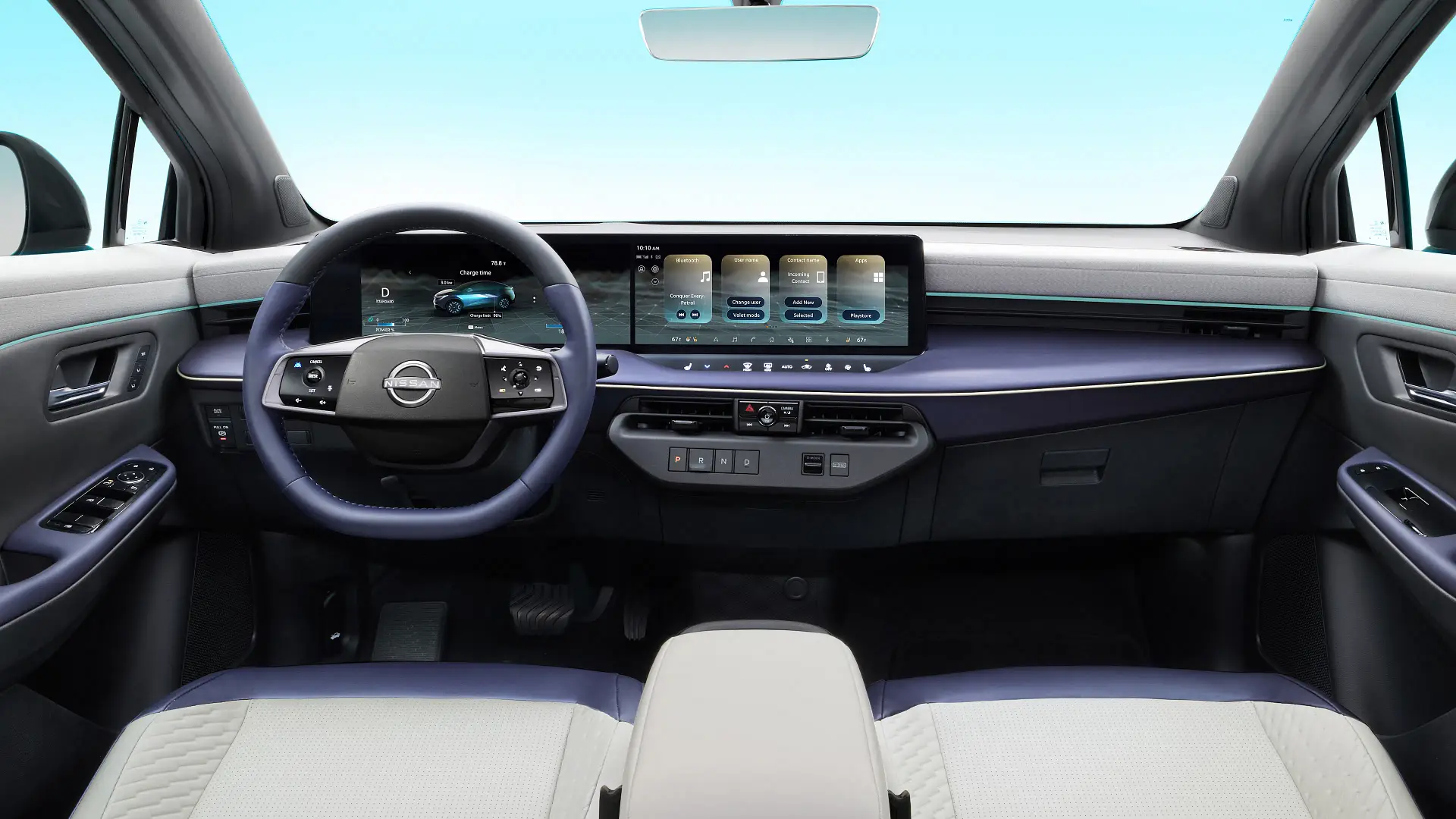
Specific details regarding the Eclipse Sportback’s interior have yet to be fully revealed. Mitsubishi has indicated that more information will be released closer to its launch in the US and Canada. However, it is widely anticipated that the interior will closely mirror that of the Nissan Leaf, reflecting the shared platform.
The Nissan Leaf, as a benchmark, offers a starting price of approximately $29,990 USD (around $AU42,500). It’s important to note that the Leaf destined for North America is manufactured in Japan, a departure from the UK production that was initially considered for the Australian market before its local introduction was stalled. The current, third-generation Nissan Leaf is built on the CMF-EV electric-car platform, which is also used in other Nissan and Renault electric vehicles. This platform supports battery options of either 52kWh or 75kWh, delivering a claimed WLTP driving range of up to 604 kilometres. The availability of these battery sizes and ranges for the Mitsubishi Eclipse Sportback will be a key factor for potential buyers.