Young Talent on the Radar: Junior Wallabies Eyeing French-Based Stars
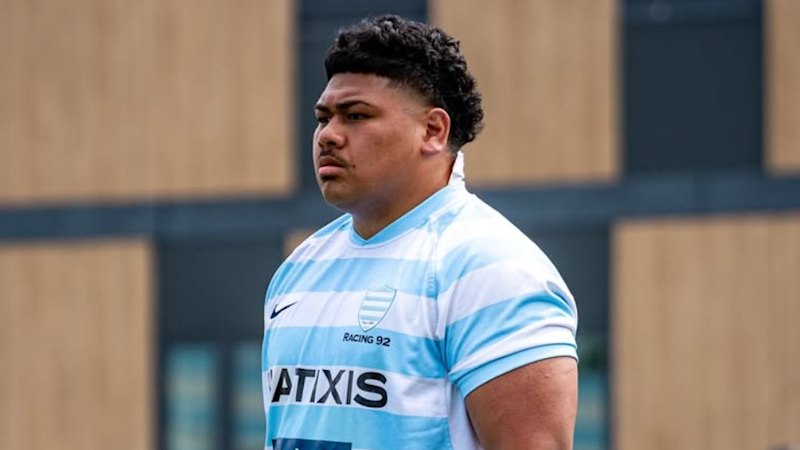
In the ever-evolving landscape of international rugby, Australia is reportedly looking to bolster its Junior Wallabies squad with the inclusion of promising young prop Lehopa Leota. Leota, a hulking 130kg talent currently plying his trade in France, has captured attention not just for his imposing physique, but also for his potential to significantly impact the Junior Wallabies’ set-piece. His build has drawn comparisons to New Zealand powerhouse Ben Tameifuna, a player who has enjoyed considerable success in the French Top 14.
The prospect of Leota featuring for the Junior Wallabies ahead of the Junior World Championship in Georgia later this year signifies a potential shift in Rugby Australia’s (RA) eligibility policies. This move comes at a time when French clubs have been actively recruiting young Australian talent, particularly those of Pasifika heritage, creating a competitive market for developing players.
Leota isn’t the only French-based talent being considered. Fellow prop Hayden Lavercombe is also reportedly on RA’s radar. The selection of both players can be viewed as a strategic effort to strengthen the Junior Wallabies’ scrum and forward pack. However, it also appears to be a calculated response to the ongoing “niggle” between Australian rugby and French clubs, a rivalry that has manifested in various forms over recent years.
A Growing Rivalry: Beyond Player Recruitment
The dynamic between Australian rugby and its French counterpart extends beyond the recruitment of young players. Several incidents have highlighted a growing tension:
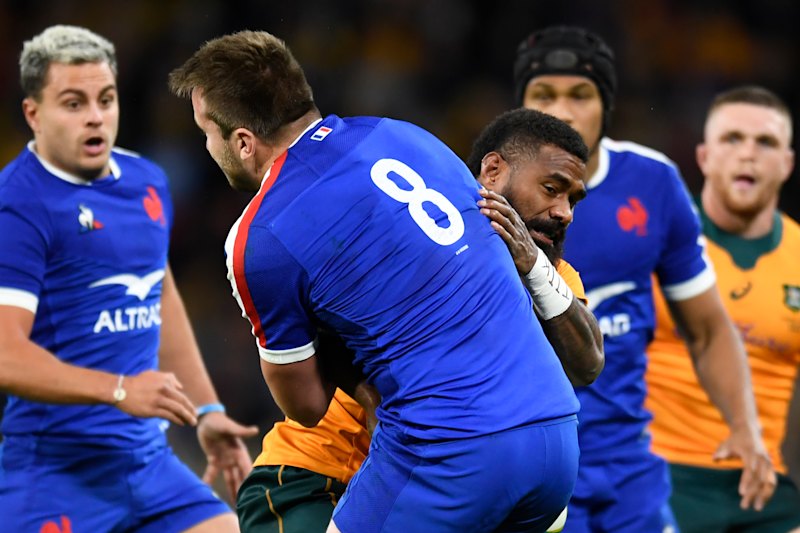
- On-field Incidents: The controversial play-acting by French flanker Anthony Jelonch that led to Marika Koroibete’s red card in Brisbane in 2021 is a prime example of the friction.
- Financial Disputes: Disagreements over the fee for a pre-Rugby World Cup Test match against France have also played a role in shaping the relationship.
- Talent Raids: The most significant concern for RA, however, remains the aggressive recruitment of young Australian talent by French clubs. This practice is perceived as a fundamental threat to the development of the game in Australia.
RA chairman Daniel Herbert has not shied away from voicing his concerns about the impact of French clubs’ recruitment strategies. By targeting players like Leota and Lavercombe for the Junior Wallabies, RA is sending a clear message: they are invested in the future of these players and aim to eventually see them represent the Wallabies, even if their development is currently being funded by French clubs.
Navigating Eligibility: A Complex Chess Game
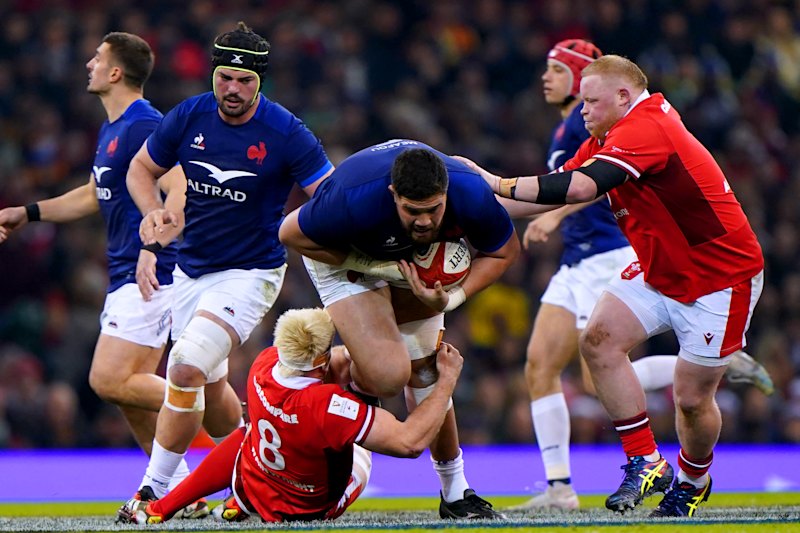
A key complication in RA’s strategy is the current eligibility framework. The Junior Wallabies are not the primary “capture” team for Wallabies eligibility; that role has been delegated to the Australia A squad. This means that selecting Leota and Lavercombe for the under-20s team does not definitively tie them to Australia for senior international representation. They could still potentially opt to play for France, a scenario exemplified by players like Emmanuel Meafou.
Despite this risk, RA appears willing to pursue these players, viewing the selection as a crucial step in a broader courtship strategy. The ultimate goal is to entice these talented youngsters to return to Australia and represent the Wallabies at the Test level, rather than pledging their allegiance to France.
The response from French rugby to RA’s proactive approach will be closely watched. French clubs’ strategy of recruiting young overseas talent is driven by a rule that allows players to be classified as non-foreigners after three years in their academies. This rule, initially intended to bolster the French national team by increasing the pool of “local” players, has inadvertently spurred the early recruitment of players from abroad. Consequently, French rugby has emerged as a more significant threat to Australian rugby’s talent pipeline than even the NRL, particularly when it comes to school-age players.
The French Advantage: Development Pathways and Culture
Rugby-specific talents like Leota are less likely to be targets for the NRL, especially with the league’s rule changes that arguably steer the game towards a touch-football style. In contrast, French rugby offers a clear pathway to success, with the potential to win titles and represent at the highest level.
The ongoing competition for young talent highlights a potential gap in Australia’s player development system. If RA’s talent identification processes were more robust, players like Leota might have been identified and engaged earlier, potentially through programs similar to the Springboks’ alignment camps, where emerging talent interacts with established Test stars.
However, several factors complicate this ideal scenario:
- Talent Identification Challenges: Accurately identifying the future stars among 18-year-old props is inherently difficult, with a degree of unpredictability involved.
- Resource and Competition Gaps: Even with perfect talent identification, there’s a question of whether Australia possesses the necessary resources and competitive structures to retain players between the ages of 18 and 22.
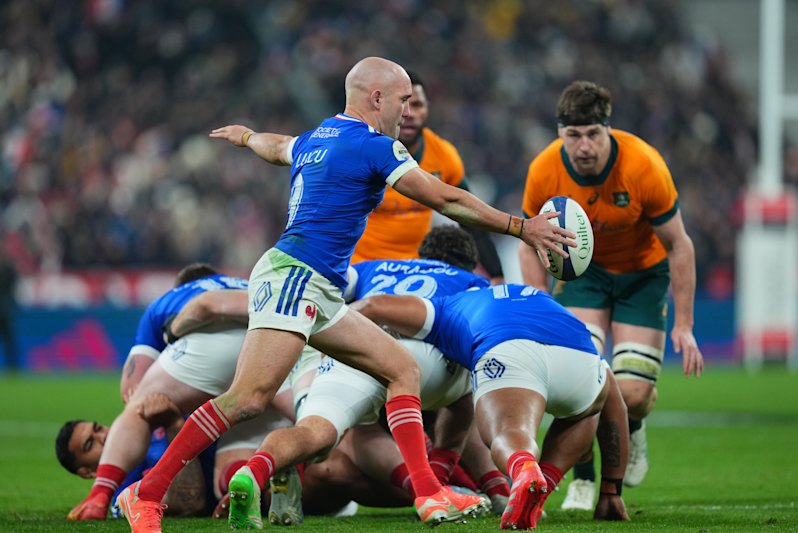
In contrast, French Top 14 clubs boast large squads, offer abundant playing opportunities, and cultivate a strong scrummaging culture. These environments are incredibly beneficial for the development of props like Leota and Lavercombe.
The core concern for Australian rugby is not simply young players seeking opportunities abroad, but the underlying fear that once they leave, they may not return. By selecting Leota and Lavercombe for the Junior Wallabies, RA is at least attempting to keep the door open for these players to benefit from their development in France and ultimately contribute to Australian rugby in their early twenties. This strategic move represents an effort to navigate the complex international rugby landscape and secure the future of Australian talent.