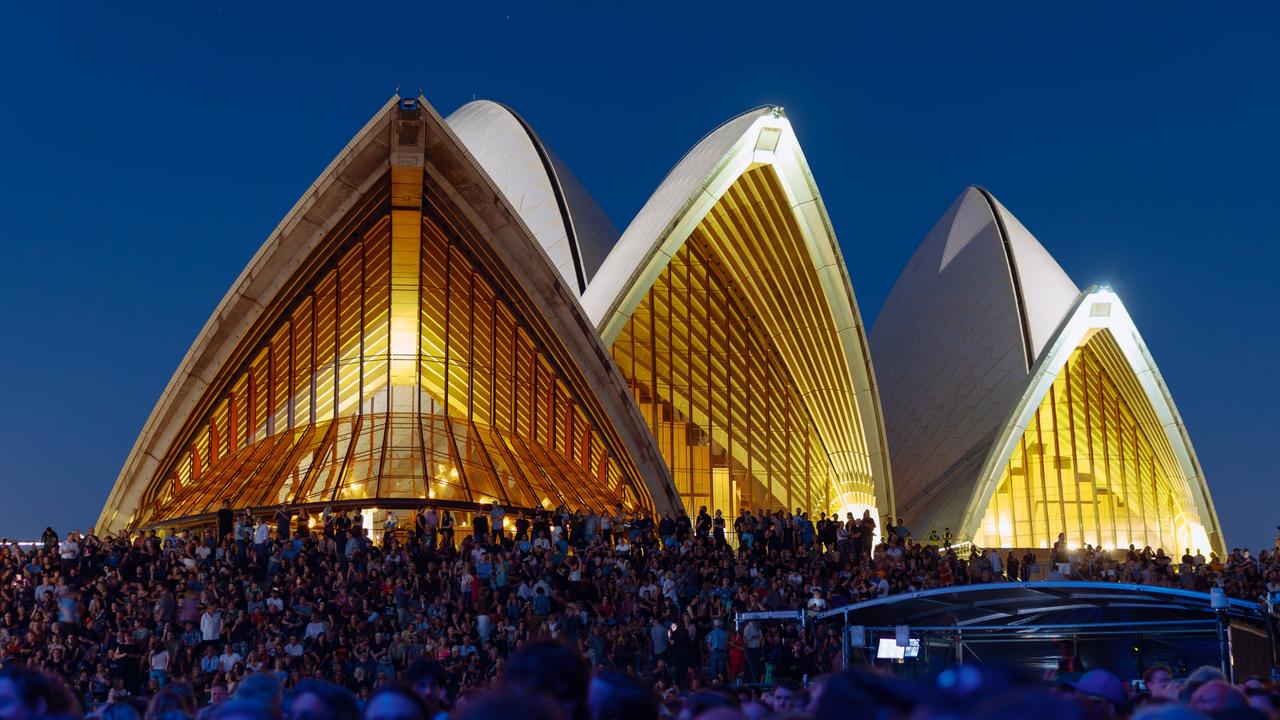
The iconic Sydney Opera House is poised for a significant transformation, set to become a more vibrant and expansive hub for live entertainment. Under new plans championed by the NSW Government, the world-renowned venue will welcome larger crowds to its outdoor concerts and see its noise restrictions significantly relaxed.
A Louder, Later Opera House
One of the most striking changes involves the lifting of noise curfews and caps. Nighttime performances will no longer be constrained by the same decibel limits as daytime events, and the current curfew will be extended to midnight, seven days a week. This move aims to unlock the full potential of the Opera House’s stunning outdoor spaces, allowing for a broader array of performances and extended enjoyment for attendees.
NSW Arts Minister John Graham articulated the shift, stating, “No longer will noise levels at the Sydney Opera House forecourt be dictated by the bedtimes of the residents at the Toaster.” The “Toaster,” a colloquial term for a distinctive apartment complex situated to the east of Circular Quay, has been a focal point for previous noise complaints. The government’s intention is to ensure that the Opera House, a national treasure, can operate at its full capacity without being unduly restricted by localised concerns.
Minister for Planning and Public Spaces Paul Scully echoed this sentiment, highlighting the benefits for both the venue and the city. “These changes will be a great outcome for Sydney which will make sure this iconic venue remains at the heart of Sydney’s event calendar hosting concerts, markets, theatre and more,” he commented. The aim is to solidify the Opera House’s role as a premier destination for diverse cultural experiences, drawing more people to the precinct and boosting the city’s cultural and economic vitality.
Expanded Capacity for Audiences
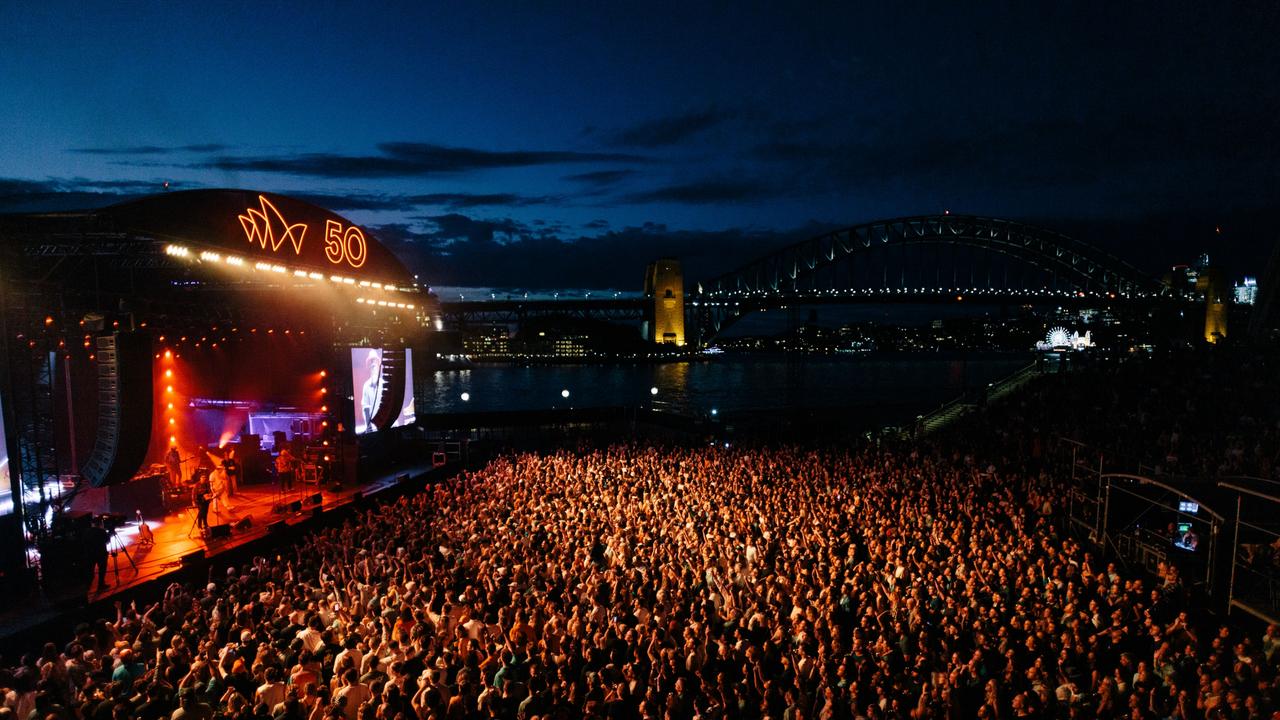
Beyond the soundscape, the physical capacity for outdoor events is also set to increase. The maximum audience size for low and medium-scale outdoor events will rise from 5,000 to 6,000 patrons. Furthermore, the Southern Forecourt, a prime location for major musical performances, will see its capacity boosted from 6,000 to 7,000 people.
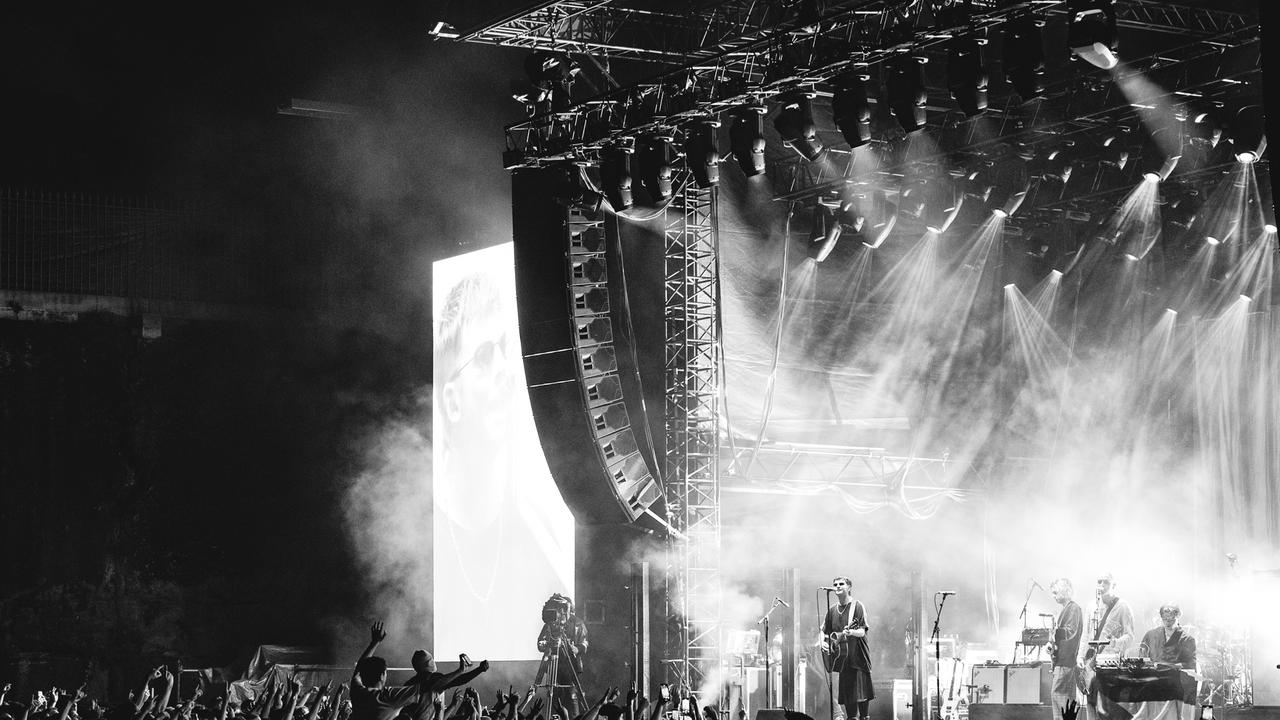
Minister Graham emphasised that these adjustments are designed to safeguard the future of urban nightlife and cultural hotspots. He asserted that these changes would “stop people trying to shut down night-life hotspots just because they live near them,” advocating for a balanced approach to urban development and cultural preservation. “The Sydney Opera House is everyone’s house and these changes make sure the experience matches the epic setting,” he added, underscoring the belief that the venue’s atmosphere should be as grand as its surroundings.
To manage these increased capacities and extended hours, the NSW Government will introduce a “modernised sound management framework.” This framework is intended to ensure that sound levels remain at “common sense levels” for low and medium impact events, striking a balance between enhanced entertainment and community amenity. The government’s overarching goal is to create a more flexible and accommodating environment for a wider range of events and performances, truly embracing the Opera House’s potential as a multi-faceted cultural precinct.
National Support for the Arts
The proposed changes have garnered support from the highest levels of government. Prime Minister Anthony Albanese has publicly backed the plans, recognising the significant benefits they will bring. “It brings enormous economic activity, and it brings enormous joy for people,” he stated.
The Prime Minister highlighted the Opera House’s status as a national icon. “It’s a great asset for the nation. I only regret that I don’t get to do as much as I would like to when it comes to live music and live activity, but the opera house is something that is so symbolic of Australia as well,” Albanese remarked. He stressed the importance of utilising such a significant venue to its fullest potential, both for economic gain and for the cultural enrichment of Australians. “We should be using it and it should be bringing in that economic activity as well as joy to those people who get to go to the concert or the play or whatever other activity is taking place.”
Broader Entertainment Precinct Initiatives
These enhancements to the Sydney Opera House’s operational framework are part of a larger vision by the NSW Government to revitalise urban entertainment. The government is concurrently planning to establish “Special Entertainment Precincts” across the state. These precincts aim to foster a more dynamic nightlife by simplifying the process for converting underutilised commercial spaces, such as empty shops and offices, into licensed venues like wine bars and restaurants.
Moreover, the initiative will enable the temporary activation of commercial buildings and car parks for a variety of uses, including live music performances and community events. This forward-thinking approach seeks to inject new life into urban centres, creating more opportunities for cultural expression and economic growth.
A number of these proposed changes, including those for the Special Entertainment Precincts, will be made available for public exhibition. This period of public consultation, running from Sunday, June 7, to Tuesday, July 7, will allow the community to review and provide feedback on the proposed enhancements, ensuring a collaborative approach to shaping Sydney’s cultural future.