
Understanding the Link Between Ovarian Cancer and Depression
Ovarian cancer is a serious health concern, with approximately 7,000 cases diagnosed each year in the UK. It is responsible for around 4,000 deaths annually, making it one of the most aggressive forms of cancer. In Britain, a woman dies from this disease every two hours. Early diagnosis significantly improves survival rates, with about 95% of women surviving more than five years if the condition is detected at its earliest stage.
However, diagnosing ovarian cancer in its early stages is notoriously difficult. The symptoms often mimic those of other conditions, such as irritable bowel syndrome, stress, menopause, aging, and depression. This can lead to misdiagnosis or delayed treatment, which has serious consequences for patients.
A recent study has revealed that some symptoms of ovarian cancer may be mistaken for signs of depression. Researchers from the University of Iowa found that a third of women diagnosed with ovarian cancer are also diagnosed with depression. However, many of these women experience physical symptoms caused by the cancer itself, such as fatigue, loss of appetite, and difficulty concentrating. These symptoms are commonly associated with depression but can also be side effects of the disease and its treatment.

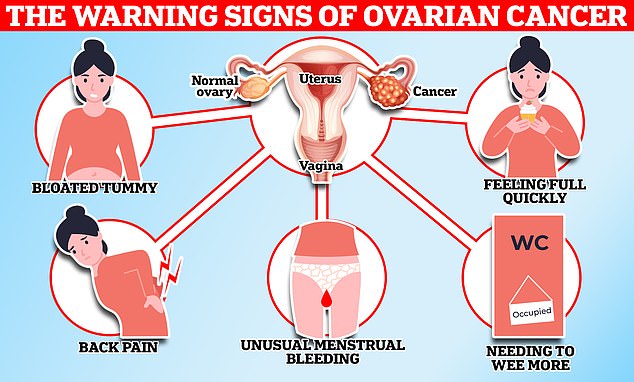
Lora Thompson, a clinical psychologist at Moffitt Cancer Centre in Florida, emphasized the challenges of distinguishing between physical symptoms of cancer and those of depression. She said: “Because a number of symptoms of depression… are also symptoms of cancer or cancer treatment, it can be difficult, even for health or mental health providers, to separate physical symptoms related to cancer.”
Experts believe that this confusion can lead to overdiagnosis of depression in some patients. Instead of focusing on the physical effects of their cancer, these individuals may receive treatment for depression, which could delay more critical care.
The research team studied 428 women with ovarian cancer to determine whether the physical symptoms of the disease were contributing to the appearance of depression. They found that women near the time of diagnosis often reported symptoms linked to depression, such as low energy and poor appetite, even when their levels of depression were relatively low. However, these symptoms typically disappeared after a year, according to Rachel Telles, the study’s lead author.
This suggests that the physical symptoms of ovarian cancer may make patients appear more depressed than they actually are. As a result, doctors might overdiagnose depression, potentially leading to unnecessary treatment.
The authors of the study concluded that somatic (physical) symptoms may disproportionately inflate depression scores among patients with ovarian cancer at diagnosis. This could lead to misclassification or overestimation of depression severity. They highlighted the need for improved methods of assessing depression in cancer patients that take into account the physical burden of the disease.
Their recommendations include considering the physical impacts of ovarian cancer when diagnosing patients with depression. This approach would ensure that both the physical and emotional well-being of patients are addressed effectively.
In summary, the link between ovarian cancer and depression is complex. While some symptoms of depression may overlap with those of the disease, it is crucial to differentiate between them to provide accurate and effective care. By adopting a whole-person approach to treatment, healthcare providers can better support patients throughout their journey.