The Proposal to Charge Visitors to Kunanyi/Mt Wellington
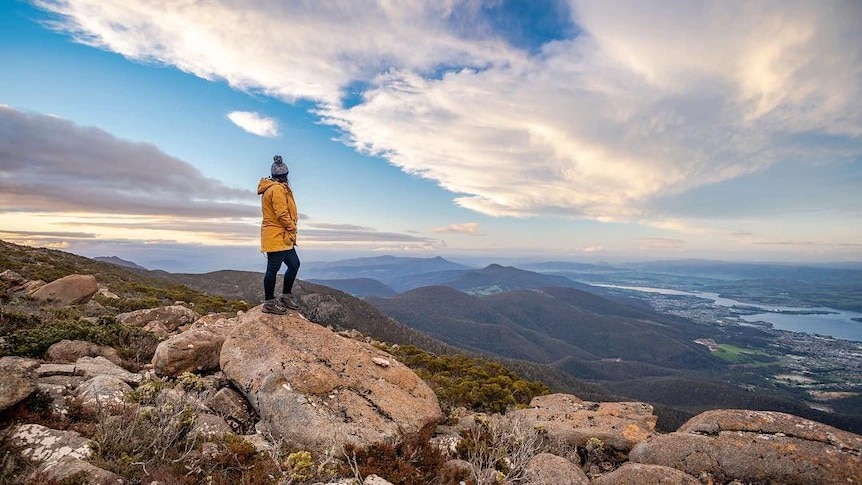
A tourism consultancy firm has proposed a new approach to managing access to Hobart’s Kunanyi/Mt Wellington, suggesting that visitors be charged for entry. This initiative aims to generate additional funds for park maintenance and improve the overall visitor experience.
Recent documents obtained by the Tasmanian Greens and shared with the ABC reveal that a report submitted to the Wellington Park Management Trust Board recommended introducing fees for visitors. According to the report, this measure could help reduce the number of visitors, thereby benefiting the natural environment.
The business case, dated March 2026, outlined potential revenue streams through vehicle fees, shuttle services, and commercial licenses. It estimated that these measures could generate up to $8.6 million annually. This funding would support critical aspects of park management, including road maintenance, safety risk mitigation, and environmental protection.
Funding Challenges and Environmental Benefits
The report highlighted that the current funding model for the park relies heavily on local government support, particularly from Hobart City Council. However, it noted that this model has remained largely unchanged for decades and is no longer sufficient to meet current or future demands.
To address this, the report suggested implementing an “automated licence plate recognition system” at key access points, such as the junction gate above The Springs. This technology would streamline the charging process and ensure compliance.
One of the primary goals of the proposed fee structure is to reduce visitation by approximately 183,000 people per year, or 29%. This reduction is seen as a positive outcome, as it could lead to less congestion, improved safety, and reduced pressure on the natural environment.
Pricing Model and Visitor Impact
While the exact pricing details have been redacted from the report, the ABC calculated that if the $8.6 million revenue target is met, the cost per private vehicle could be around $16. This estimate assumes a 29% drop in visitation due to price sensitivity.
Importantly, the report recommended that pedestrians would not be charged, focusing instead on vehicles. It also highlighted that the majority of the revenue—87%—would come from interstate and international visitors, with only 13% from Tasmanians.
Legal Considerations and Fairness
The report emphasized that any charging model must apply universally, as differentiating between residents and non-residents is not legally viable under Australian constitutional requirements. While international visitors could potentially be charged different rates, the small numbers and administrative costs make this approach impractical.
Wellington Park is Tasmania’s second most visited tourist attraction and the most visited natural site, with around half a million people visiting each year. In 2024 alone, approximately 450,000 individuals made visits, totaling 1.5 million trips. Without intervention, the report forecasts that this number could double over the next 25 years.
Revenue Allocation and Future Plans
The funds collected through the user-pays model would be reinvested into various areas, including safety upgrades, improved visitor experiences, infrastructure maintenance, environmental protection, and cultural engagement initiatives.
Despite the detailed recommendations, the final decision on implementing the fee structure has not yet been made. A spokesperson for the Wellington Park Management Trust stated that the report is still under consideration.
“The Wellington Park Business Case remains a draft until such time as the Trust has all information at hand to finalise its position,” the spokesperson said. They added that the Trust is awaiting the release of the government’s Our Mountain’s Future review before making a final decision.
The government’s Our Mountain’s Future action plan was originally scheduled for release in late 2025 but has yet to be published. This delay means that the trust is waiting for further guidance before proceeding with any changes.