
The Dazzling Smile, The Hidden Risks: Oral Piercings Under the Microscope
The glitz and glamour of the 2026 Winter Olympics brought a particular detail of U.S. figure skater Alyssa Liu’s performance into sharp focus: her teeth. Specifically, photographers captured the glint of silver spikes positioned seemingly precariously above her smile. The 20-year-old Californian athlete sported what is known as a frenulum piercing, often called a “smiley” piercing, which involves piercing the thin band of tissue that connects the upper lip to the gums. Liu herself reportedly performed this piercing before the games. While such body adornments can certainly enhance a look, health professionals are sounding the alarm about the significant risks associated with oral piercings, warning of potential infections and lasting damage to oral health.
The human mouth is a complex ecosystem teeming with millions of bacteria. This inherent bacterial load makes oral piercings significantly riskier than, for instance, ear piercings. According to dental experts, the moist, bacteria-rich environment inside the mouth provides fertile ground for infections to take hold if proper hygiene and aftercare are not meticulously maintained.
The Cascade of Complications: From Infection to Serious Illness
Infections following oral piercings can develop swiftly, particularly if the jewellery, the piercing site, and surrounding areas are not kept scrupulously clean or if they are handled with unwashed hands. These infections can escalate, leading to:
- Gum Disease: This can manifest as inflammation and irritation of the gums, and in more severe cases, can contribute to tooth loss.
- Receding Gums: Inflammation can cause the gums to pull away from the teeth, a process that is often irreversible. This exposes the sensitive roots of the teeth, making them more susceptible to decay and discomfort.
Beyond the more common complications, oral piercings carry a risk of transmitting more serious pathogens. While rarer, individuals have been known to contract Hepatitis B, C, D, E, and G through unsterile piercing practices. Other potential infections include tuberculosis, HIV/AIDS, and various fungal and bacterial ailments like candidiasis and cellulitis. There’s even a risk of developing endocarditis, a potentially life-threatening infection of the heart valves.
Rodeo Dental Care highlights the sensitivity of the frenulum area, emphasising that “Smiley piercings are done on a very sensitive area, and it requires adequate care; otherwise, it can lead to infection and cause adverse effects.”

Beyond Infection: The Physical Toll on Teeth and Tissues
The detrimental effects of oral piercings aren’t limited to infection. The physical presence of the jewellery itself can lead to a range of immediate and long-term issues:
- Swelling and Bleeding: The initial trauma of the piercing can cause significant swelling, bleeding, and bruising around the site.
- Nerve Damage: There’s a risk of damage to nerves in the area, which could potentially affect sensation or muscle function.
- Tissue Trauma: The constant presence and movement of the jewellery can irritate and traumatise the surrounding gum and lip tissue.
- Impact on Saliva and Taste: Some individuals report changes in saliva production or altered taste sensations following oral piercings.
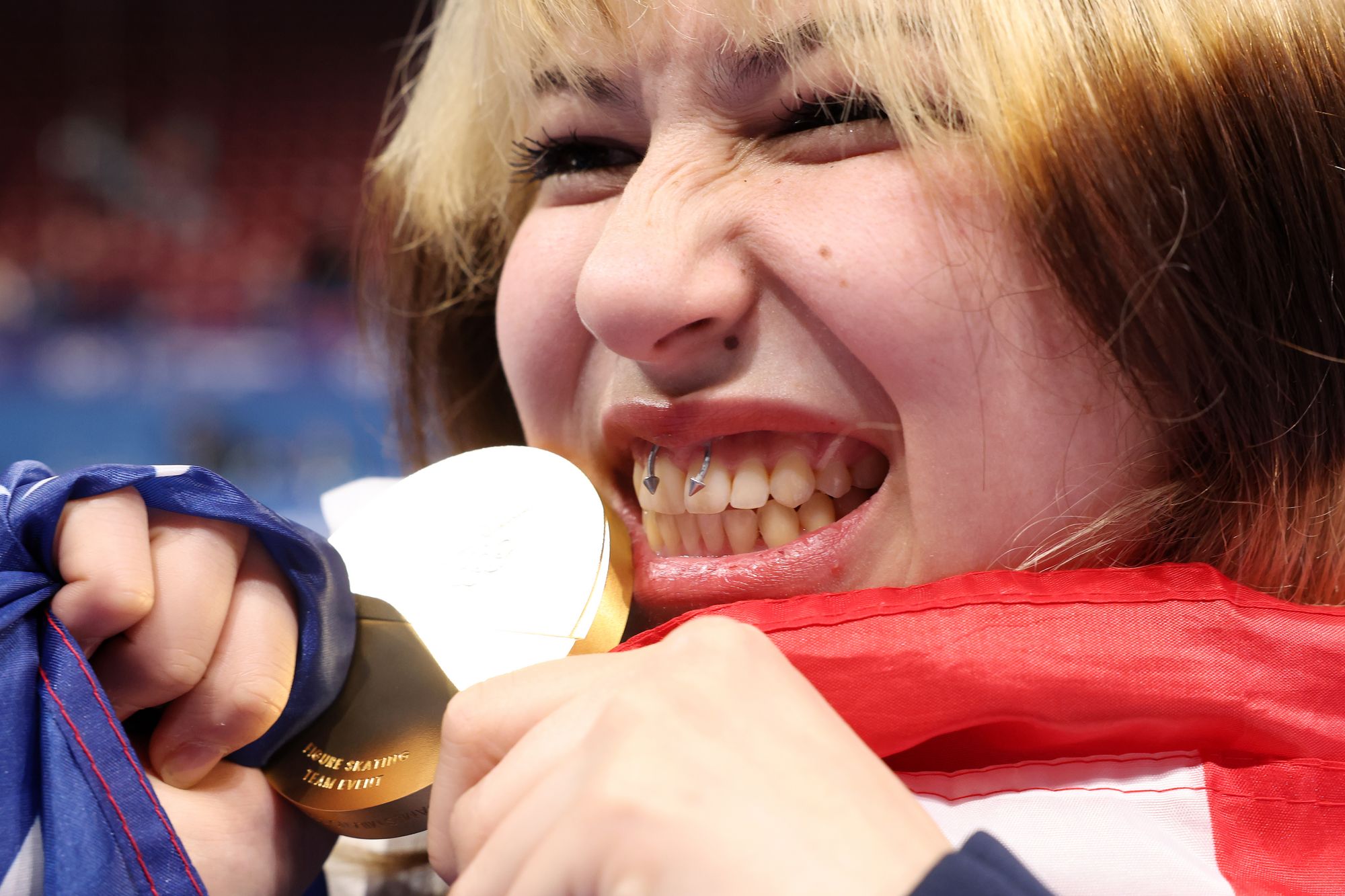
The persistent contact and movement of metal jewellery within the mouth can also wreak havoc on the teeth themselves. Over time, the jewellery can:
- Scratch and Chip Teeth: The hard metal can directly abrade the tooth surface, leading to microscopic scratches and even larger chips.
- Erode Enamel: Enamel, the protective outer layer of the teeth, is crucial for preventing decay. Constant friction from jewellery can wear down this vital layer, exposing the underlying dentin and increasing the risk of cavities.
The DIY Danger and the Professional Imperative
Dentists strongly caution against the practice of “DIY” or self-administered piercings. The risks associated with improper technique, unsterile equipment, and a lack of anatomical knowledge are simply too great.
Cosmetic dentist Dr. Edward Liu stresses the importance of professional expertise: “After understanding the risks, if you still decide to get an oral piercing make sure the procedure is performed by a trained professional who uses sterile instruments.” He further advises, “Consult with your dentist before getting an oral piercing to learn proper aftercare and maintenance that will help you reduce your risk of infection or complication.” Prioritising professional guidance and meticulous aftercare is paramount for anyone considering this form of body modification.