Australian Couple Stranded in Argentina Amidst Surrogacy Law Turmoil
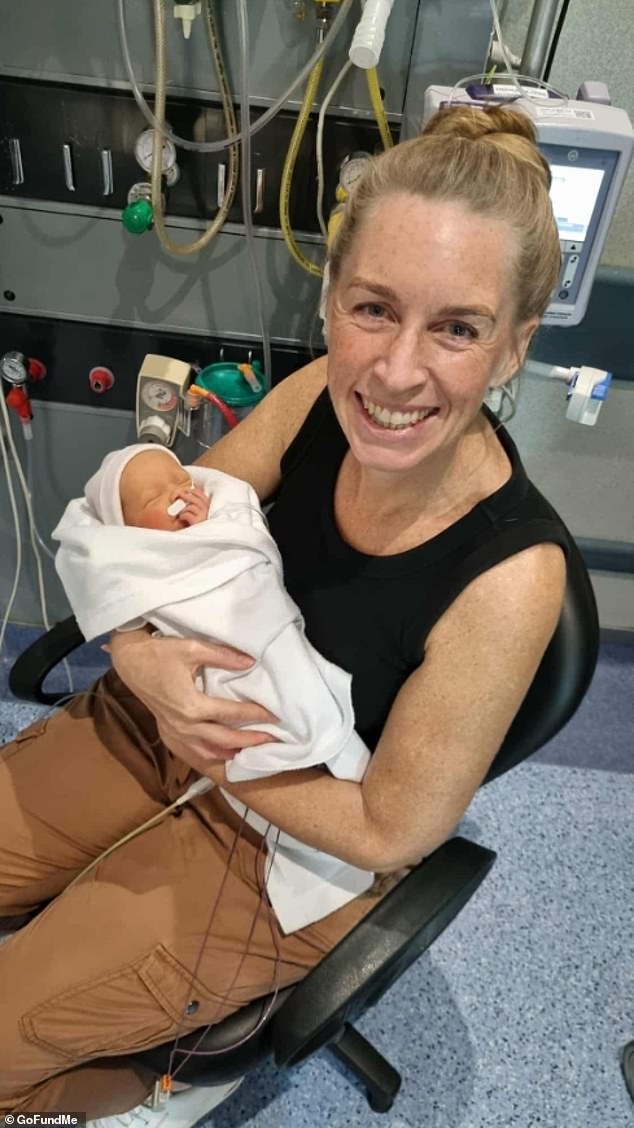
An Australian couple, Amy and Jonathan Carr-Knox, find themselves in a distressing year-long ordeal in Argentina, locked in a complex surrogacy battle to bring their newborn daughter, Sophie, home. The Perth-based health workers, who endured a decade of trying for a family through various means including IVF and overseas surrogacy, now face an uncertain future, unable to work, access welfare, or even celebrate their daughter’s impending first birthday in their own country.
The couple’s journey to parenthood led them to Argentina, where they used their embryo with a surrogate. However, their plans were unexpectedly complicated by a significant shift in Argentinian law. A recent Supreme Court ruling in October 2024 mandated that a surrogate must be listed as one of the two legal parents on a child’s birth certificate. This new regulation has created a formidable obstacle for Amy and Jonathan, who had anticipated a swift return to Australia after Sophie’s premature birth.

Initially, the Carr-Knoxes understood that the surrogate would be recognised as the birth mother on Sophie’s certificate, with the intention of having Jonathan added as the second parent to facilitate their departure. However, this request was subsequently denied, forcing the couple to initiate legal proceedings to amend the birth certificate. Their situation has been further compounded by alleged errors within their surrogacy agreement, prepared by their agency, leaving them in a constant state of anxiety regarding their legal guardianship of Sophie.
Amy Carr-Knox shared the gravity of their predicament with ABC’s Australian Story, explaining, “If Jonathan’s name is not placed on the birth certificate, it means that we have no relationship to [Sophie]. She will not be allowed to leave Argentina without Indira. If Indira leaves with Sophie, she needs to return with Sophie. Otherwise it will be classed as human trafficking.” She added, “We are so extremely lucky to finally have our child, but I imagined something so different.”
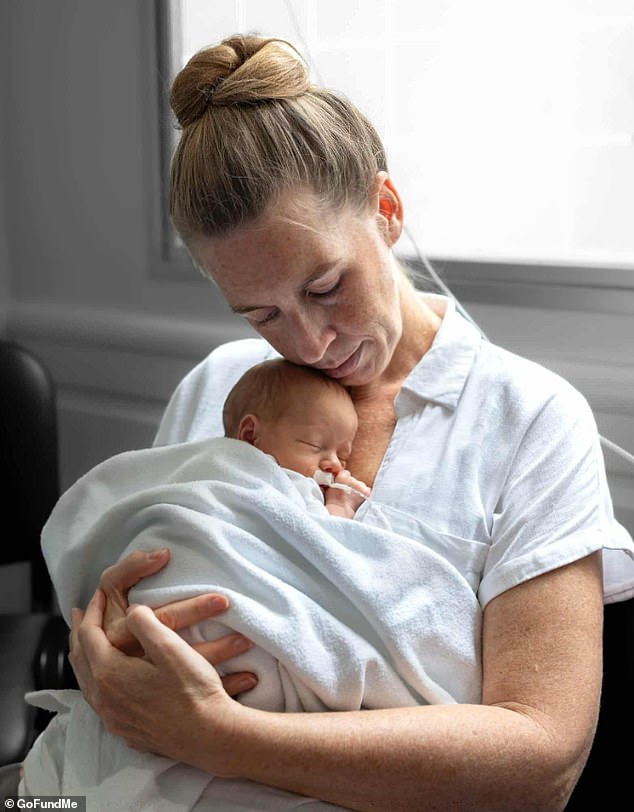
The financial and emotional toll of this protracted legal battle has been immense. The couple has already incurred significant losses, estimated at $200,000 in lost income and at least $120,000 covering legal fees, medical expenses, living costs abroad, and ongoing bills back home. Jonathan Carr-Knox, a physiotherapist, is currently out of work after his contract with WA Health was not renewed. Meanwhile, Amy’s applications for parental leave from her WA Health and government positions were rejected. Having exhausted their savings, including re-mortgaging their home, the Carr-Knoxes are now surviving on donations, appealing for support to sustain themselves during this indefinite period.
The Australian government, through the Department of Foreign Affairs, has provided consular advice but has stated it cannot intervene in the ongoing legal proceedings. A fundraiser established by friends highlights the couple’s plight: “They have had to endure complete isolation in a foreign country where they don’t speak the language, trying to navigate a foreign legal system while struggling on a daily basis to carve out something that resembles a life for their daughter. They have had to watch Sophie achieve milestones through their constant teary eyes, with no one to share them with or, worse, missing them as they battle anxiety and depression due to their situation.”
In response to the growing concerns surrounding international surrogacy arrangements, the Australian government has updated its Smartraveller website with specific advisories for Australians considering surrogacy in Argentina. The current advice acknowledges the absence of specific legislation regulating surrogacy in Argentina, with all arrangements subject to the dynamic nature of Argentinian law.
The updated advisory, shared on February 9, strongly urges Australians to be aware of all legal and associated risks. It states:
- “If you plan to take part in surrogacy arrangements in Argentina, be aware of all legal and other risks involved.”
- “You may be refused entry to Argentina if taking part in a surrogacy arrangement.”
- “Research prospective agencies and clinics to ensure that you’re dealing with a reputable organisation.”
- “Be aware if there are any local legal issues surrounding your surrogacy arrangement, authorities may stop you entering the country, or your child leaving.”
- “Get comprehensive and independent legal advice from an Argentine lawyer with specialisation in this area of law.”
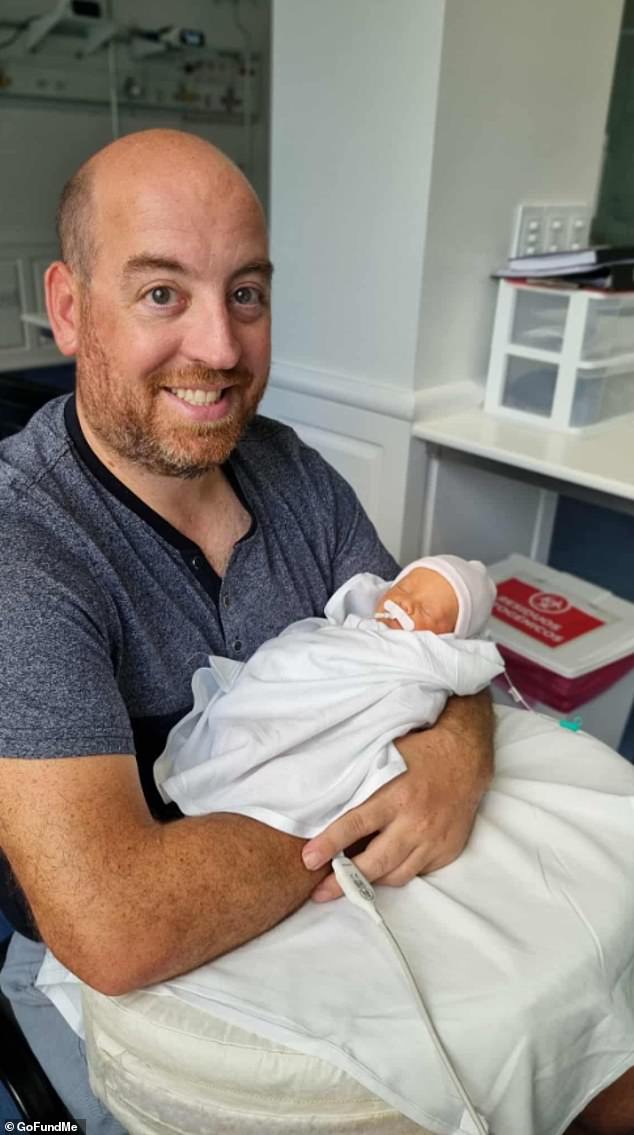
The Carr-Knoxes’ situation serves as a stark warning about the complexities and potential pitfalls of international surrogacy, particularly in jurisdictions where legal frameworks are still evolving. Their hope remains that a resolution will be found, allowing them to finally bring baby Sophie home to Australia.