The Perils of Pop Stars on the Silver Screen: Why Stunt Casting Risks Ruining Iconic Roles
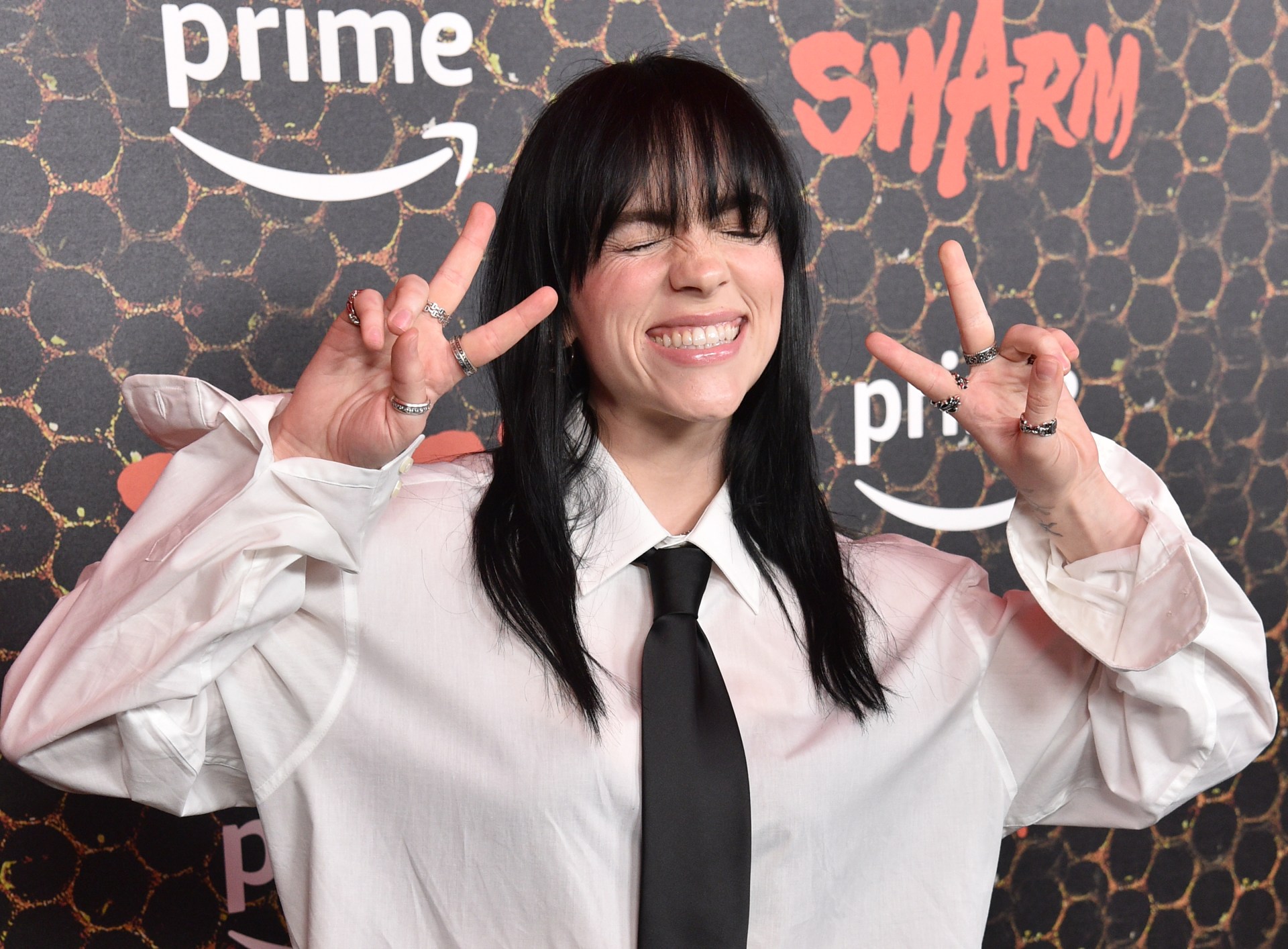
The rumour mill has been buzzing with whispers of pop sensation Billie Eilish potentially making her acting debut in an adaptation of Sylvia Plath’s seminal novel, The Bell Jar. While this news might excite her legion of devoted fans, for those who hold the literary masterpiece dear, it sparks a familiar sense of weary exasperation. Handing a role as profoundly demanding as Esther Greenwood to a relative newcomer, no matter how musically talented, feels like a gamble with potentially devastating consequences.
The Bell Jar, a semi-autobiographical deep dive into the crushing realities of depression, identity crises, and societal pressures of the 1950s, features a central character that can either catapult an actor’s career into stratospheric heights or expose their limitations with brutal efficiency. The weight of this role is not to be underestimated.
History has shown us the pitfalls. The 1979 film adaptation, despite starring Marilyn Hassett, who had previously earned a Golden Globe, proved to be a critical and commercial disaster. Hassett faced scathing reviews for her portrayal of Esther Greenwood, and her career never truly recovered. This track record suggests that even seasoned actors approach such a part with extreme caution. For Billie Eilish, who is a global music phenomenon, this represents a significant departure from her established expertise.
This situation highlights one of Hollywood’s most persistent and, frankly, irritating habits: the phenomenon of “stunt casting.” This is the practice of enlisting hugely popular musicians or other celebrities with little to no formal acting experience into significant roles in serious dramas, arthouse films, or even big-budget blockbusters. The pattern is almost always the same: a musician achieves massive success, cultivates a dedicated global fanbase, and then, before you know it, they’re gracing the silver screen.
We’ve seen this play out recently with the likes of Harry Styles in Don’t Worry Darling, Dua Lipa in Argylle, and even ASAP Rocky’s collaboration with Spike Lee in Highest 2 Lowest. And all too often, these films, despite the immense star power, falter at the box office. Argylle, for instance, is widely reported to have incurred substantial financial losses, running into the hundreds of millions of pounds.
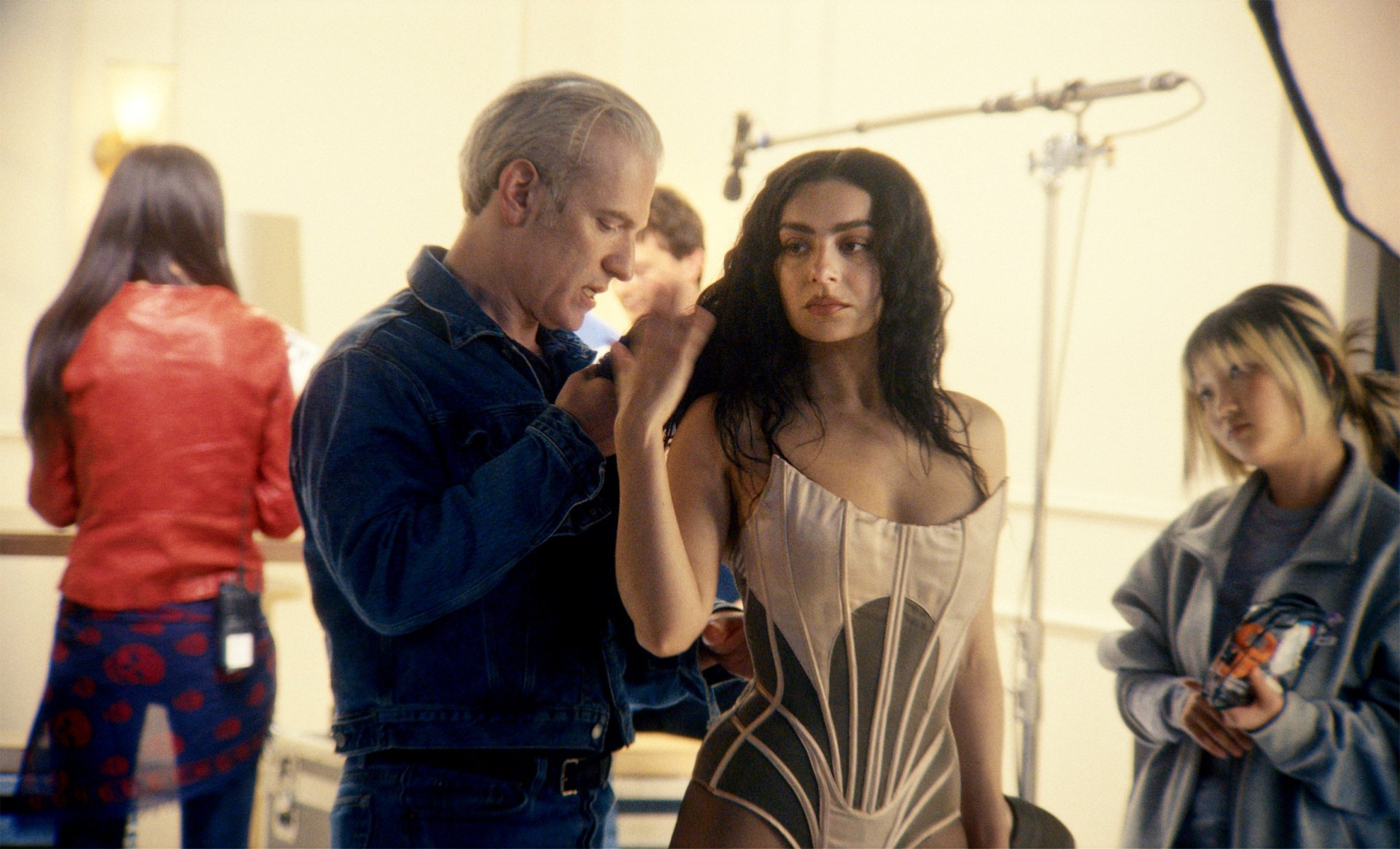
While Billie Eilish undoubtedly possesses immense talent, The Bell Jar adaptation appears to be treading a well-worn path that has, more often than not, led to creative and commercial disappointment. Acting is an inherently collaborative art form. Each performance exists in a delicate ecosystem with the others on screen. When one actor feels fundamentally out of sync, the entire scene, and indeed the film, can begin to falter.
This isn’t to dismiss musicians who venture into acting. Both disciplines require a certain presence, the ability to convey emotion, and the capacity to captivate an audience. However, the technical demands and nuances of acting are vastly different from those of musical performance. Acting often demands a subtle, almost invisible presence, where the most compelling performances feel entirely natural, devoid of any perceived artifice.
The Craft of Acting vs. The Spectacle of Stardom
Pop stars, by the very nature of their careers, are trained to be visible and to command attention. Years spent honing their craft in the music industry don’t necessarily translate into the technical skills required for compelling screen acting.
Harry Styles himself has been remarkably candid about this disparity. While promoting Don’t Worry Darling at the Venice Film Festival, he openly admitted to feeling clueless about acting, describing it as fundamentally different from music. His performance alongside the Oscar-nominated Florence Pugh in Olivia Wilde’s psychological thriller quickly became a point of discussion. While Pugh received widespread critical acclaim, Styles’s performance was met with a range of reactions, from pity to outright bewilderment.

The issue wasn’t simply that Styles was “bad,” but rather that the chasm between his performance and that of his co-stars was glaringly apparent, making it impossible to ignore. This is the inherent danger of stunt casting. A less-than-stellar performance from a relative unknown might fade into the background. But when the most famous face on screen delivers a weak performance, it doesn’t just disappear; it actively pulls the entire film out of balance, diverting attention from the narrative.
With a role as central as Esther Greenwood in The Bell Jar, the entire film’s success or failure will hinge on the lead performance.
The Marketing Machine and the Rise of the ‘Multi-Hyphenate’
The allure of stunt casting is, at its core, a marketing strategy. Enlisting a globally recognised pop star guarantees a significant level of attention. Their existing fanbase will likely turn up out of sheer curiosity, and their name alone generates headlines, social media buzz, and a ready-made hook for marketing campaigns.
Beyond the immediate marketing benefits, there’s a broader cultural shift at play: the ascendancy of the celebrity “multi-hyphenate.” In today’s attention economy, excelling in a single field is often perceived as insufficient. Artists are expected to be ubiquitous, maintaining a constant presence across multiple platforms to remain culturally relevant. They release music, star in films, launch fashion lines, host podcasts, and curate a ceaseless online persona, all in a bid to keep audiences engaged. The prevailing logic suggests that if you’re a pop star, why not try everything else?
When Creative Freedom Becomes Brand Expansion
In theory, the rise of the multi-hyphenate artist sounds like a celebration of creative freedom. In practice, however, it can often result in work that feels curiously superficial, driven more by brand expansion than genuine artistic impulse.
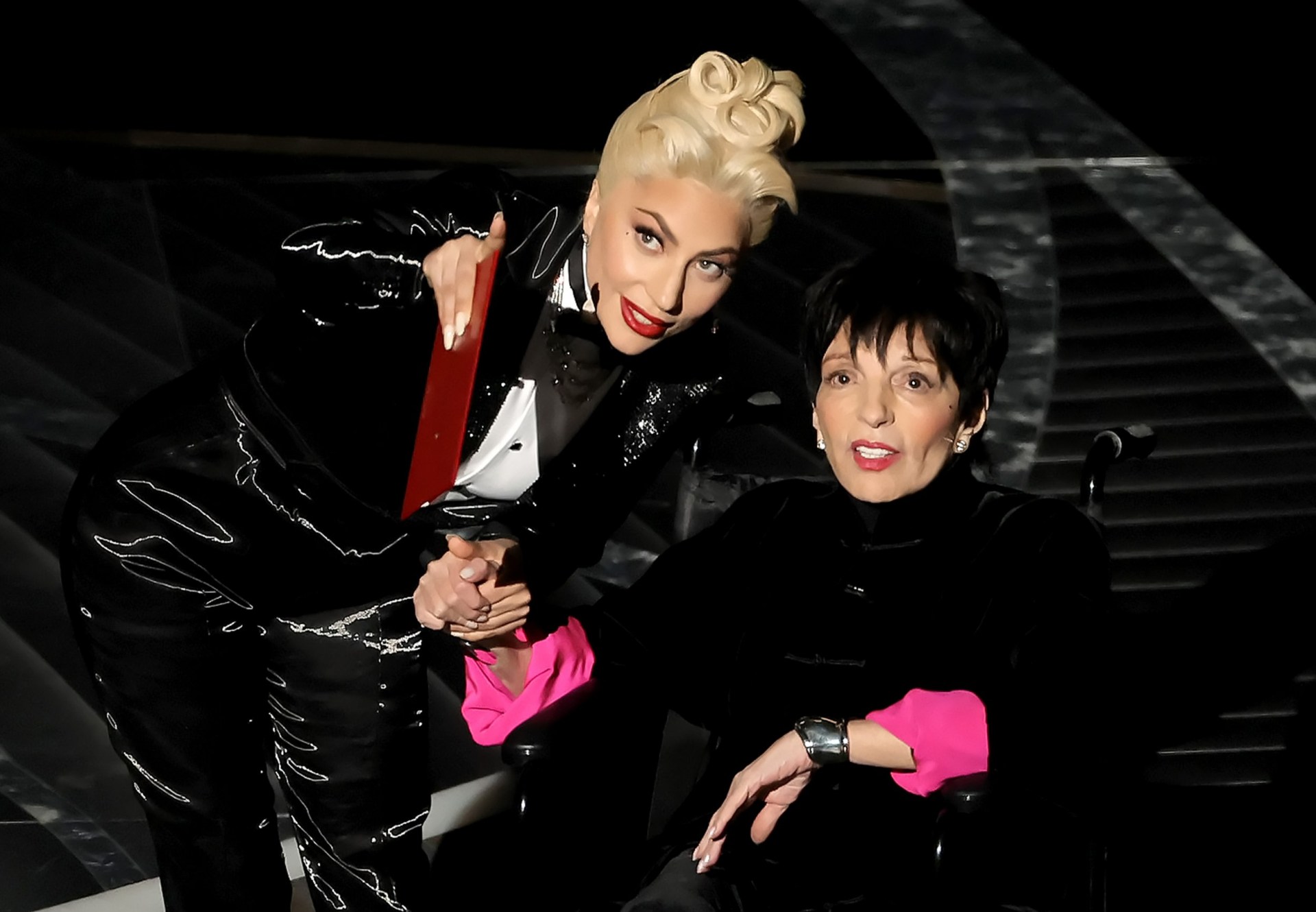
Naturally, there are exceptions. Lady Gaga stands out as the prime example, frequently cited whenever the pop-star-to-actor pipeline faces scrutiny. Her Oscar-nominated performance in A Star Is Born cemented her as a credible screen presence. Yet, Gaga’s success actually reinforces the established rule rather than breaking it. She approached acting with the dedication of someone mastering a new discipline, not merely ticking a box on her résumé, demonstrating a profound commitment to the craft.

Even with such exceptional talent, genuine crossover success remains a rarity. The industry, unfortunately, often draws the wrong conclusions from examples like Gaga’s. Instead of recognising the extraordinary nature of her achievement, studios view it as validation of a formula. The thinking becomes: cast another pop star, chase another crossover hit, hoping lightning strikes twice. More often than not, it doesn’t.
The Unfairness to Trained Actors
This brings us back to The Bell Jar and why the temptation to stunt-cast it feels particularly egregious. There are literally thousands of highly trained actors who would give anything for a role of such calibre. These are individuals who have dedicated years to studying, auditioning, and often working in low-paying theatre roles, all with the dream of landing precisely this kind of opportunity.
When studios bypass these dedicated professionals in favour of a globally famous singer with a negligible acting résumé – aside from a brief, largely forgotten role in the TV series Swarm – it inevitably begs the question: what does the industry truly value? Increasingly, the answer appears to be sheer attention.
This is not to say that musicians should never act. Some may indeed discover a latent talent for it, just as some actors transition into successful directing or writing careers. Creative paths are rarely linear or predictable.
However, Hollywood’s current approach often treats acting less as a finely honed craft and more as another facet of celebrity branding. As more pop stars and influencers flood the screen, fewer opportunities remain for actors who have dedicated their lives to the profession. The stark reality is that most individuals, even those with immense talent, excel at one primary thing. Perhaps it’s time for everyone to stick to what they do best.