Val Kilmer’s Final Performance: A Digital Renaissance in ‘As Deep as the Grave’
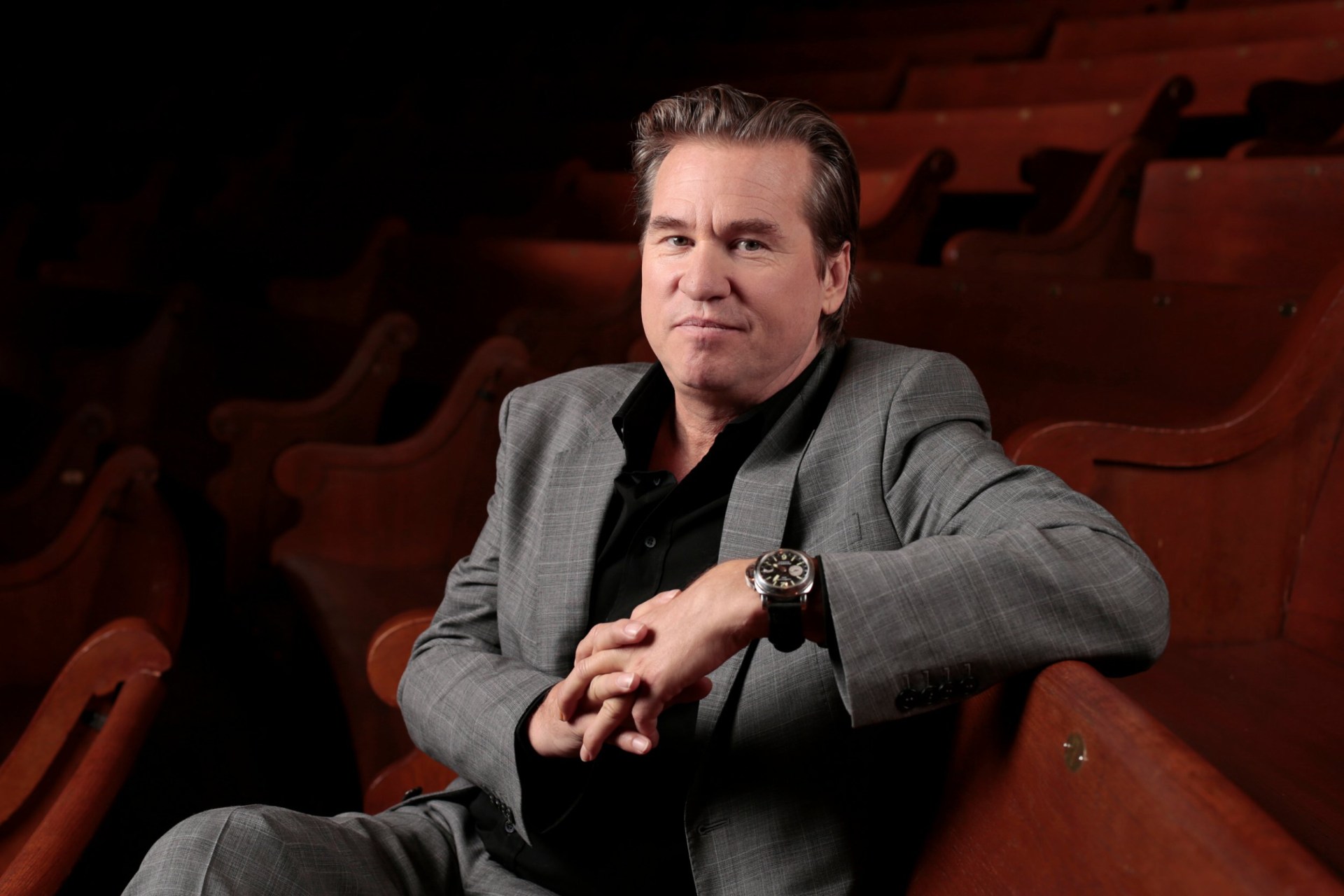
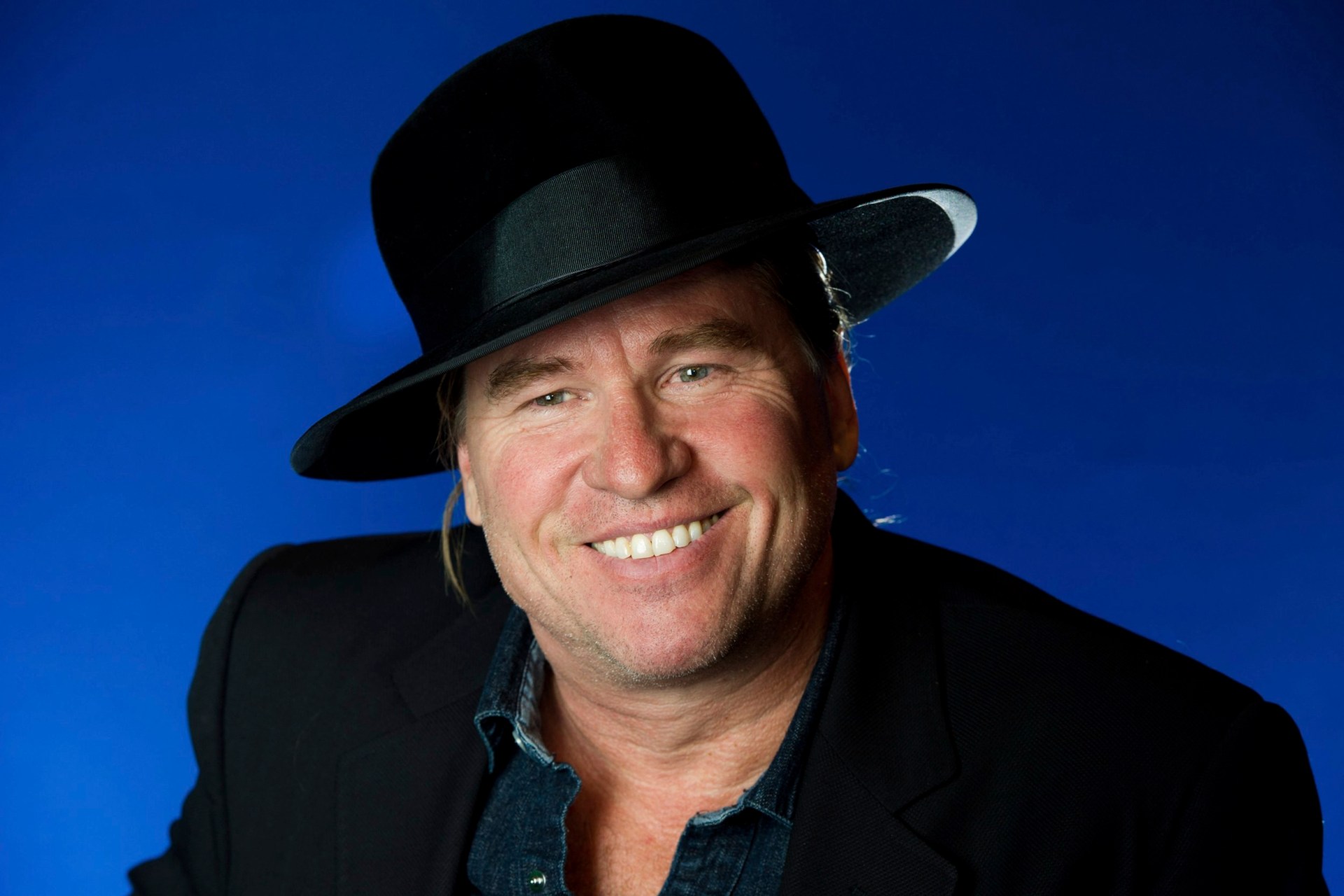
Five years prior to his passing in 2025, the acclaimed actor Val Kilmer had committed to a role that, due to unforeseen health challenges, he would never physically embody. He was slated to portray Father Fintan, a Catholic priest and a spiritual guide for Native American communities, in Coerte Voorhees’ historical drama, As Deep as the Grave. This particular part was not merely a casting choice; it was meticulously crafted with Kilmer in mind, drawing inspiration from his profound connection to the American Southwest and his own Indigenous heritage.
However, as the production timeline drew closer, Kilmer’s arduous journey battling throat cancer rendered him unable to step before the cameras. Director Coerte Voorhees shared with Variety, “He was the actor I wanted to play this role. It was very much designed around him.” Voorhees recounted the intense preparation phase, with call sheets ready to go, but ultimately, “He was just going through a really, really tough time medically, and he couldn’t do it.”
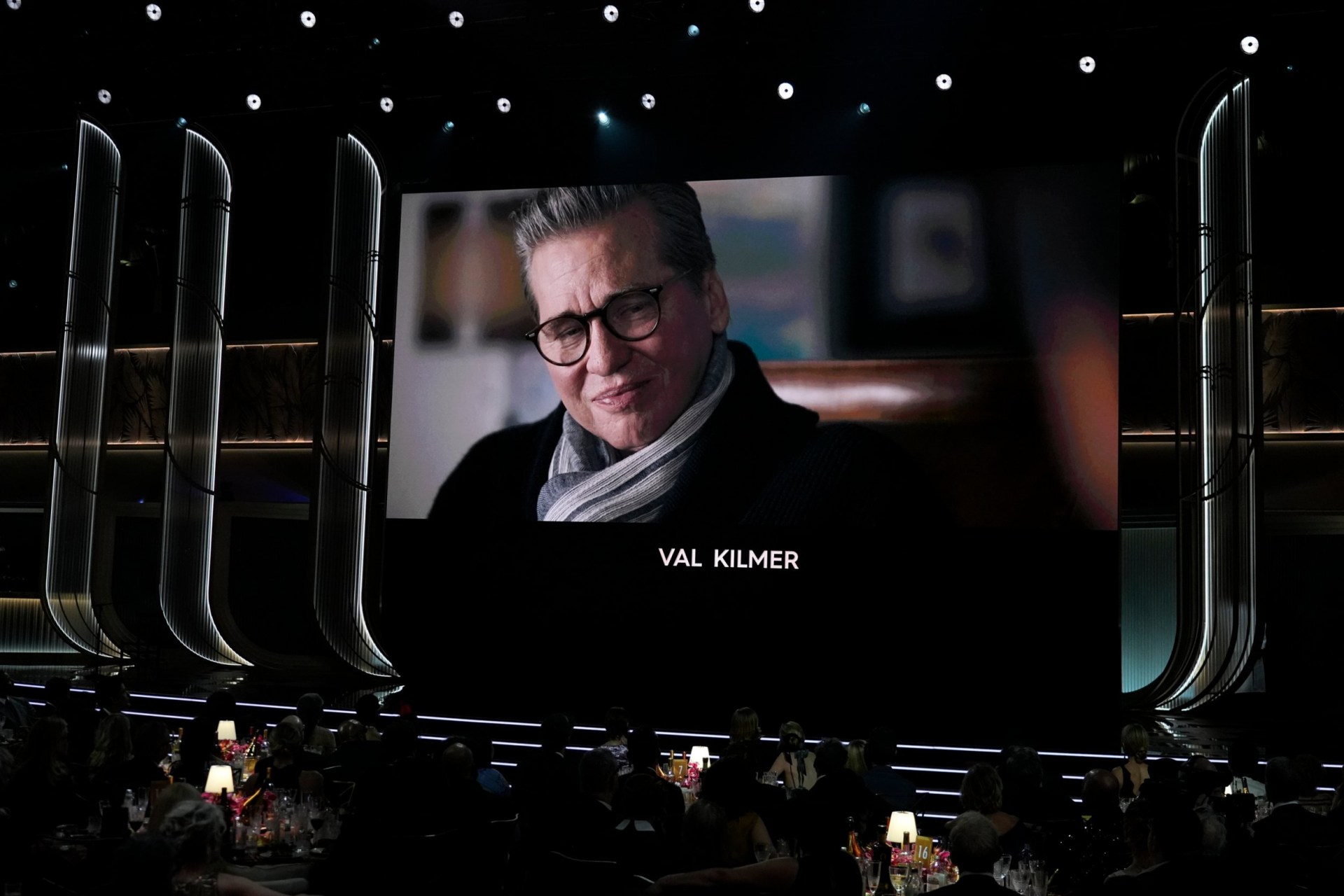
Despite the absence of any on-set filming for Kilmer, his presence is a significant feature in the completed film, achieved through the innovative use of generative artificial intelligence. This groundbreaking decision was made in close consultation and collaboration with Kilmer’s family. According to Voorhees, both Kilmer’s daughter, Mercedes, and his son, Jack, wholeheartedly endorsed the concept, underscoring the deep personal investment their father had in the project.
“His family kept saying how important they thought the movie was and that Val really wanted to be a part of this,” Voorhees explained. He added, “Despite the fact some people might call it controversial, this is what Val wanted.”
Unearthing History in Canyon de Chelly
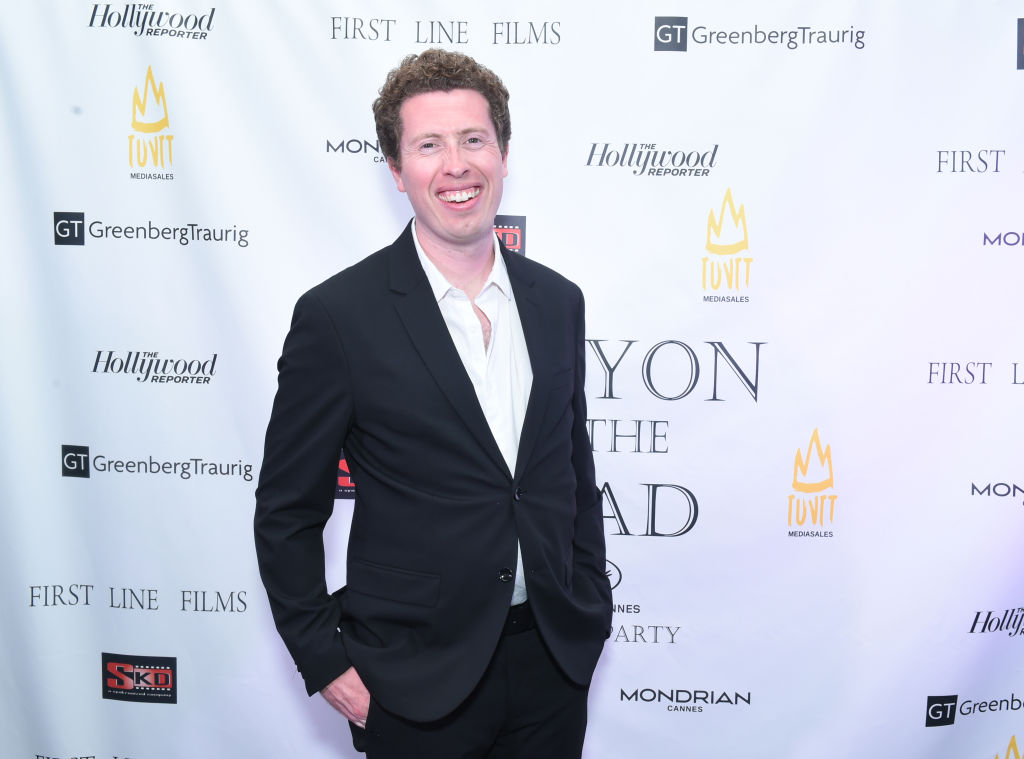
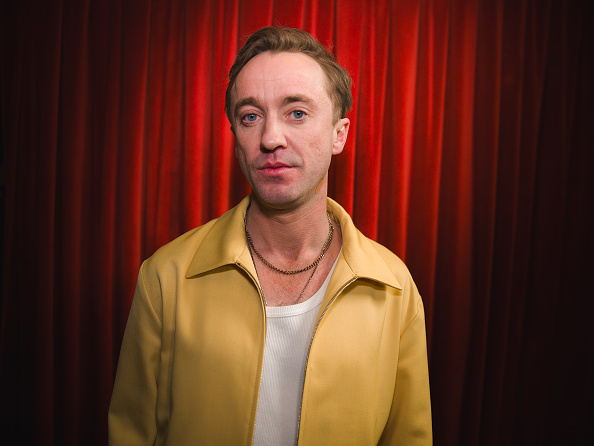
The film, previously known by the working title Canyon of the Dead, delves into the compelling true story of archaeologists Ann and Earl Morris. It chronicles their significant work in Arizona’s visually stunning Canyon de Chelly, meticulously tracing the rich and complex history of the Navajo people. The ensemble cast is led by Abigail Lawrie and Tom Felton, with notable performances also contributed by Wes Studi and Abigail Breslin.
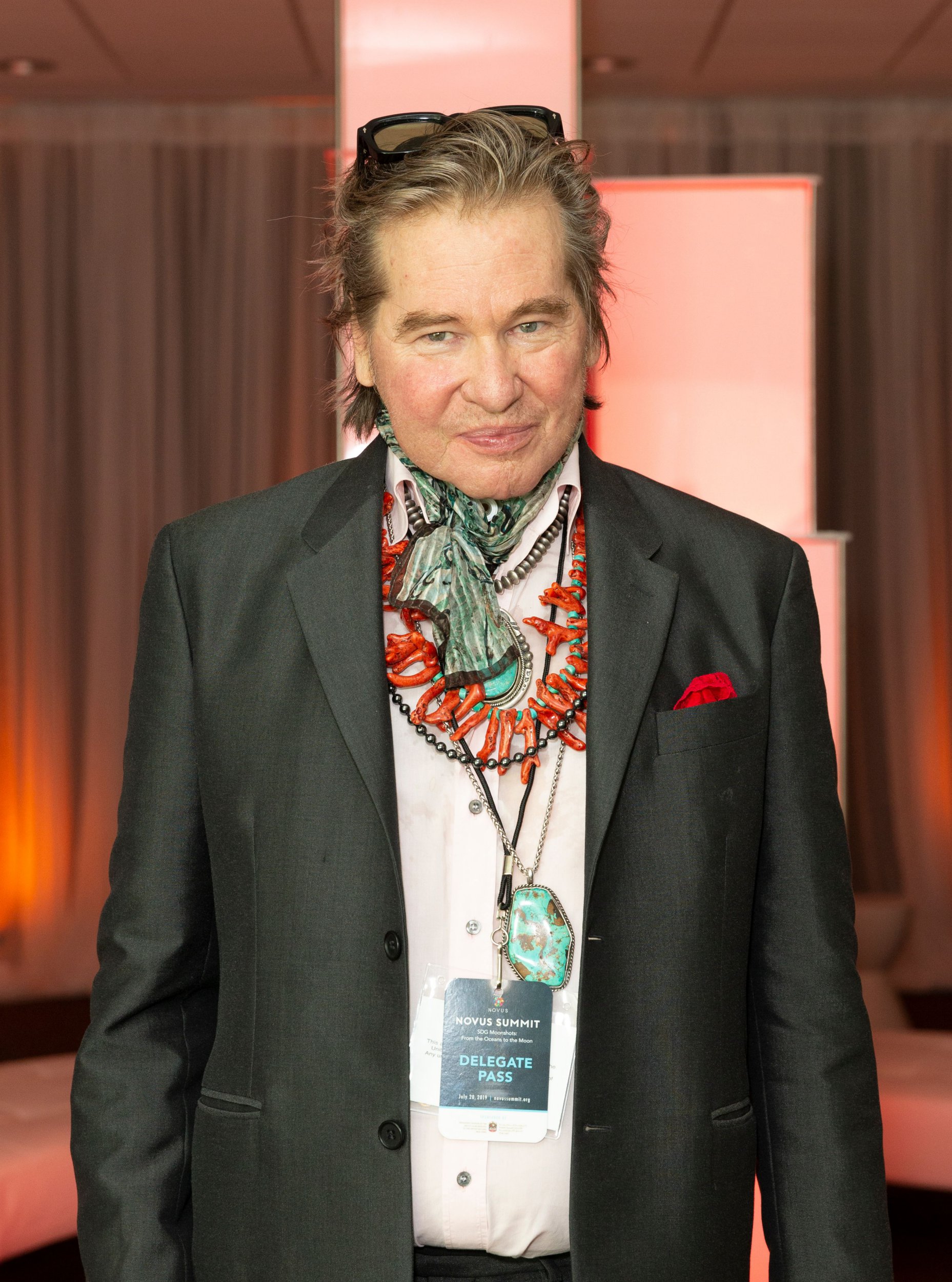
Within this distinguished cast, Father Fintan emerges as a pivotal character. His portrayal is brought to life through a sophisticated digital reconstruction of Val Kilmer. This reconstruction draws upon a wealth of archival imagery and footage from Kilmer’s later years. Furthermore, Kilmer’s distinctive voice, which was notably altered following a tracheal procedure, has also been thoughtfully integrated into the character.
“The character in the film also suffers from tuberculosis,” Voorhees noted. “This historical character mirrored Val’s actual condition… creating a kind of a bridge.”
The journey to complete As Deep as the Grave has been a lengthy one, spanning six years. Production faced considerable delays and interruptions, exacerbated by the global COVID-19 pandemic and the inherent challenges of independent filmmaking. At one point, scenes featuring Father Fintan were even removed from the script entirely due to budget limitations. However, upon reviewing the existing footage, the filmmakers realised the profound void left by the character’s absence.
“We really figured out that this is a major missing element,” Coerte Voorhees stated. “Normally we would just recast an actor… but we can’t roll camera again. We don’t have the budget. So we had to think of innovative ways to do it.”
The AI Frontier: Collaboration and Controversy
This “innovation” places the film squarely at the centre of a widespread and ongoing cultural debate, as artificial intelligence is a topic that elicits strong opinions from nearly everyone in the current landscape. The application of AI in filmmaking continues to be a deeply contentious issue, raising significant concerns regarding consent, the integrity of creative labour, and the potential for the devaluation of human performance.
The Voorhees brothers are acutely aware of the scrutiny their decision has invited. However, they maintain that their approach has been rooted in a foundation of collaboration and profound care. They have emphasised that their work adhered to union guidelines and that Kilmer’s estate was appropriately compensated for the use of his digital likeness.
Mercedes Kilmer offered a poignant perspective on her father’s connection to the film, describing him as “a deeply spiritual man” who resonated with the film’s central themes of discovery and enlightenment. In a statement regarding the family’s decision to permit Kilmer’s “resurrection” through artificial intelligence, she continued, “He always looked at emerging technologies with optimism as a tool to expand the possibilities of storytelling.”
This is not the first instance where Val Kilmer’s enduring legacy has intersected with the realm of artificial intelligence. When he reprised his iconic role as Iceman in the blockbuster Top Gun: Maverick, AI was employed to meticulously recreate his voice. This technological intervention enabled him to deliver his performance despite the physical limitations imposed by his illness. At the time, Kilmer spoke candidly about the profound significance of this experience, stating, “The chance to narrate my story, in a voice that feels authentic and familiar, is an incredibly special gift.”
Nevertheless, the public response to As Deep as the Grave suggests that such advanced technology remains far from universally embraced. Online reactions have spanned a wide spectrum, from outright hostility to a more cautious, albeit intrigued, enthusiasm.
“A textbook example of how bad ai is,” one user declared on X in response to the news. Another commenter dismissed it as “evil stuff,” while others criticised a preview of Kilmer’s digital likeness as appearing “lifeless.”
Conversely, a segment of the audience has expressed sheer excitement at the prospect of seeing more of Val Kilmer on screen, irrespective of the unconventional means through which this opportunity has materialised.