Urgent Call for Meningitis B Vaccine Expansion Following Tragic Student Death
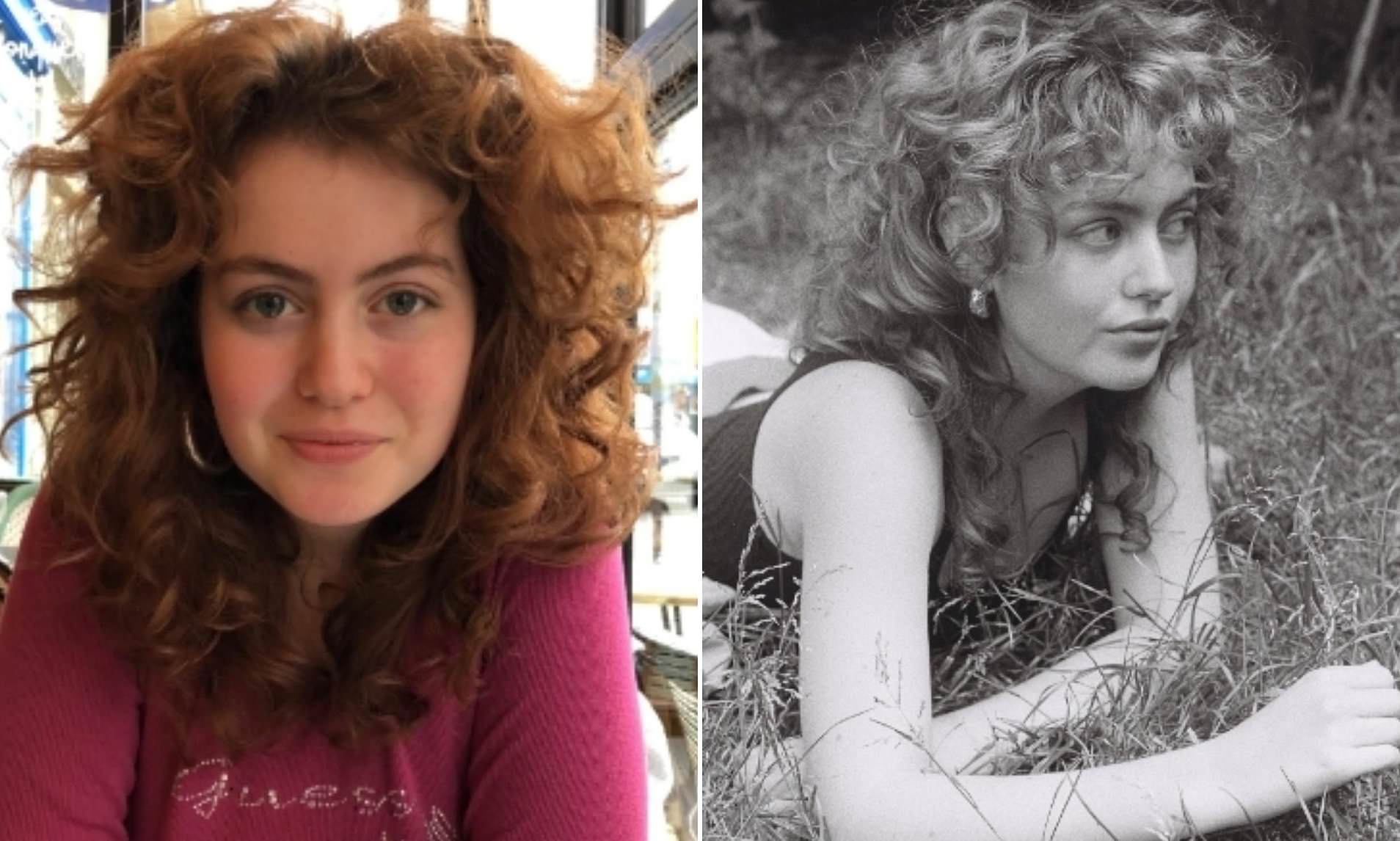
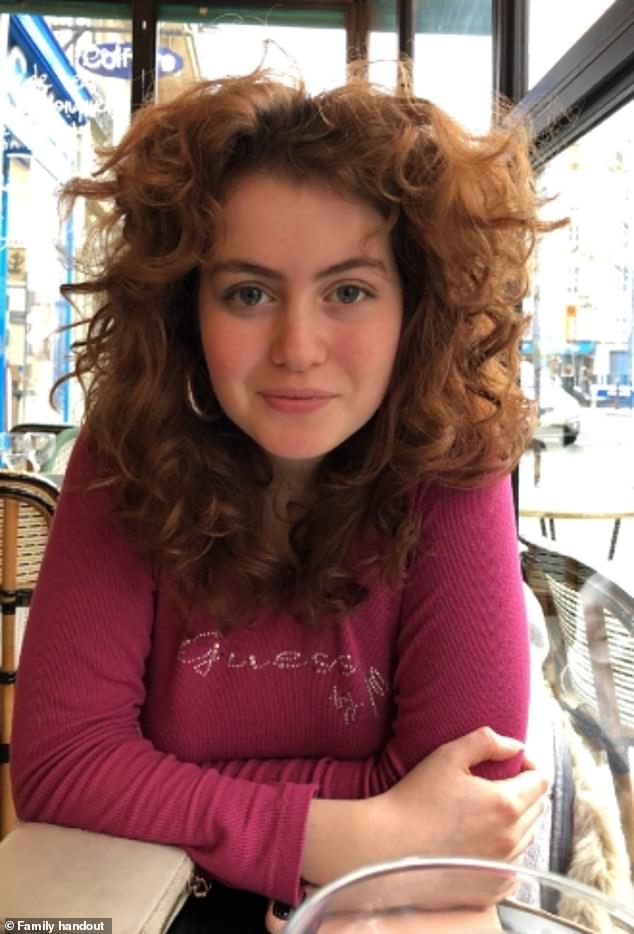
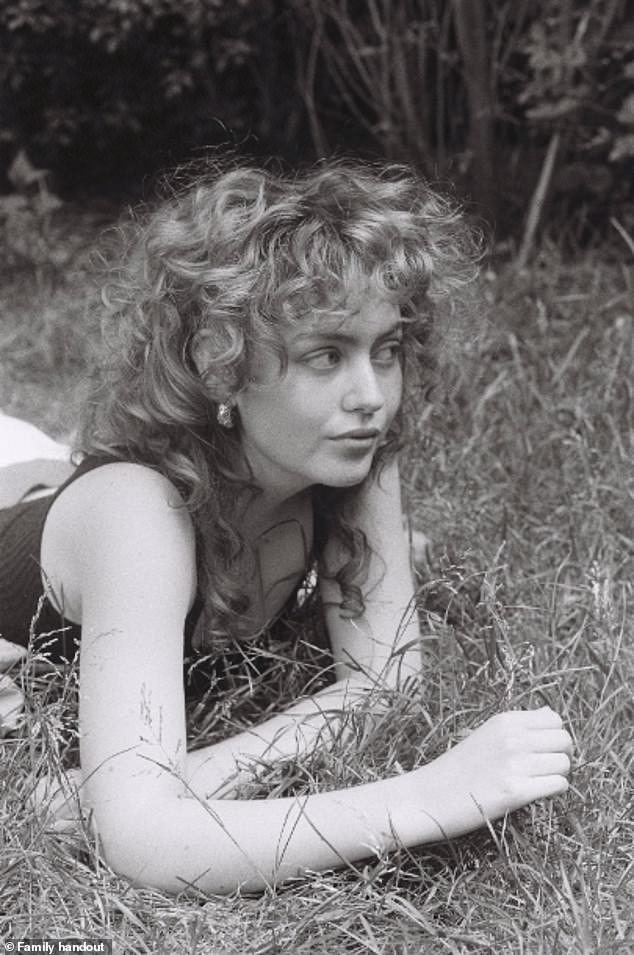
The devastating loss of a young university student to Meningitis B has ignited a fervent plea from her parents for the government to take decisive action and expand access to vital vaccinations. Sophie Ward, a 20-year-old art student from London, tragically passed away after her symptoms were initially misdiagnosed as the flu, despite exhibiting ten classic signs of the deadly infection. Her condition rapidly deteriorated overnight, and by the time she was rushed back to hospital the following morning, it was too late.
Sophie, remembered by her heartbroken family as a “kind and gentle” artist, died less than 24 hours after first showing severe symptoms in July 2023. Her father, Paul Ward, expressed his profound grief and frustration, revealing that he had not realised Sophie was not fully protected against Meningitis B. While she had received vaccinations for strains A, C, W, and Y as a teenager, the MenB vaccine was not part of the routine immunisation schedule for her age group.
This stark reality comes amidst an alarming outbreak of Meningitis B in Kent, where at least two young people have tragically died and 29 cases have been reported. Health officials have described the cluster of infections as “very unusual” and are investigating whether the bacterium has become more transmissible.
Paul Ward, whose daughter was studying at Wimbledon College of Art, voiced his deep concern that young people and their parents are largely unaware of their vulnerability to Meningitis B.
“The government has allowed that state of affairs to persist. They so far haven’t done anything to inform people that they aren’t protected against meningitis,” Mr Ward stated emphatically. He is urging the government to “step up,” even if MenB vaccination isn’t immediately made a scheduled vaccine. He suggested innovative solutions, such as allowing students to receive the jab and incorporate the cost into their student finance, highlighting that there are “ways to do this.”
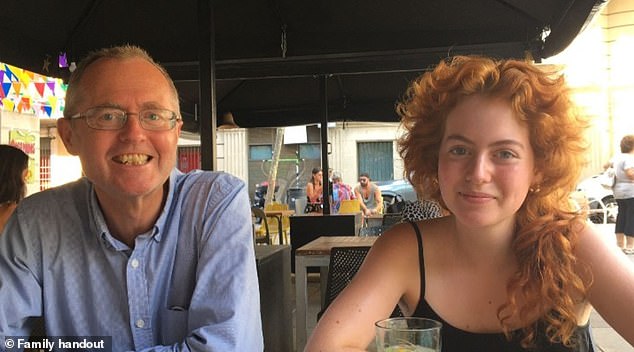
Just days before the current outbreak in Kent gained national attention, Mr Ward had appeared on national television, passionately advocating for all young people to be offered the Meningitis B jab. He lamented, “Sophie should be alive, and if she had had the vaccine for MenB she would be alive. This devastation – it doesn’t have to happen.”
The Gap in Protection: Understanding Meningitis B Vaccination
The MenB vaccine was introduced onto the NHS for babies in 2015. This means that the majority of young people born before its introduction are not protected unless they have received the vaccine privately. Furthermore, the existing vaccination does not provide lifelong immunity, meaning teenagers may require a booster dose by the time they reach university age.
Mr Ward hopes that this tragic series of events will prompt a shift in attitudes towards meningitis, moving away from viewing deaths as rare, isolated incidents. He stressed the need for greater public awareness and concern regarding the dangers of this deadly infection.
“I know the students in Kent appear to be very concerned about Meningitis but I don’t think students in other campuses are as concerned,” Mr Ward observed. “It appears to be quite a localised reaction. I know that infections are extremely rare but that’s the whole point about meningitis. It rarely happens but when it does it is extremely dangerous. You could die and that’s why it is worth having protection. This is not just a Kent thing.”
A Heartbreaking Account of Misdiagnosis and Loss
An inquest into Sophie’s death, held in February of last year at Barnet Coroners’ Court in north London, revealed a series of critical failures. The court heard that the 20-year-old art student was discharged from hospital by medics who told her mother, Alice, that she had a viral infection and “would be safer at home.”
Mr Ward recounted the distressing moments: “At reception Alice said ‘I’m concerned about meningitis’. At triage she said ‘I’m concerned about meningitis’. Then, later to the doctor, she said, ‘I’m concerned about meningitis’. The doctor said it might be flu, you know. He didn’t know what it was.”
Despite these repeated concerns, crucial tests were not performed. Blood, urine, and CT scans all returned clear results, but a lumbar puncture, the definitive test for meningitis, was not carried out.
A jury at the inquest concluded that the decision to discharge Sophie and withhold antibiotics “more than minimally” contributed to her death. The coroner offered his deepest condolences to Sophie’s family, acknowledging that there was nothing more they could have done for her.
Mr Ward has previously voiced his profound concerns about his daughter’s treatment at Barnet Hospital. He highlighted that the doctor’s assessment was based on uncertainty: “The doctor said it might have been a viral infection. He didn’t know what it was, and on that basis he discharged Sophie, and that was an unsafe and defective thing to do. It was a serious mistake and my view, my observation of what happened is this serious mistake didn’t just spontaneously generate. It happened because his approach to Sophie was careless.”
The Timeline of Sophie’s Final Hours
Sophie began to feel unwell on the afternoon of Sunday, July 30, 2023. She complained of aching shoulders, neck, and head, accompanied by overwhelming tiredness and a sensitivity to light. Her mother, Alice, contacted NHS 111, describing Sophie’s symptoms.
“They described Sophie’s symptoms and it was a pretty clear indication or certainly a suspicion of meningitis,” Mr Ward explained. He emphasised the distinct nature of Sophie’s illness: “It wasn’t normal. If someone’s got flu, they feel unwell. It wasn’t like that. Sophie had flu maybe a few times in her life, she wouldn’t go anywhere near a hospital, or, indeed, for that matter, 111. But this was different.”
The inquest also heard that Sophie’s triage at the hospital was delayed by two hours, significantly exceeding the target of 15 minutes. The nurse attending to Sophie stated she could not recall if a doctor had been consulted about her symptoms, despite it often being standard practice to seek a second opinion.
Hospital Response and Future Steps
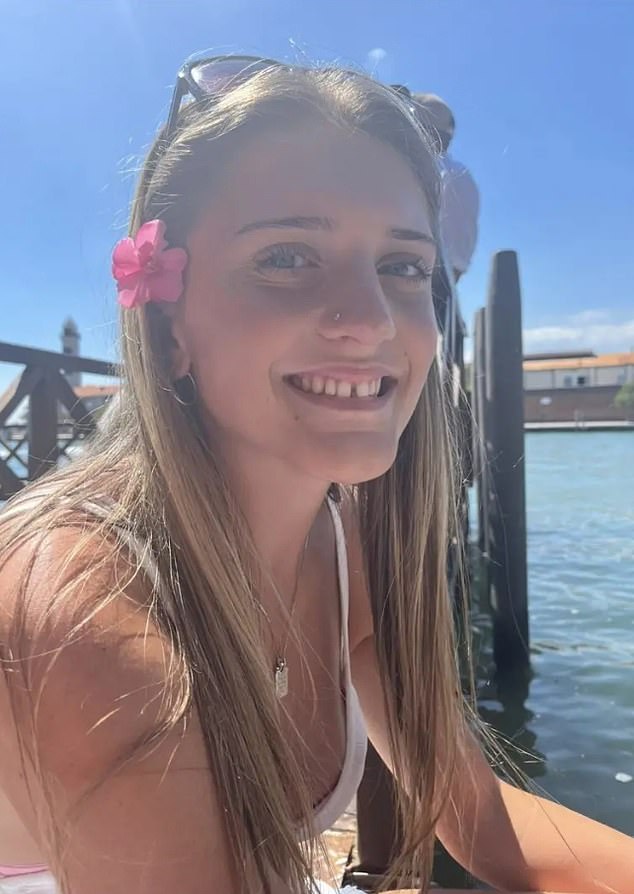
A spokesperson for Barnet Hospital issued a statement expressing their “deepest condolences” to Sophie’s family and apologising for her death while under their care. The hospital stated that they are taking the jury’s findings “extremely seriously” and will conduct a thorough review of the evidence.
“Steps have been taken to improve sepsis and meningitis awareness among our medical staff, including holding a staff learning event to hear from both Sophie’s family and the Meningitis Research Foundation,” the spokesperson added. They also affirmed their commitment to reminding emergency department staff of the availability of senior doctors for advice and the importance of heeding patient and family concerns.
Who is Offered a Meningitis B Jab?
- Infants: Since 2015, babies in the UK have been offered the MenB vaccine in three doses: at eight weeks, 12 weeks, and between 12 to 13 months. This vaccination covers the main subtypes of MenB but not all. Its primary function is to reduce the severity of illness, not to prevent the spread of the bacterium entirely.
- Teenagers and Young Adults: The Joint Committee on Vaccination and Immunisation (JCVI), which advises ministers on vaccination programmes, has previously opted not to include teenagers in the routine vaccination schedule. Their rationale was that the relatively small number of cases prevented did not justify the cost.
- Private Vaccination: Following outbreaks and heightened awareness, demand for private Meningitis B vaccines, which can cost upwards of £200, has surged. However, it’s important to note that it takes several weeks for the vaccine to become effective, meaning individuals vaccinated privately may still be at risk during an ongoing outbreak.
The Department of Health and Social Care has been contacted for comment regarding this critical issue.