Navigating Ageing Hair: Understanding Thinning and Nurturing Growth
As we journey through life and embrace the inevitable changes that come with ageing, subtle shifts in our appearance can sometimes creep up on us. One such common, yet often overlooked, change is a decrease in hair density. While it might start as a minor observation, it can become a more significant concern over time. To shed light on this prevalent issue, we’ve consulted with Ruth Collis, a distinguished trichologist and specialist in platelet-rich plasma (PRP) for hair loss. She offers valuable insights into the primary drivers of age-related hair thinning and explores effective strategies to promote healthier, stronger hair as we mature.
Unpacking the Causes of Age-Related Hair Thinning
Several interconnected factors contribute to the thinning of hair as we get older. Understanding these can be the first step towards addressing the concern effectively.
Hormonal Fluctuations
“As we age and move beyond puberty, our bodies are exposed to hormones for extended periods,” explains Collis. “If there’s an underlying sensitivity, this prolonged exposure can lead to thinning and miniaturisation of our hair follicles.”
For many individuals, particularly women, significant hair changes often coincide with pivotal hormonal life stages.
- Menstrual Cycle and Postpartum: “It varies from person to person, but it’s common for women to notice hair loss and thinning around hormonal milestones such as the onset of menstruation, after childbirth, and then during perimenopause and menopause,” Collis notes.
- Perimenopause and Menopause: “A lot of women find that their hair has been fine for years, but then suddenly, as they reach perimenopause or menopause, the hormonal fluctuations can significantly accelerate hair loss,” she adds.
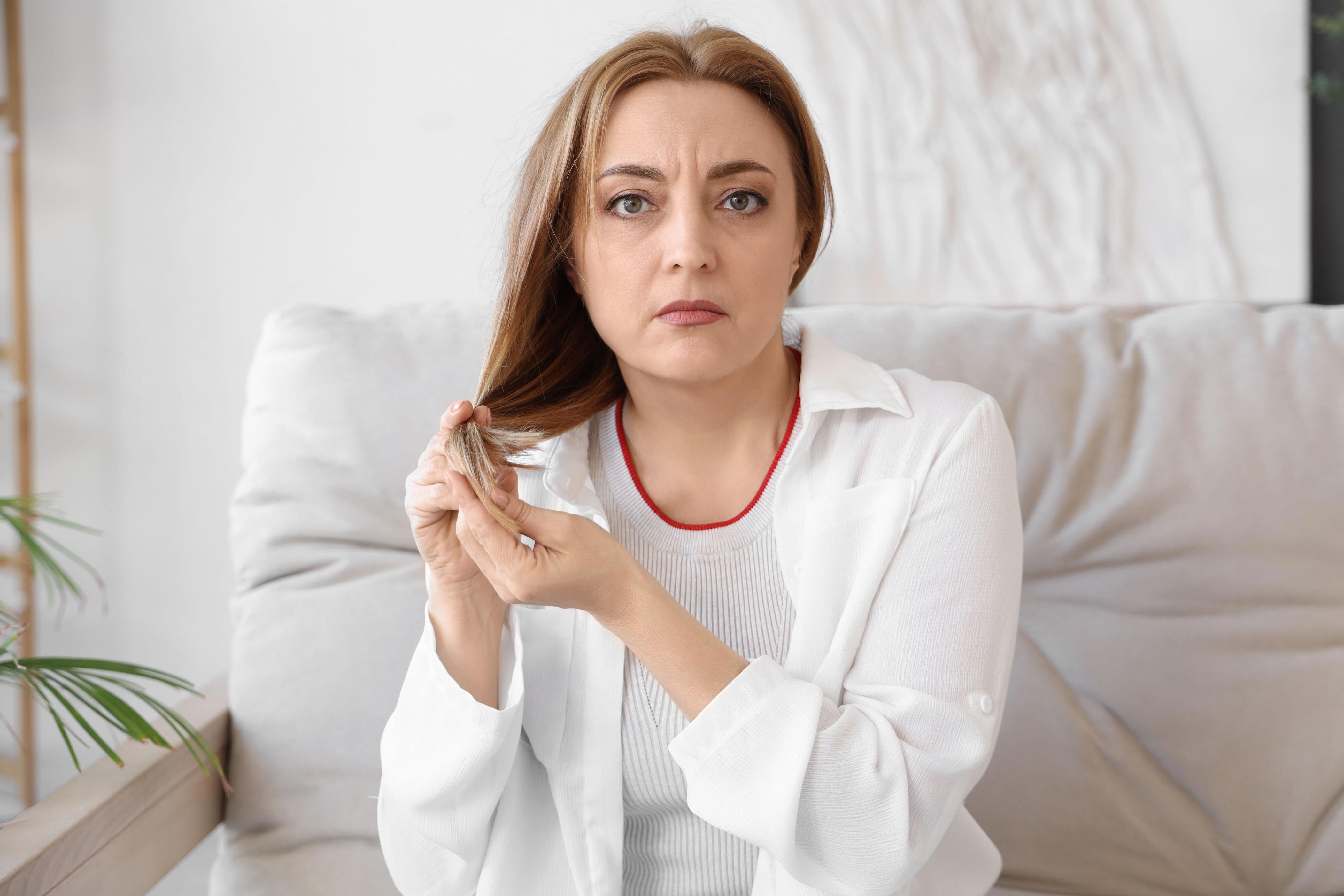
Changes in Cellular Regeneration
Our body’s ability to regenerate cells and heal also undergoes changes with age. “As we age, our cells simply don’t replicate in the same way, and our healing processes aren’t as robust as they used to be,” Collis states. “This naturally has an impact on the overall quality of our hair.”
Environmental and Lifestyle Factors
It’s not solely about genetics; our daily habits and environmental exposures play a crucial role.
- Lifestyle Choices: “It’s not always just genetic. Things we do day-to-day, such as drinking alcohol and smoking, can exacerbate hair thinning and negatively impact hair health,” Collis points out. “Over time, the cumulative effects of these habits can become quite pronounced.”
- Medication Side Effects: Certain medications can also influence hair health. “There’s a definite correlation between medication and hair quality,” Collis advises. “When you initially start many medications, they can trigger shedding, which may even out over time. However, some types are well-known for causing finer hair or reduced hair growth as a side effect.” She specifically mentions thyroid medication as an example that can impact hair.
Nutritional Deficiencies
Deficiencies in essential nutrients can directly affect hair vitality.
- Iron Deficiency: “Iron is fundamental for producing haemoglobin, the component responsible for transporting oxygen to the hair follicles,” Collis explains. “Hair follicles are highly metabolic, demanding significant energy and oxygen to function optimally. Therefore, a long-standing iron deficiency will inevitably manifest in the hair over the long term.”
Identifying the Early Signs of Hair Thinning
Recognising the initial signs of hair thinning can empower individuals to seek solutions sooner rather than later.
- Visible Scalp and Widening Partings: “Many women begin to notice a more visible scalp or a parting that appears to be widening,” Collis highlights.
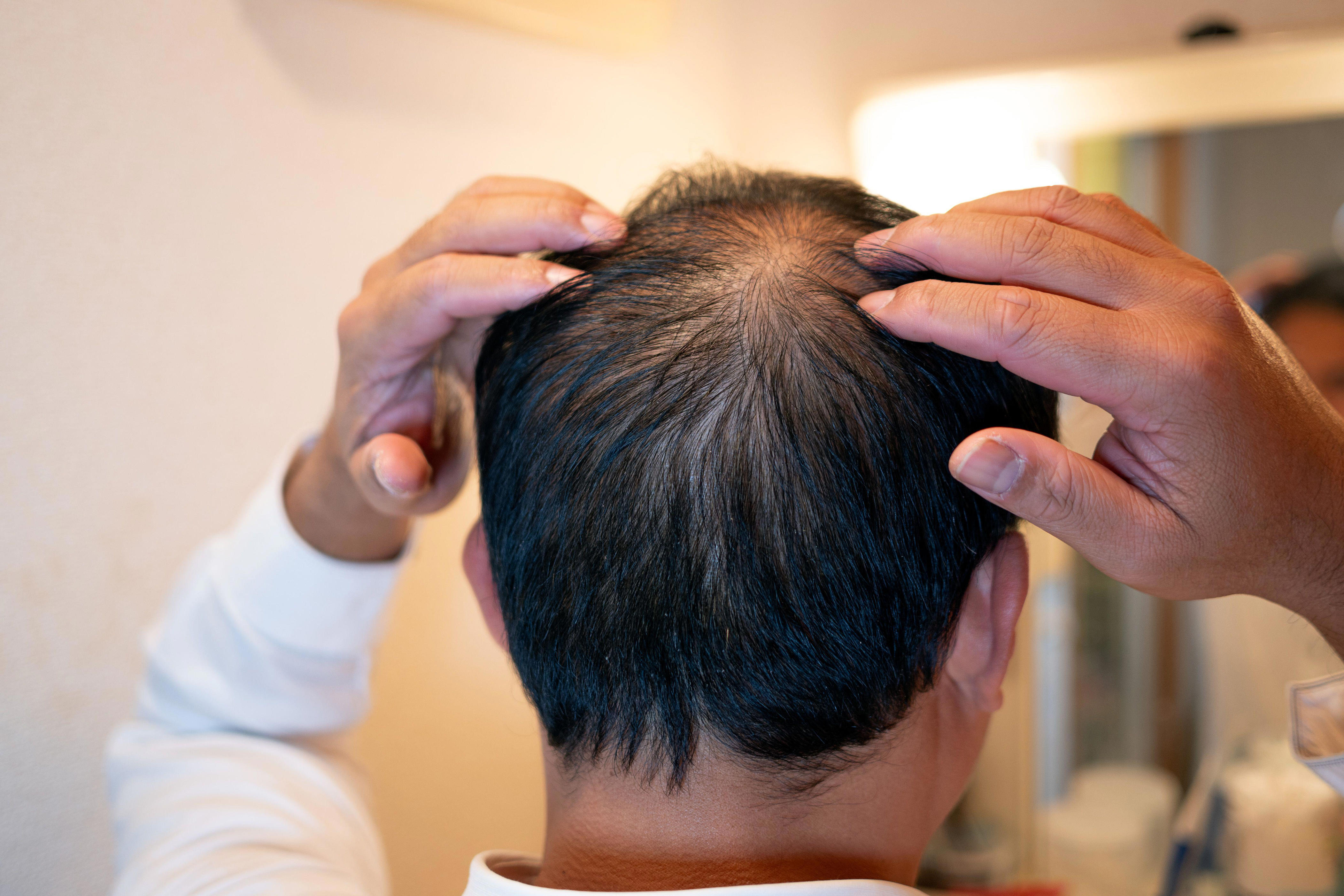
- Receding Hairlines and Crown Thinning (Men): “Men tend to initially observe a receding hairline, the appearance of bald patches, or that the crown area is becoming more prominent,” she adds.
- Reduced Ponytail Volume and Styling Challenges: “People might also start to notice that their ponytail is becoming thinner or slimmer, or that their hair is more difficult to style and hold its shape due to a reduced volume of hair,” Collis says.
Strategies for Healthier, Stronger Hair as You Age
Fortunately, proactive steps can be taken to maintain and improve hair health throughout the ageing process.
Prioritising Foundational Well-being
“The absolute key is to get your basics right,” Collis emphasises. “If your sleep quality is poor and your nutrition is lacking, it will directly impact your hair because hair is essentially a barometer of your overall health. I always advise my patients to think of themselves like a toddler: Have you had enough food today? Have you had enough water? Have you had enough sleep?”
Nourishing Your Body from Within
- Balanced Diet: “Consuming a wide variety of fruits, vegetables, nuts, seeds, and legumes, and ensuring adequate intake of fibre and protein, is crucial for optimal hair health,” Collis recommends.
Cultivating Supportive Relationships
- Managing Stress: “Chronic stress can have a significant detrimental effect on our hair health,” Collis notes. “It’s therefore important to spend time with people who make you feel cared for and loved, as the hormone oxytocin is highly effective at counteracting stress.”
Embracing the Outdoors
- Vitamin D Importance: “A significant number of people are deficient in Vitamin D, particularly in regions with less consistent sunshine, and Vitamin D plays a vital role in hair health,” Collis explains. “It is instrumental in reducing inflammation, regulating circadian rhythms, and combating elevated cortisol levels associated with stress.”
Maintaining a Healthy Scalp Environment
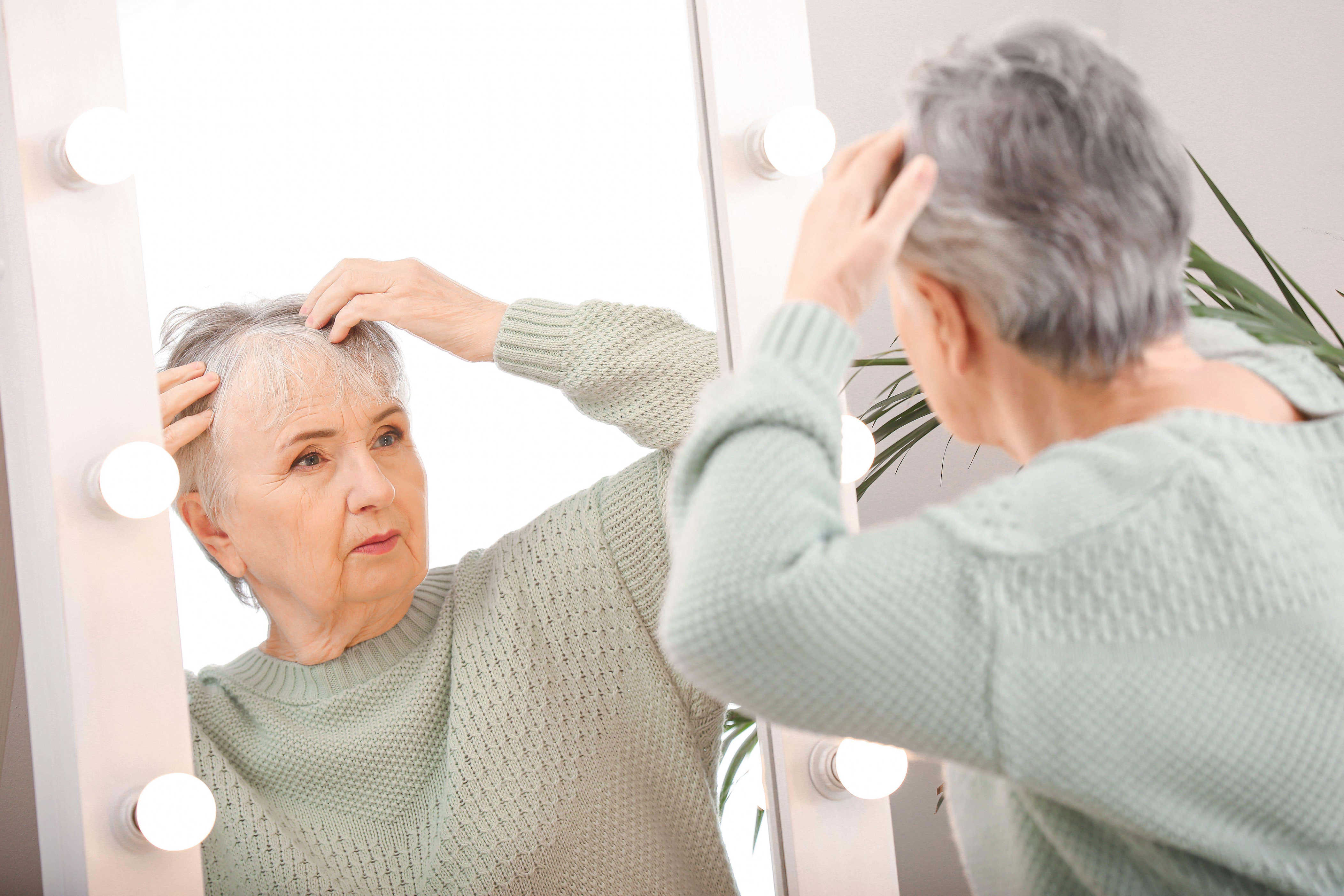
- Cleanliness is Key: “For optimal hair growth, it’s essential to ensure your scalp is clean and healthy,” Collis advises. “A clean scalp provides a favourable environment for follicles to thrive.”
Protecting Your Scalp from the Elements
- Sun Protection: “If your hair is thinning, it’s crucial to protect your scalp from the sun, especially in hot weather,” Collis warns. “Your scalp is the highest point of your head and is prone to sunburn. Wearing a hat or seeking shade during peak sun hours is highly recommended.”
Seeking Professional Guidance
- When to Consult a Professional: “If you notice any drastic changes to your scalp or hair, it’s important to seek investigation from a professional,” Collis strongly advises. Early diagnosis and intervention can lead to more effective management of hair concerns.