Rising Tick Activity and Health Concerns
As temperatures rise, scientists are issuing urgent warnings about the increasing threat of ticks. Nicole Baumgarth, a professor of immunology and infectious disease at Johns Hopkins Bloomberg School of Public Health, highlights that “unfortunately, it seems that we are in for a very bad year” when it comes to tick-related health issues.
The Centers for Disease Control and Prevention (CDC) has observed a significant increase in emergency room visits due to tick bites, particularly in April. According to the CDC’s tracking system, the weekly rates of ER visits for tick bites were the highest recorded since 2017, with this trend observed across all regions of the country except the south-central United States.
“These numbers are only the tip of an iceberg of tickborne illnesses that we have seen so far this year,” said Baumgarth, director of Johns Hopkins’ Lyme and Tickborne Diseases Research and Education Institute.
The Dangers of Ticks
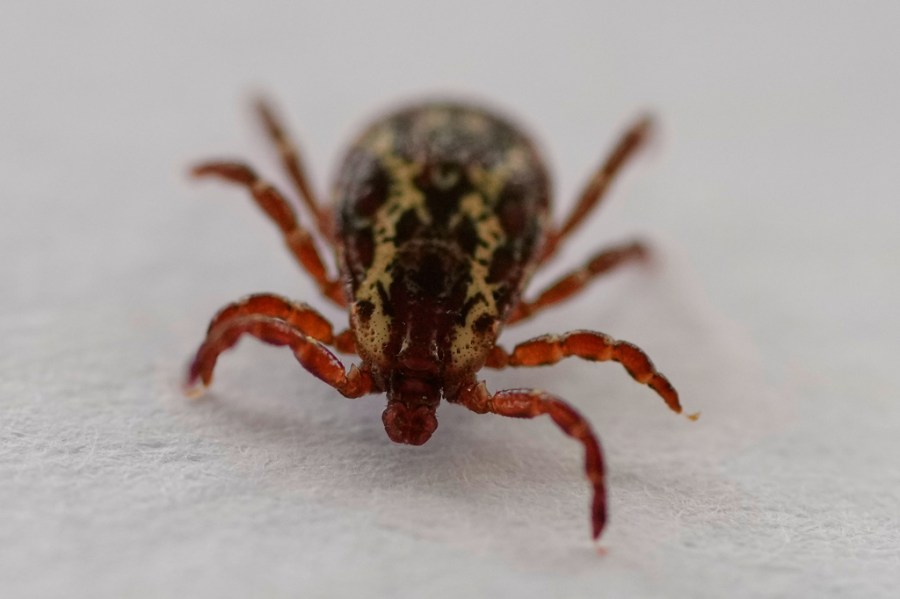
Ticks, small bloodsucking insects, pose a serious health risk not because they feed on blood but because they can transmit dangerous diseases such as Lyme disease, Rocky Mountain spotted fever, and alpha-gal syndrome, which can cause an allergy to red meat.
The spread of these diseases is becoming more concerning as tick populations continue to grow. While there is a vaccine in development for Lyme disease, it is still in the testing phase and not yet available to the public. Even if it becomes available, it would require three shots plus an annual booster, making some public health experts cautious about its widespread use.
“It’s unlikely that the broad communities – all but the most enthusiastic outdoors people – are going to pick up this vaccine,” Baumgarth said. “We see an increasing number of tick infections, tickborne illnesses every year… and it’s unlikely this trend is going to change.”
Factors Contributing to Tick Population Growth
Several factors contribute to the rise in tick populations. Climate change is a major factor, as ticks thrive in warm, humid conditions. A milder winter can lead to higher tick survival rates, and as the climate continues to warm, ticks are able to survive further north than in previous decades.
Additionally, the availability of hosts such as deer and mice plays a role. Baumgarth noted that the white-footed mouse population is thriving, and this rodent is a preferred host for the tick that transmits Lyme disease.
Preventive Measures Against Ticks
To protect against ticks and the illnesses they carry, the CDC recommends several preventive measures:
- Avoid areas with tall grass, bushes, or woods where ticks are commonly found
- Treat clothing with 0.5% permethrin, an insecticide
- Use insect repellents containing DEET, picaridin, or oil of lemon eucalyptus
- Check clothing for ticks after coming indoors
- Dry clothes on high heat for 10 minutes to kill any ticks that may be on them
- Check pets for ticks regularly
- Take a shower within two hours of returning indoors to reduce the risk of Lyme disease
- Perform a full body check, including under the arms, around the ears, hairline, belly button, and back of the knees
These steps can significantly reduce the risk of tick bites and the associated health threats. As tick activity continues to rise, staying informed and taking preventive action is more important than ever.