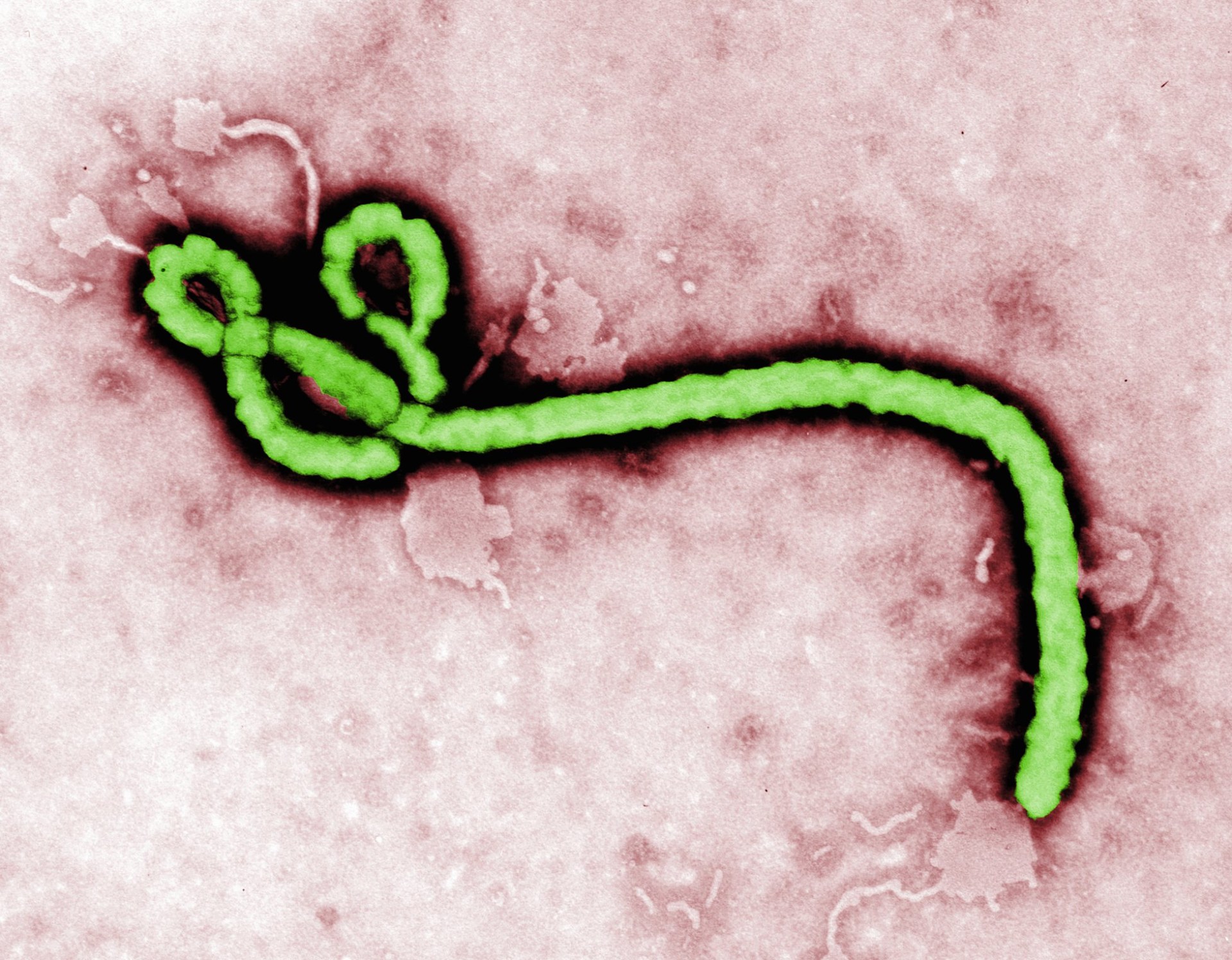
An outbreak of Ebola in the Democratic Republic of the Congo and Uganda has been declared a public health emergency of international concern. The situation has seen over 300 suspected cases and 88 deaths reported, prompting urgent action from global health authorities.
In a recent statement, the World Health Organization (WHO) emphasized that this outbreak does not meet the criteria for a pandemic emergency like the one caused by COVID-19. As such, the WHO has advised against closing international borders. However, it has confirmed that the current outbreak is caused by the Bundibugyo virus, a rare variant of Ebola that lacks approved therapeutics or vaccines.
This marks only the third time the Bundibugyo virus has been recorded, despite more than 20 previous Ebola outbreaks in the region. The initial spread of the disease was first reported in the eastern province of Ituri in the Democratic Republic of the Congo, close to the borders of Uganda and South Sudan.
Sign up for all of the latest stories
Start your day informed with our News Updates newsletter or get Breaking News alerts the moment it happens.
On Saturday, the Africa Centres for Disease Control and Prevention reported 336 suspected cases and 87 deaths. Most of these cases are linked to the Democratic Republic of the Congo, with only two cases reported in neighboring Uganda. Uganda confirmed one case, which was imported from the Democratic Republic of the Congo. The patient died at a hospital in the capital, Kampala.
The WHO also reported a second case in Kampala, with no apparent connection between the two patients. Both individuals had traveled from the Democratic Republic of the Congo.
The Bundibugyo virus was first identified during an outbreak in Uganda’s Bundibugyo district between 2007 and 2008. That outbreak infected 149 people and resulted in 37 deaths.
What is Ebola?
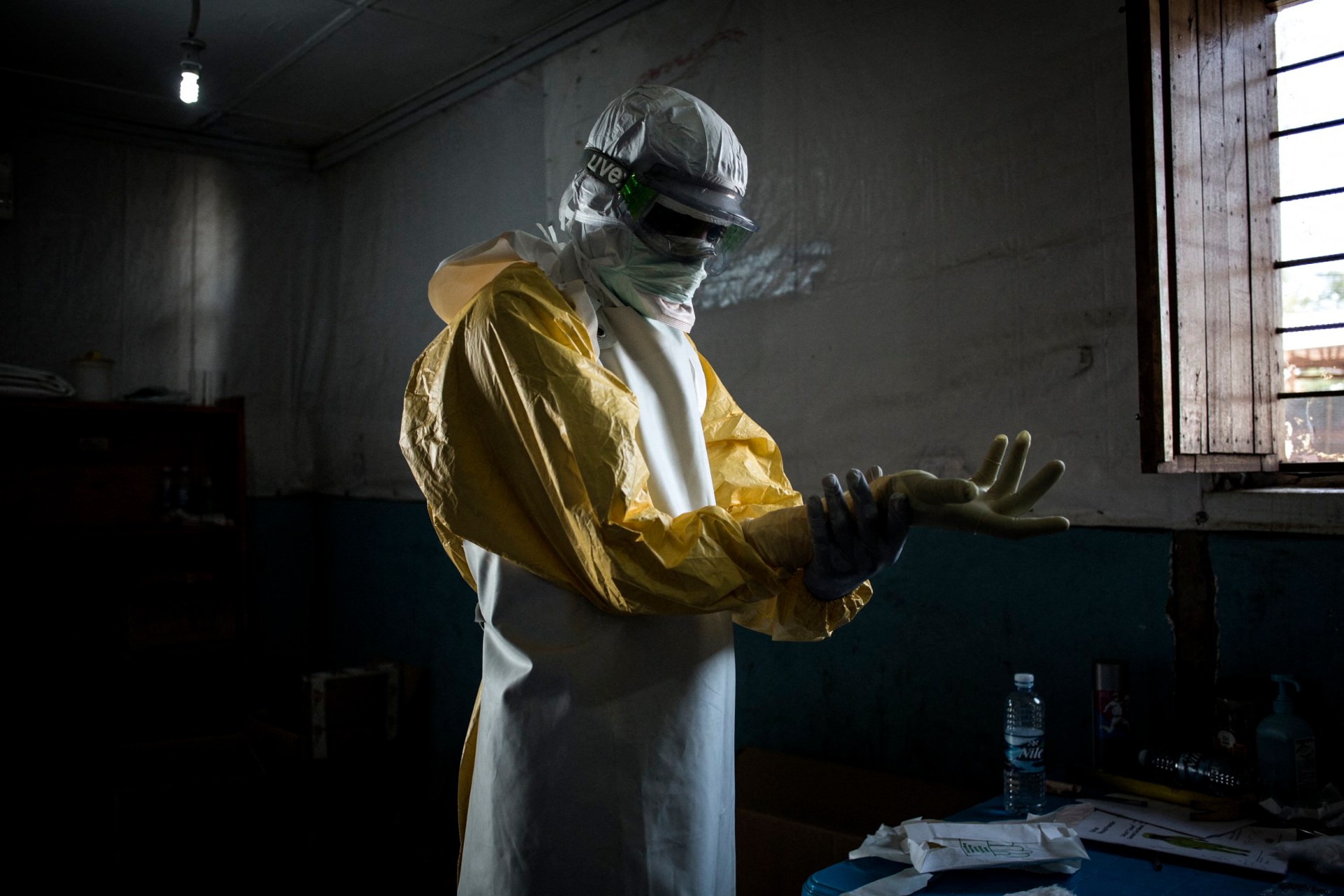
The World Health Organization defines Ebola virus disease (EVD), previously known as Ebola haemorrhagic fever, as a rare but severe and often fatal illness in humans. It is transmitted from wild animals to people and then spreads through human-to-human contact.
The average fatality rate for EVD is around 50 per cent, though past outbreaks have shown rates ranging from 25 per cent to 90 per cent. Transmission occurs through direct contact with the bodily fluids of an infected person, typically through broken skin or mucous membranes.
A person infected with Ebola cannot spread the disease until they begin showing symptoms. Controlling an outbreak relies on a combination of measures, including effective case management, infection prevention and control practices, surveillance, contact tracing, laboratory services, safe and dignified burials, and social mobilization.
Early supportive care, such as rehydration and symptomatic treatment, can improve survival rates. While there is currently no licensed treatment that can neutralize the virus, several blood-based, immunological, and drug therapies are under development.
The WHO recommends using gloves when handling individuals infected with Ebola and practicing safe sex to prevent transmission.
Comment now
Comments
Add as a Preferred Source on Google
Add as preferred source
Stay up to date with the stories everybody’s talking about by signing up to our News Updates newsletter.