The Impact of Private Health Insurance Cuts on Older Australians
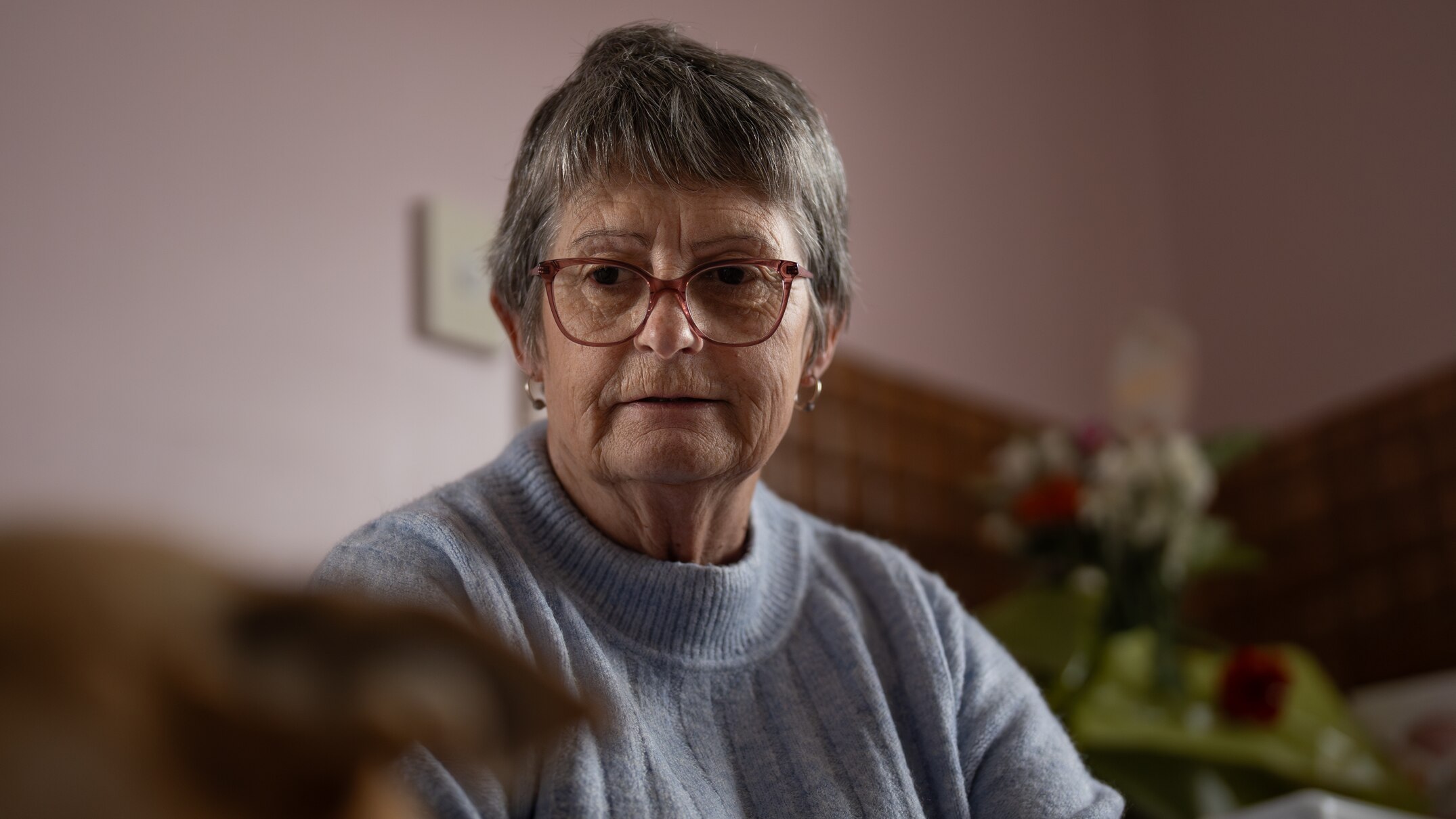
Denise Peters, a disability pensioner, places significant value on her private health insurance. It has been instrumental in covering the costs of a hip replacement and two knee operations, along with other necessary surgeries. For her, the insurance is more than just a financial safety net—it’s like a “security blanket.” She emphasized that losing it would be devastating.
The federal government recently announced changes to private health rebates for older Australians, aligning them with those for people under 65. This move means that around 3.2 million older individuals will now pay an additional $226 to $255 annually. It is estimated that 44,000 older Australians may drop their private health insurance as a result.
For Denise, maintaining her insurance is crucial, but it will be a challenge. She is already making difficult choices, such as skipping meals and relying mostly on soup. She fears that her food budget will become even tighter. “I don’t think it’s fair; it’s going to hurt a lot of pensioners,” she said.
Generational Inequality and ‘Boomer Bashing’ Concerns
The government has framed the rebate cuts as a way to address generational inequality. During a speech at the National Press Club, Health Minister Mark Butler highlighted that the higher rebates for older Australians were introduced by the Howard government in 2004 during the China boom. He argued that by 2026, this policy is harder to justify.
“Two households on the same income receive different levels of government support based solely on their age. That’s simply not fair,” Mr. Butler stated. The savings from the rebate reductions are expected to amount to about $3 billion over the forward estimates, or $11 billion over a decade. These funds will be used to expand aged care services, including 5,000 additional beds and at-home supports.
However, many older Australians are concerned about the rhetoric surrounding the decision. Chris Grice, CEO of National Seniors Australia, criticized the government’s narrative, calling it “boomer bashing.” He pointed out that the issue is not about age but wealth. “This isn’t an age situation, it’s a wealth situation, it’s rich versus poor,” he said.
National Seniors Australia estimates that a gold-level hospital policy (for a couple over 70) costing $7,000 will increase by $830 per year due to the changes. In addition, private health insurance premiums increased by around 4.41% in April this year. Mr. Grice warned that these changes could lead to more people dropping their private health insurance, which would negatively impact the entire healthcare system.
Pressure on State Hospitals
State governments are also worried about the potential consequences of the rebate reduction. Tasmania, with its aging population and higher rates of chronic disease, is particularly concerned. Residents already face long wait times for elective surgeries in public hospitals. There are fears that the demand on the health system will only grow under the new policy.
Tasmanian Health Minister Bridget Archer noted that the system is already under pressure from long-stay older patients. “It’s an issue we’ve continued to raise in negotiations, and they remain unresolved,” she said.
Zanfina Ademi, head of Health Economists at Monash University, acknowledged that the policy makes sense from a federal budget perspective. However, she cautioned that such policies can have broader implications. “These kinds of policies don’t operate in isolation. If behaviour changes, the costs don’t disappear, they shift,” she said.
Professor Ademi also raised concerns about the potential costs associated with people dropping private health insurance and delaying preventative care. “There is a risk that conditions are managed later, when they are more complex and expensive to treat,” she explained.
Government’s Stance and Parliamentary Response
The changes to the rebates require legislation to pass through the federal parliament. Shadow Health Minister Anne Rushton has already expressed opposition to the proposal. If the Liberals decide to block the changes in the Senate, they would need support from the Greens and at least four crossbenchers.
Addressing the issue in parliament, Mr. Butler described the decision as “difficult” but stressed that the savings are necessary. “We have to find every dollar we can to invest in those aged care services,” he said.