Understanding the Hantavirus Outbreak and Quarantine Measures
As more than 40 Americans remain in quarantine for up to six weeks following a hantavirus outbreak aboard a cruise ship, former patients who spent time inside some of the nation’s highest-security medical isolation units during previous viral contagions are sharing what it’s like to endure weeks cut off from the outside world. This situation has brought back memories of past experiences with isolation, particularly for those who have been through similar situations.
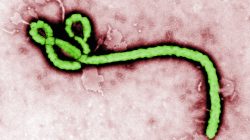
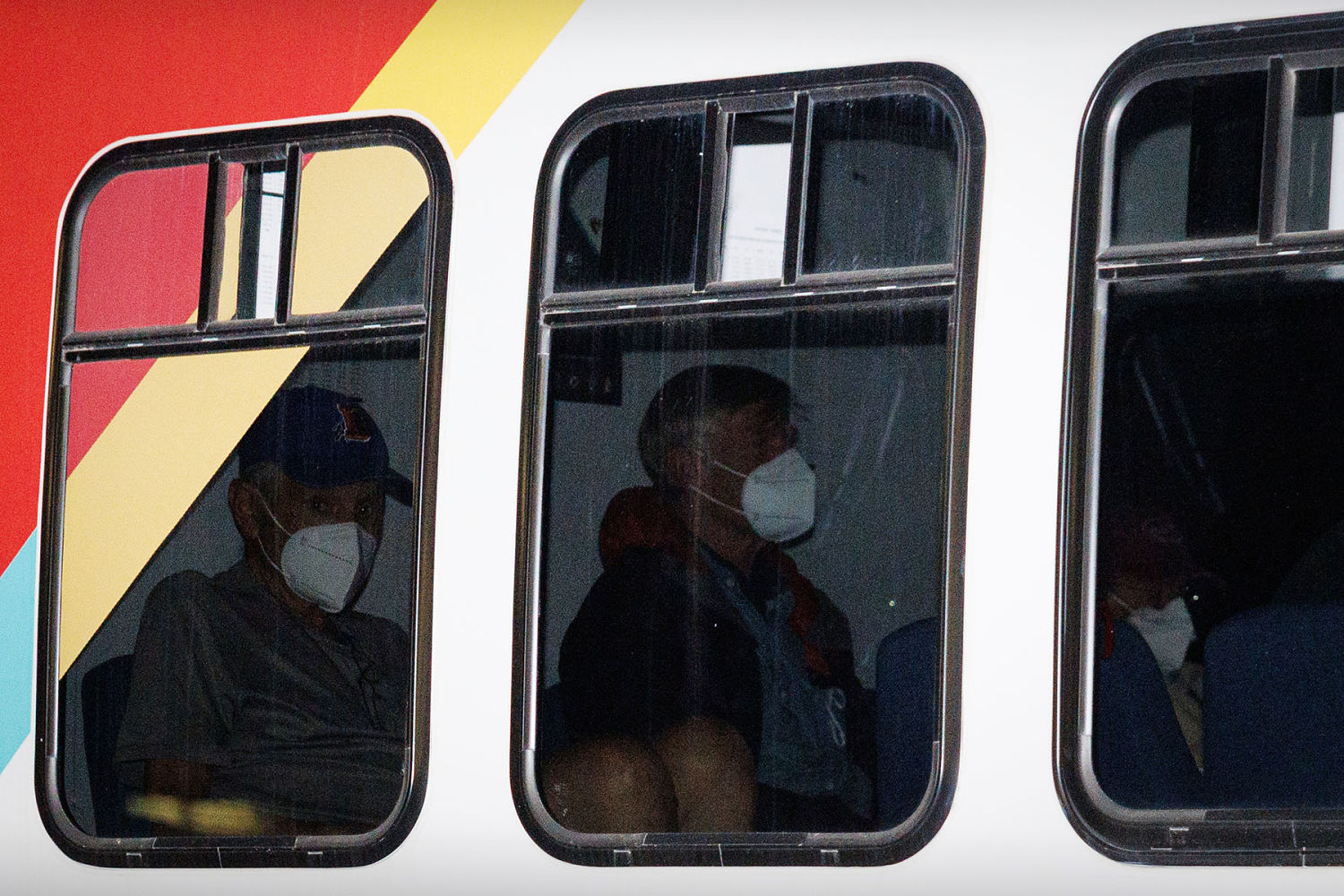
Dr. Kent Brantly, who spent weeks in isolation after contracting Ebola in 2014, shared his insights with NBC News. He emphasized that those affected by the current situation are in the best hands possible. “They are in the best place to be taken care of,” he said. The outbreak has resulted in three deaths and 10 cases since it was first identified aboard the expedition cruise ship MV Hondius during its monthlong voyage in early May. The 18 Americans aboard the ship arrived stateside on Monday after days inside their cabins, before returning to quarantine in facilities designed to house people exposed to infectious diseases.
Experiences from Past Isolation Units
Two patients were being monitored at Emory University Hospital in Atlanta before joining the 16 others on Friday at the National Quarantine Unit at the University of Nebraska Medical Center in Omaha. None of the Americans has tested positive for the virus, though they could remain isolated for up to 42 days, according to the World Health Organization.
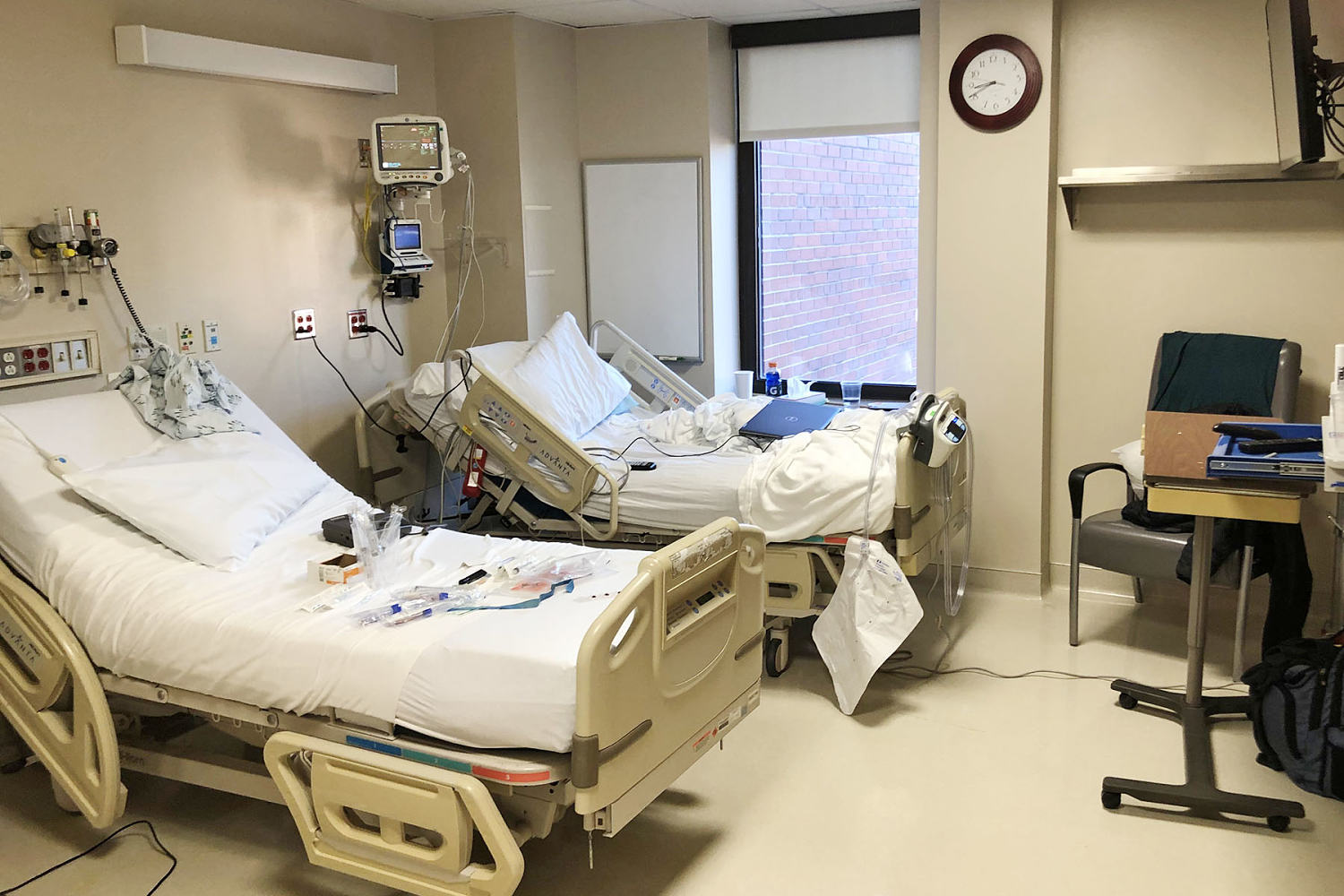
Brantly is among the few Americans who can relate to the cruise passengers’ ordeal. After contracting Ebola during a mission trip to Liberia in 2014, he spent three weeks inside Emory University Hospital’s biocontainment unit. The 11-bed unit, opened in 2005, has a dedicated laboratory and HEPA-filtered, negative-pressure rooms that prevent pathogens from escaping into all patient rooms.

Life Inside the Biocontainment Unit
As the first American Ebola patient to be treated at the facility, Brantly lived in a “decent-sized hospital room with its own bathroom” outfitted for intensive infection control. He was monitored around the clock, and a nurse wearing personal protective equipment was constantly at his bedside. He was hooked up to monitors tracking his vital signs and administered IV fluids, underwent frequent blood draws and received an experimental treatment that had previously only been tested on animals.
“The team of doctors that attended to me were consummate professionals and experts in their field, but also just really incredible people,” Brantly said. Once he began regaining strength, nurses coached him through physical therapy exercises from inside the room. To pass the time, they played Nerf basketball together and spent hours talking about faith, family and life outside the hospital walls.
Personal Stories from Quarantine
Among them is Jake Rosmarin, a Boston-based social media creator who boarded the Hondius for a “content work trip” and has been inside Nebraska’s National Quarantine Unit since Monday. The only federally funded quarantine unit in the country features 20 single-occupancy rooms, each with a special air pressure system that filters clean air into each room. The building’s biocontainment unit, across the street, can fit up to 10 patients in five rooms. Currently, one of those rooms is being used as an in-house lab.
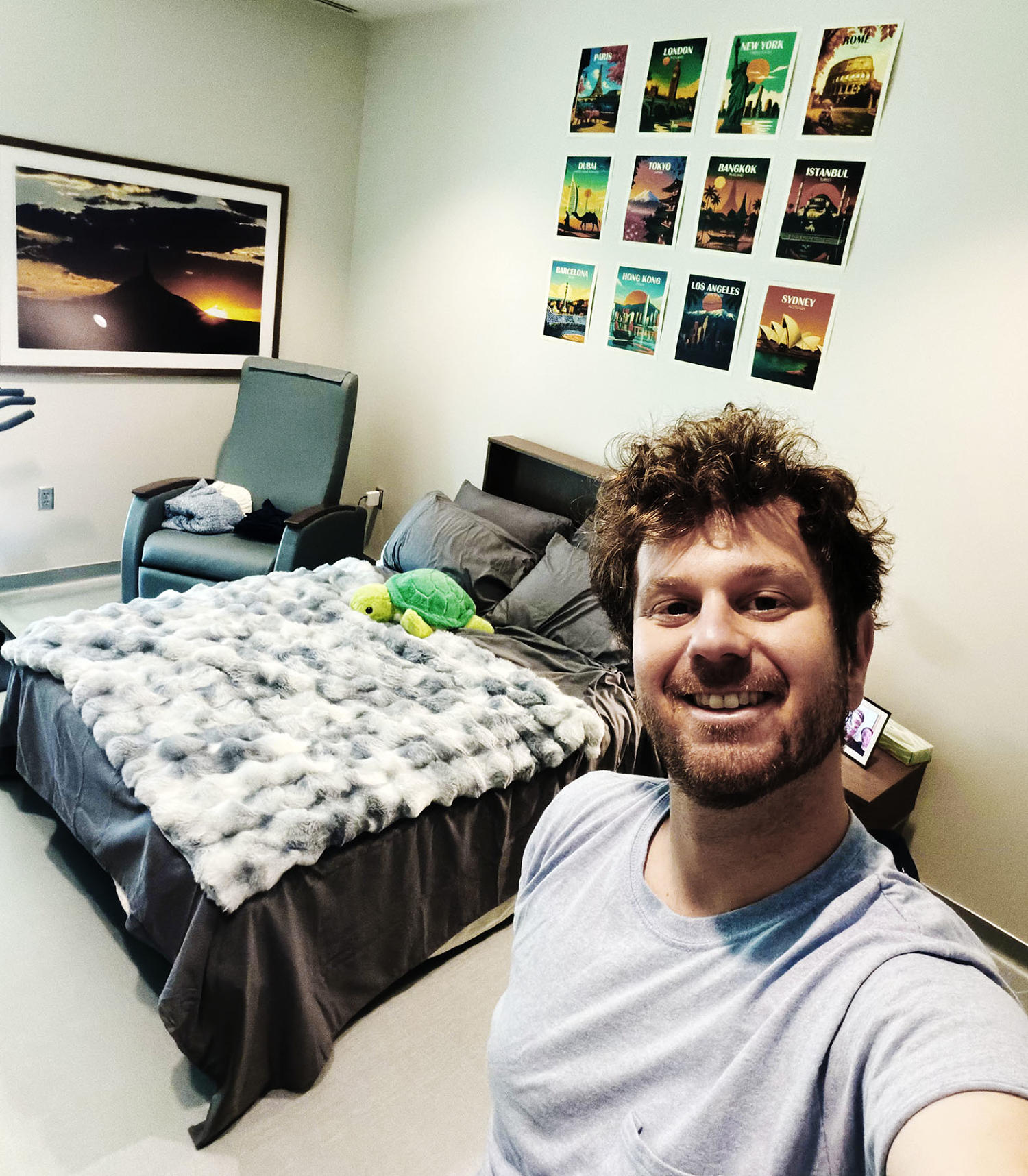
Since entering the unit, Rosmarin has been providing an inside look at life in quarantine via Instagram, with room tours, day-in-the-life videos and documentation of his first sip of iced coffee in weeks. His room inside the Omaha facility includes a bed, a smart TV and a spin bike. Nurses deliver three meals a day, but he said he is allowed to order takeout — including Chipotle, which he was looking forward to ordering when he spoke to NBC News earlier this week.

Adapting to Quarantine Life
Rosmarin has decorated one wall with posters of major cities, added a blanket and a stuffed animal to his bed, and set up a tea station on one counter. From family care packages, Rosmarin said he has been enjoying puzzles and a charcuterie board he had to break down into zip-close bags because it was too big to finish in one sitting. In his latest video, he was seen enjoying a fresh iced vanilla latte that he made in his quarantine room, thanks to an espresso machine he has acquired.
“I can sulk in my bed and just be sad and be like, ‘Wow, I’m stuck here for six and a half weeks,’ or I can be like, ‘OK, they’re letting me do all these things, we’re being well taken care of, we’re being fed,’ and just kind of start counting down,” he said. “If I’m not positive, I mean, what’s the point?”
Positive Mindset and Support Systems
That positive mindset may be key, given that Rosmarin plans to stay at the Omaha facility throughout the 42-day incubation period for the virus. So far, he said, he has tested negative and is feeling good. Health officials in the U.S. have encouraged those in quarantine to remain in the medical facilities until that time expires, but have said that patients can leave and self-isolate at home if they so choose.
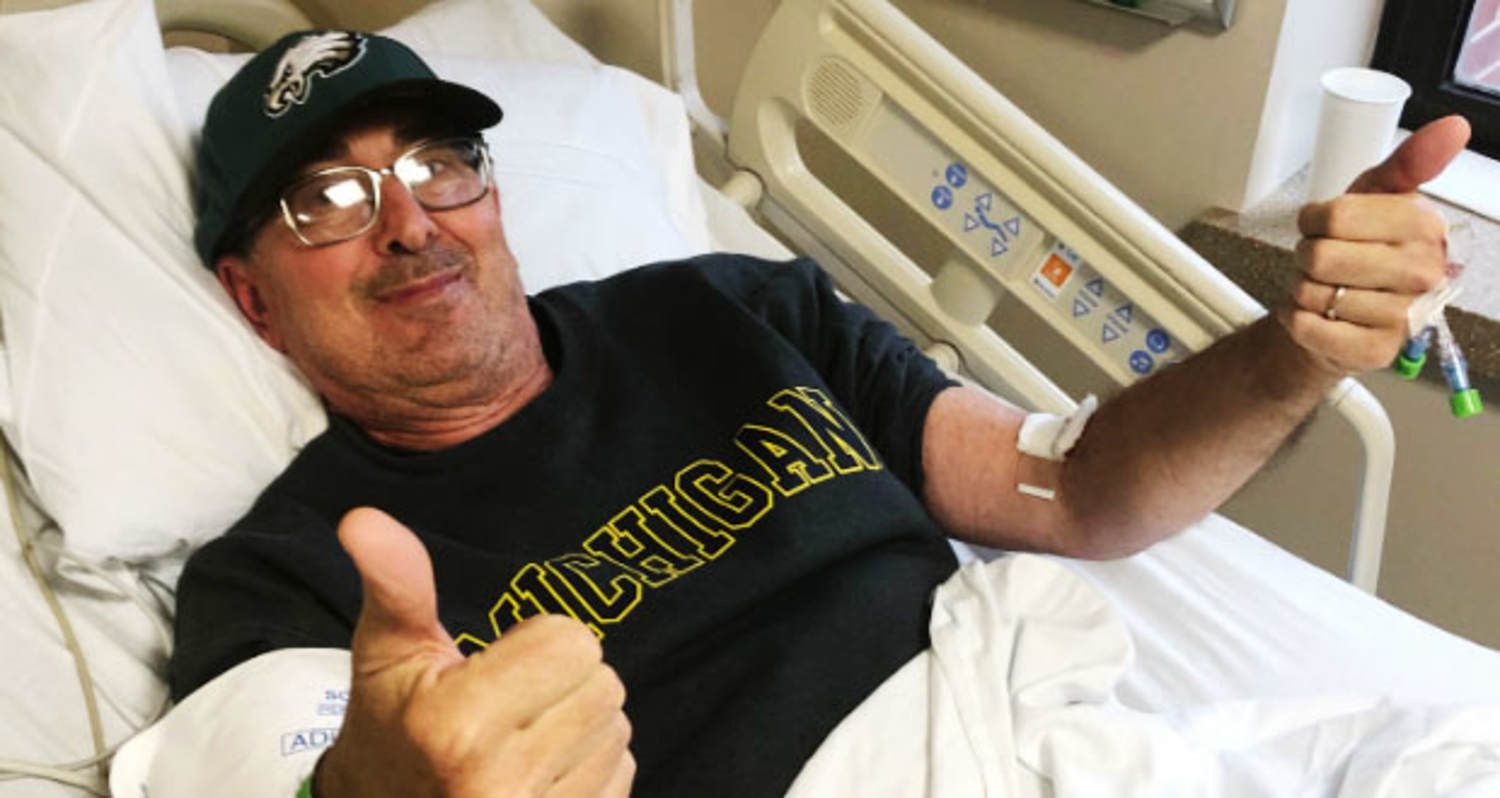
Carl Goldman, who spent a month in Omaha after contracting Covid-19 during a voyage on the Diamond Princess cruise ship in February 2020, also had a similar experience. After quarantining on the ship for two weeks, he and about 300 other Americans were flown back to the U.S. It was on the flight that he came down with the deadly virus.
Reflections on Isolation and Recovery
For 10 days, Goldman was housed in the biocontainment unit at UNMC, which he said felt “like a scene out of the movie ‘The Andromeda Strain.’” The 20-by-15-foot “surrealistic” room was double-sealed, and everyone who entered had to wear a hazmat suit. Doctors did not administer medication, but he was constantly served Gatorade. The blue was better than the purple, he said.
He passed the time by blogging about his experiences and by pacing back and forth in his tiny room, recording 10,000 steps a day. While he could have spent all of his time doing media interviews, he said he allowed himself only three per day. Once his symptoms subsided, he was transferred to another room, and at least 50 people lined the hallways and cheered him on during the move. He stayed there in a room similar to Rosmarin’s for 20 more days until he left the Nebraska establishment in mid-March 2020 — even celebrating his birthday with cupcakes and balloons from the staff.