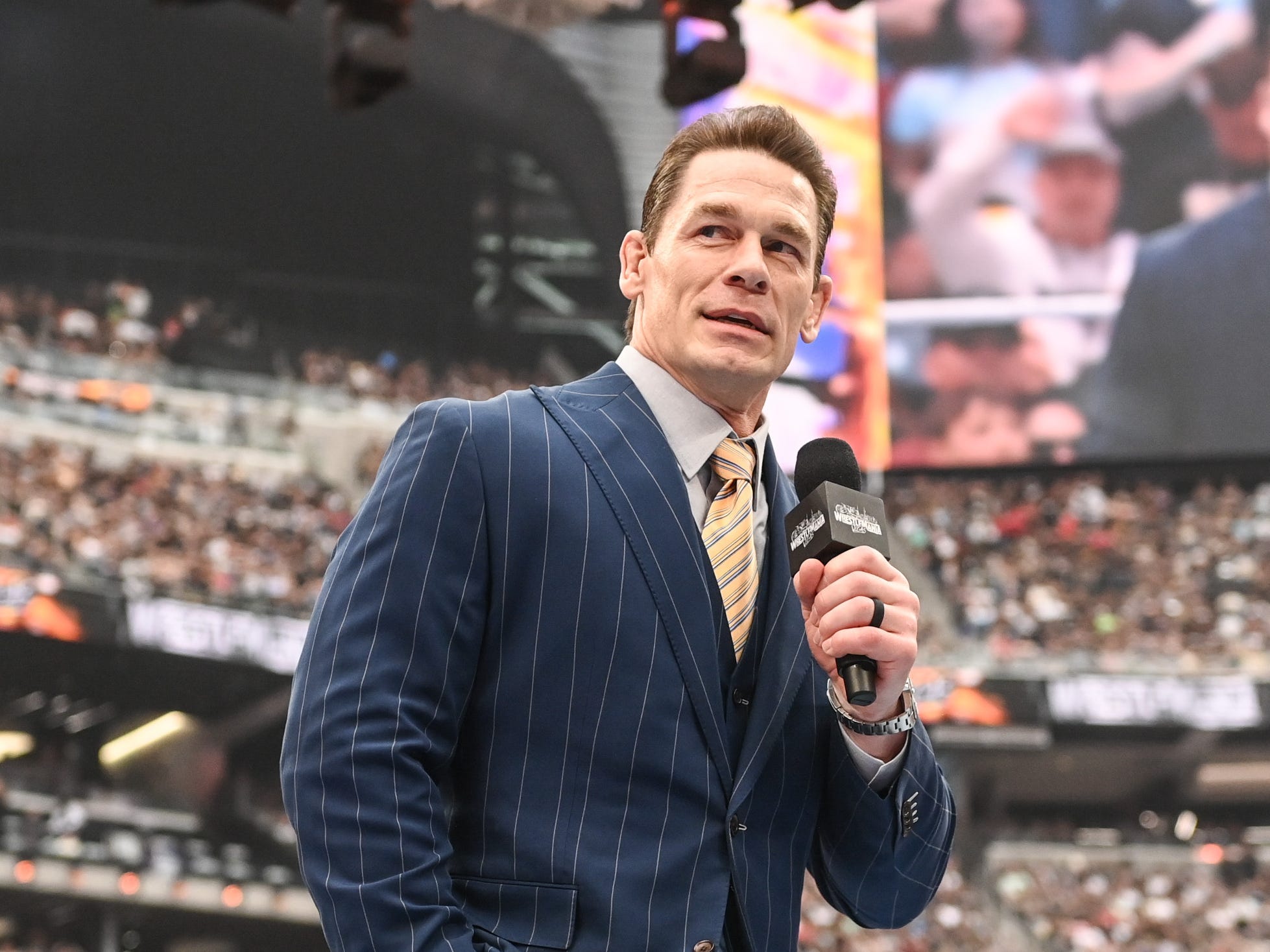

John Cena’s Journey to Longevity and Health
John Cena, a name synonymous with professional wrestling, has always been known for his strength, dedication, and resilience. At 49 years old, he continues to embrace the lessons learned from his decades-long career in WWE, now focusing on maintaining his health and longevity. His journey has taught him the importance of adapting to challenges, especially as he ages.
Cena emphasized that his primary goal is to remain physically active and engaged in life for as long as possible. He shared his vision of being able to perform a heavy squat when he’s 85, highlighting the importance of mobility and rest days in his routine. This shift in focus from intense physical training to long-term health strategies reflects his evolving priorities.
Lessons from a Career in Wrestling
During his time in WWE, Cena built his persona around being as strong as possible. He trained rigorously, often lifting heavy weights, which sometimes led to strain on his back and knees. However, he realized that this approach was not sustainable for the long term.
“Resistance training is heavy, hard, dull, repetitive. It’s trench warfare,” he said. While this type of training was part of his comfort zone, the real challenge came when he transitioned from chasing personal records in the weight room to future-proofing his body.
Cena acknowledged that the key to longevity lies in balancing cardiovascular health, mobility, and knowing when to take a break. He mentioned that he used to hate stretching but now sees it as an essential part of his routine. After 45 minutes of static stretching, he feels excellent, standing tall and walking smoothly, which gives him a sense of rejuvenation.
The Importance of Rest and Recovery
With a career spanning decades—from WWE to acting, entrepreneurship, and philanthropy—Cena has learned the value of adaptability. He described the constant schedule of physical performance, which required him to be flexible and independent.
However, this lifestyle also meant that he had to prioritize recovery. After long travel stints and hectic schedules, he often needed time to unwind. If he showed up to the gym and wasn’t feeling it, he would recognize it as a red flag. On one such occasion, he turned around and went to sleep instead of working out.
This awareness of his body’s signals has become crucial in his approach to health and well-being.
Regrets and Learning from the Past
Despite his accomplishments, Cena admitted that he wouldn’t change a thing about his past, as even the biggest challenges became valuable learning experiences. However, there is one regret he has: not seeking help sooner, particularly regarding his health.
He spoke openly about his struggles with hair loss and skin cancer, which he believes could have been managed better if he had asked for assistance earlier. “It’s only in recent years I’ve been brave enough to ask for help, especially in concern to my health, and it’s worked wonders,” he said.
Cena has been candid about his experience with skin cancer, diagnosed twice after years of not wearing sunscreen while living and training in sunny Florida. He also discussed a hair transplant, which he wished he had gotten sooner.
Seeking Expert Advice
Most recently, Cena faced concerns about red, itchy eyes and vision problems, which he initially attributed to screen time or aging. He was eventually diagnosed with Demodex blepharitis, an inflammation caused by an overgrowth of eye mites. This condition underscored the importance of seeking expert advice.
“I think it’s very important to know that you’re not indestructible, you’re not alone, and you’re not perfect. And anytime you have an ailment, asking for help is not a weakness, that’s a strength,” he said.
Final Thoughts
Cena’s journey highlights the importance of prioritizing health and longevity. From heavy lifting to mobility training, and from seeking help to embracing rest days, his strategies offer valuable insights for anyone looking to maintain their physical and mental well-being.