
If humanity were to vanish from the face of the Earth, the planet would undoubtedly continue its existence, but the established ecological pecking order would undergo a dramatic and profound transformation. The critical question isn’t merely which species would endure, but rather, which, if any, possesses the inherent capabilities to ascend to a position of widespread dominance.
For countless millennia, Homo sapiens have exerted an unparalleled influence on terrestrial ecosystems, fundamentally reshaping landscapes and, tragically, precipitating the extinction of a vast array of species. Evidence suggests that the arrival of humans in Australia, approximately 47,000 years ago, coincided with the disappearance of formidable marsupials, such as the iconic Diprotodon. This enduring human impact has left a significant ecological vacuum, the filling of which would necessitate far more than mere resilience. It would demand a sophisticated combination of intelligence, coordinated social behaviour, and the persistent capacity to modify and manage the environment on a sustained basis.
The Cognitive Conundrum: Primates and Their Limitations
Chimpanzees and gorillas are frequently cited as the closest living relatives to humans, and for good reason. They exhibit remarkably advanced cognitive abilities and possess the crucial advantage of opposable thumbs, granting them the dexterity to manipulate objects and even fashion rudimentary tools. However, their communicative prowess remains comparatively constrained, largely reliant on vocalizations and gestural cues rather than the intricate structure of language.
Professor Tim Coulson of the University of Oxford elaborates on this limitation, noting that primates are deeply intertwined with their strong social networks. He explains that their survival is contingent on activities such as communal hunting, mutual grooming, and collective defence. These inherent behavioural constraints, he suggests, might present a significant hurdle for them in adapting to a world undergoing rapid and unpredictable ecological shifts.
Aquatic Intelligences and Anatomical Barriers
Marine mammals, such as dolphins and whales, present an entirely different set of challenges. While these creatures demonstrably possess high levels of intelligence and intricate social structures, their anatomical design poses a significant impediment to environmental manipulation. The absence of dexterous limbs makes activities like construction or the development of sophisticated tools exceedingly difficult, thus limiting their potential for widespread environmental influence.
Adapting Without Ascending: The Resilient Survivors
Certain species, however, would likely experience an immediate and significant benefit from the absence of human activity. Brown rats, a testament to adaptability and prolific reproduction, are already found on nearly every continent barring Antarctica. Their inherent traits would allow their populations to expand with remarkable speed in the post-human world.
Despite their success, James Fair points out that rats lack the capacity for abstract reasoning and complex communication. Furthermore, they remain vulnerable to a multitude of predators, a factor that would undoubtedly constrain their long-term potential for dominance.
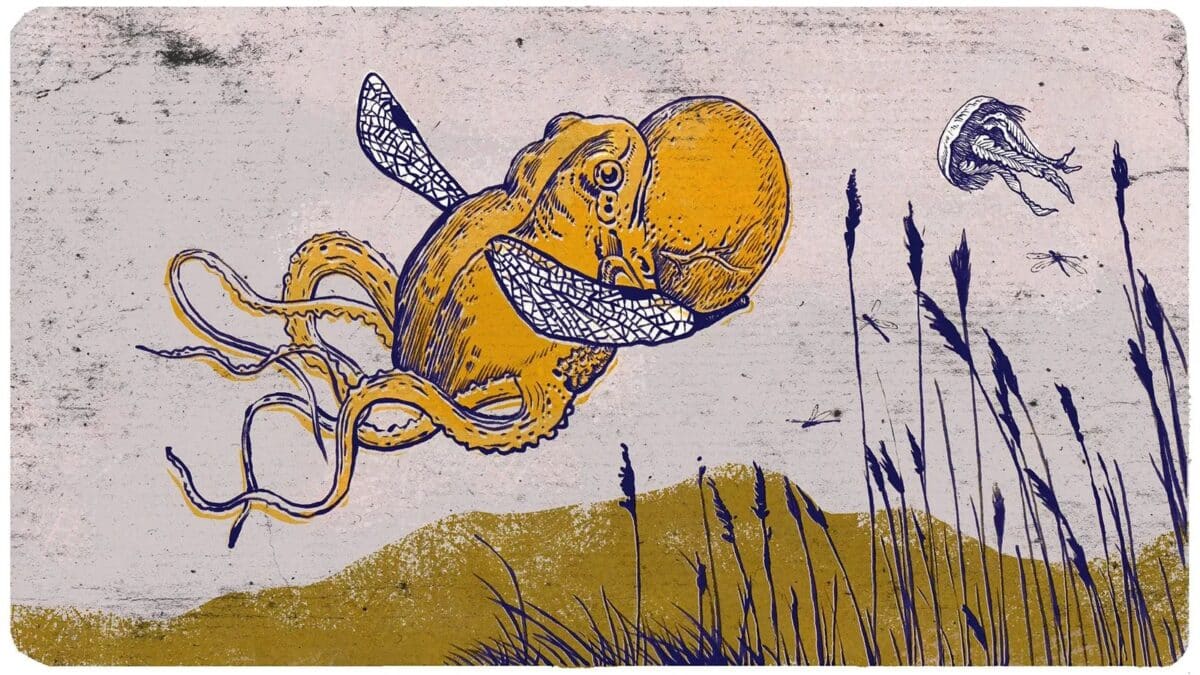
Feral cats and dogs would also experience a short-term surge in numbers. In many urban and suburban environments, these animals have already established self-sustaining populations independent of direct human intervention. Their numbers would likely increase substantially, although they would eventually face renewed pressure from larger, more formidable predators such as wolves and leopards.
The Avian Advantage: Could Birds Rule the Roost?
Among the most intriguing candidates for future ecological influence are certain species of birds. Corvids, a diverse group encompassing crows, ravens, and magpies, consistently display impressive problem-solving capabilities. In Japan, for instance, carrion crows have been observed employing a remarkable strategy: dropping nuts onto roadways to be cracked open by passing vehicles, and then retrieving the shelled nuts when traffic subsides.
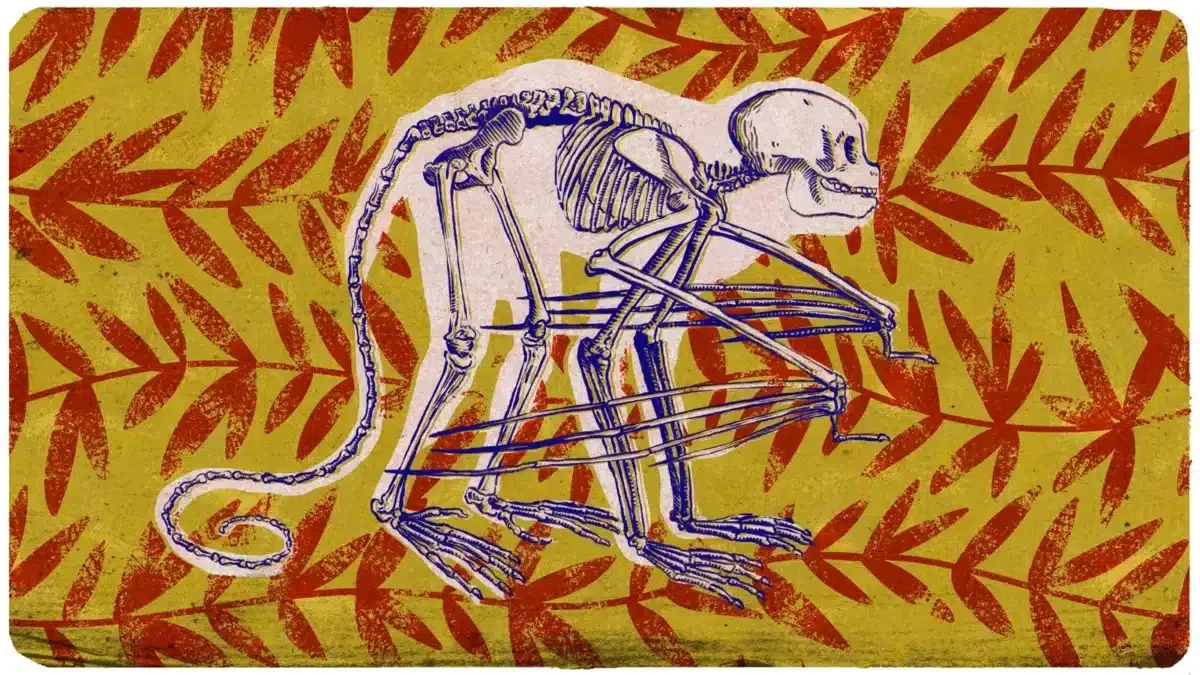
Further evidence of avian ingenuity comes from New Caledonian crows, which are known to craft and select specific tools for particular tasks, demonstrating a clear understanding of cause-and-effect relationships. These sophisticated behaviours suggest a level of cognitive ability that rivals that of the great apes.
Parrots also offer compelling insights. Research conducted by Irene Pepperberg has shown that an African grey parrot, named Alex, could comprehend and utilise elements of human language in meaningful and contextually appropriate ways.
Evolutionary biologist Patricia Brennan, from Mount Holyoke College, offers a broader perspective on environmental adaptation. She notes that in a warming global climate, endothermic animals – those that generate their own body heat – may face significant challenges. Birds in warmer regions might adapt by shedding contour feathers to prevent overheating, while mammals could potentially lose much of their fur.
Ultimately, no single existing species appears to possess the complete suite of traits required to fully replace humanity’s dominant role. If humans were to disappear, ecosystems would undoubtedly reorganise and find new equilibria, but there is no inherent guarantee that a new, singular dominant species would inevitably emerge.