Here’s a rewrite of the article in Australian English, focusing on structure, engagement, and meeting your specified requirements:
Abortion Pill Access: A New Frontier in the Fight for Reproductive Rights
In the wake of the U.S. Supreme Court’s decision to overturn Roe v. Wade, a significant shift is occurring in how women in states with abortion bans are accessing reproductive healthcare. A recent survey has revealed a telling trend: for the first time last year, more women in states with strict abortion bans obtained medication abortion via telehealth-prescribed pills than by travelling to states where the procedure remains legal. This finding highlights why these jurisdictions are increasingly focusing their legislative efforts on restricting access to these crucial medications, especially when prescribed and sent by out-of-state providers.
Most states with the political will to enact broad abortion bans have already done so in the nearly four years since the landmark Supreme Court decision. As many state legislatures wrap up or have recently concluded their 2026 sessions, the focus is now sharpening on tightening existing restrictions and preventing the flow of abortion pills into their borders.
States Tighten Grip on Abortion Pill Access
Across the country, a concerted effort is underway to make abortion pills more difficult to obtain. In South Dakota, Governor Larry Rhoden recently signed a bill into law that criminalises the advertisement, distribution, or sale of abortion pills, making it a felony offence.
Similar legislative measures are progressing in Mississippi. Both the state’s House and Senate have advanced bills aimed at restricting access to these medications, with differences now needing to be reconciled before a final version is sent to Republican Governor Tate Reeves for his consideration.
A comprehensive survey of state abortion policies, conducted by the Guttmacher Institute – an organisation that advocates for abortion rights – indicates that at least three states – Florida, Oklahoma, and Texas – already have laws specifically prohibiting providers from mailing abortion pills directly to patients within their borders. Louisiana has taken a further step by classifying mifepristone, a key component of medication abortion, as a controlled dangerous substance.
In Arizona, Indiana, and South Carolina, bills designed to block the import of abortion pills have successfully passed at least one chamber of their respective legislatures this year. In all three states, Republican parties hold control of the legislative bodies, and in Arizona and Indiana, they also command the governor’s office. However, any restrictions that do pass in Arizona could face a veto from the state’s Democratic Governor, Katie Hobbs.
Survey Data Points to Rising Pill Use Amidst Bans
The Guttmacher survey, released recently, offers critical insights into why abortion opponents are increasingly targeting medication abortion. The report suggests that in 2025, a significant milestone was reached: for the first time, more women residing in the 13 states that enforce total abortion bans obtained their medication abortion through telehealth services than by undertaking the arduous journey to other states.
These prescriptions are often issued by healthcare providers located in states that have implemented laws since the fall of Roe v. Wade, specifically designed to shield those who prescribe abortion pills to patients in states where such bans are in effect. Typically, women opting for medication abortion are prescribed a two-drug regimen involving mifepristone and misoprostol. These medications are approved for use in the early stages of pregnancy, generally within the first ten weeks.
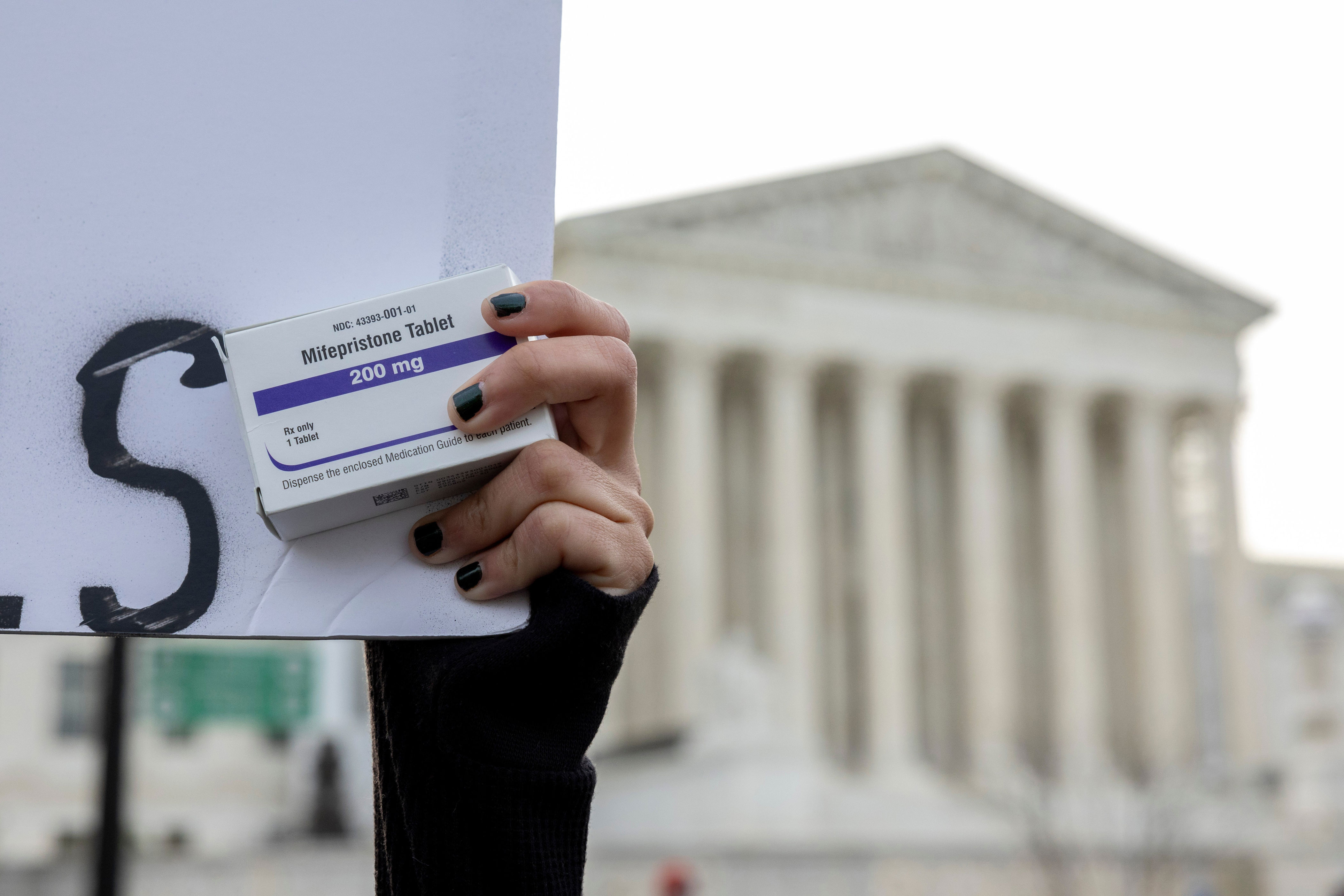
This estimated surge in the delivery of abortion pills via mail coincides with a projected decrease in the number of women travelling to access abortions in states like Colorado, Illinois, Kansas, and New Mexico. Guttmacher’s estimates are derived from a monthly survey of a representative sample of U.S. abortion providers, combined with historical data from all registered providers nationwide. This trend aligns with findings from other surveys conducted among abortion providers.
Legal Battles Erupt Over Federal Rules and Pill Distribution
The legal landscape surrounding abortion pills is becoming increasingly contentious, with multiple states challenging the federal regulations that permit mifepristone to be prescribed via telehealth. The core of these challenges often centres on advocating for in-person prescription requirements, which would significantly hinder the ability of out-of-state providers to supply pills to patients in states with bans.
Louisiana has initiated a lawsuit in federal court on this matter. The Attorneys General of Florida and Texas have filed similar actions in Texas, while those two states, along with Idaho, Kansas, and Missouri, are pursuing the same argument in a court in Missouri.
Furthermore, Texas has initiated civil lawsuits, and Louisiana has launched criminal proceedings, against providers accused of sending abortion pills into their respective states. The U.S. Food and Drug Administration’s approval of a generic version of mifepristone last year has added another layer of complexity, much to the frustration of abortion opponents.
Wyoming’s New Ban: A Glimpse into Shifting Legislation
Wyoming stands as the sole state this year to have enacted a new abortion ban. Under legislation signed in March by Republican Governor Mark Gordon, Wyoming has joined the ranks of states prohibiting abortions at approximately six weeks of gestation – a point in pregnancy before many women may even realise they are expecting. Similar to most other states with bans, Wyoming’s law prohibits abortions once cardiac activity can be detected.
However, the legal fate of this ban remains uncertain. Courts have previously rejected Wyoming’s attempts to restrict abortion access, and in January, the Wyoming Supreme Court struck down a broader ban on abortions at all stages of pregnancy.
Criminalising Women: A Rejected Approach
Despite ongoing legislative efforts to restrict abortion, the idea of criminalising women who have abortions is not gaining traction. No state has yet adopted measures aimed at initiating criminal prosecutions against women seeking or undergoing abortions.
While proposals to do so continue to surface, they consistently falter early in the legislative process. The furthest any such bill has advanced was a hearing before a Senate subcommittee in South Carolina last year. A similar hearing was scheduled for a subcommittee in Tennessee this month but did not proceed.
Pregnancy Justice, an organisation dedicated to advocating for the rights of pregnant individuals, reports tracking new “abortion-as-homicide” measures introduced in six states in 2026, a notable decrease from the 13 states that saw such proposals last year.
Major established anti-abortion groups have voiced opposition to this approach. Ingrid Duran, the state legislative director for National Right to Life, stated, “Women require compassion and support. Not prosecution.”
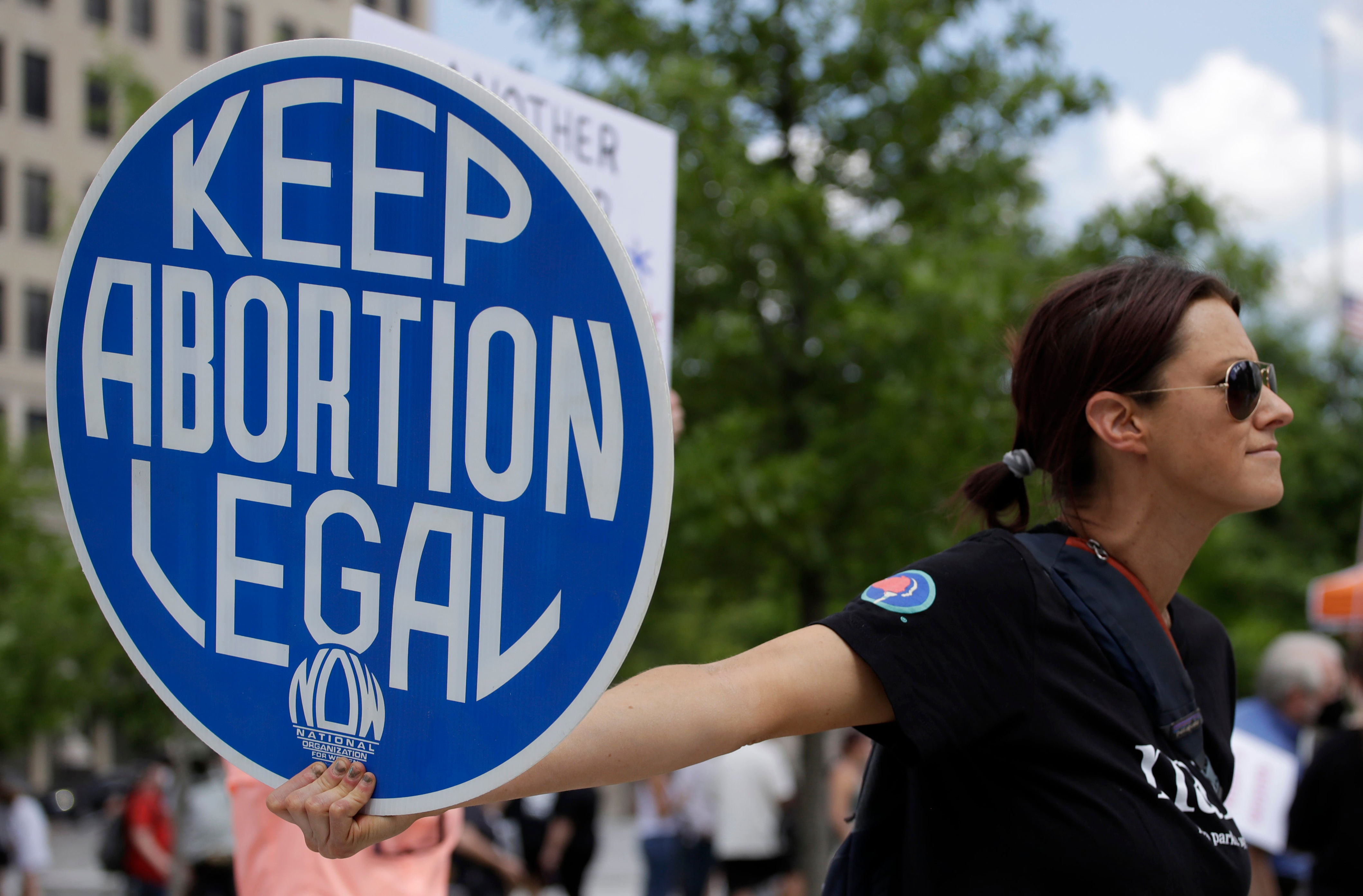
Melissa Murray, a professor at New York University School of Law, suggests that the introduction of bills proposing penalties against women allows the more uncompromising factions within the movement to gradually normalise the idea that such policies, once considered beyond the pale, are now open for debate. “You keep pushing the boundary, pushing the envelope, eventually you will get what you’re seeking,” Murray commented. “It will no longer feel fanciful or shocking.” She also pointed out that women are already occasionally facing criminal charges related to their pregnancies. This month, for instance, police in Georgia charged a woman with murder after she allegedly used an abortion pill and the opioid painkiller oxycodone.
Abortion on the Ballot: Voters to Decide in November
The contentious issue of abortion will be directly before voters in at least three states this November. Lawmakers in Missouri are seeking voter approval to repeal the right to reproductive freedom that was enshrined in the state constitution in 2024.
Elsewhere, voters are being asked to consider constitutional amendments that largely aim to codify existing state abortion laws. In Nevada, a state constitutional amendment designed to permit abortions until fetal viability – generally understood to be sometime after 21 weeks of pregnancy – passed in 2024 and requires a second voter approval to take effect. A ballot measure in Virginia proposes to guarantee the right to reproductive freedom, encompassing access to contraception and the ability to make decisions regarding abortion care during the first two trimesters of pregnancy.