Ethiopia is garnering international acclaim for its robust initiatives aimed at combating plastic pollution, mitigating exposure to toxic chemicals, and expanding urban green spaces. These comprehensive efforts are being lauded by health and environmental experts worldwide, who believe they hold the potential to significantly reduce cancer risks, particularly among children, and solidify Ethiopia’s standing as a leader in sustainable development across the African continent.
Experts have highlighted the crucial role of environmental protection in disease prevention, especially for vulnerable demographics like children. They emphasize that Ethiopia’s proactive approach is poised to deliver substantial and enduring public health benefits.
Visible Improvements and Proactive Prevention
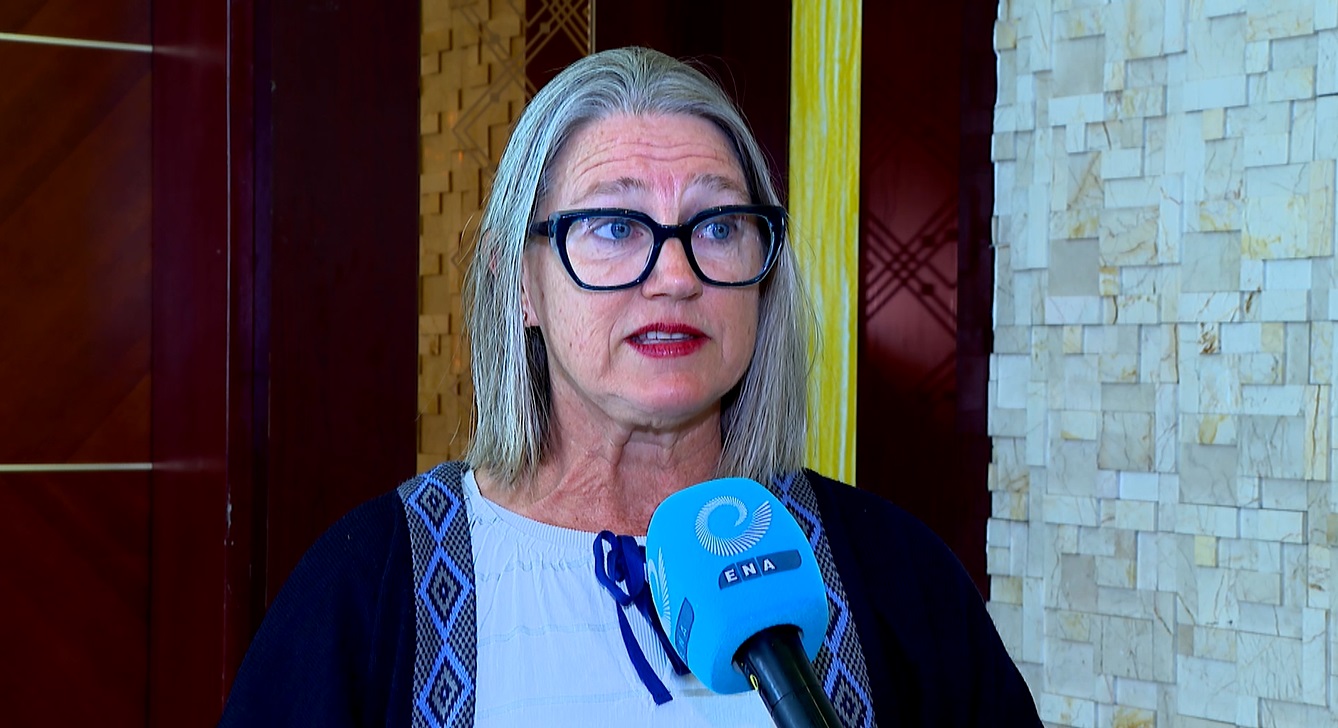
Dr. Bronwyn McNamara, a primary healthcare practitioner hailing from Australia, has observed firsthand the tangible positive changes brought about by Ethiopia’s environmental policies. “I can see a big difference, and I really acknowledge that the Ethiopian Environmental Protection Authority (EPA) is addressing issues related to plastic and chemical contaminants,” she stated.
Dr. McNamara strongly advocates for environmental protection as a cornerstone of public health safeguarding. “It’s a very important area to prevent health issues in your population,” she remarked, underscoring the fundamental importance of this preventative strategy.
The Multifaceted Benefits of Urban Green Spaces
Beyond pollution control, Dr. McNamara also commended Ethiopia’s commitment to investing in urban parks and green spaces. She recognized the extensive health advantages these areas offer. “The green areas and making areas specifically for parks—I can congratulate that initiative,” she expressed.
According to Dr. McNamara, the creation and maintenance of green spaces contribute to several key health outcomes:
- Promotion of Physical Activity: These areas encourage people to engage in exercise and outdoor activities.
- Enhanced Social Interaction: Parks serve as vital hubs for community gathering and social engagement.
- Improved Air Quality: Trees and plants play a critical role in generating oxygen and filtering out environmental pollutants, thereby improving the air we breathe.
- Opportunities for Children’s Play: Green areas provide safe and stimulating environments for children to play and explore.
“It helps get people exercising, interacting, and children playing in green areas,” she elaborated, emphasizing the direct link between these spaces and improved well-being.
A Long-Term Investment in Public Health
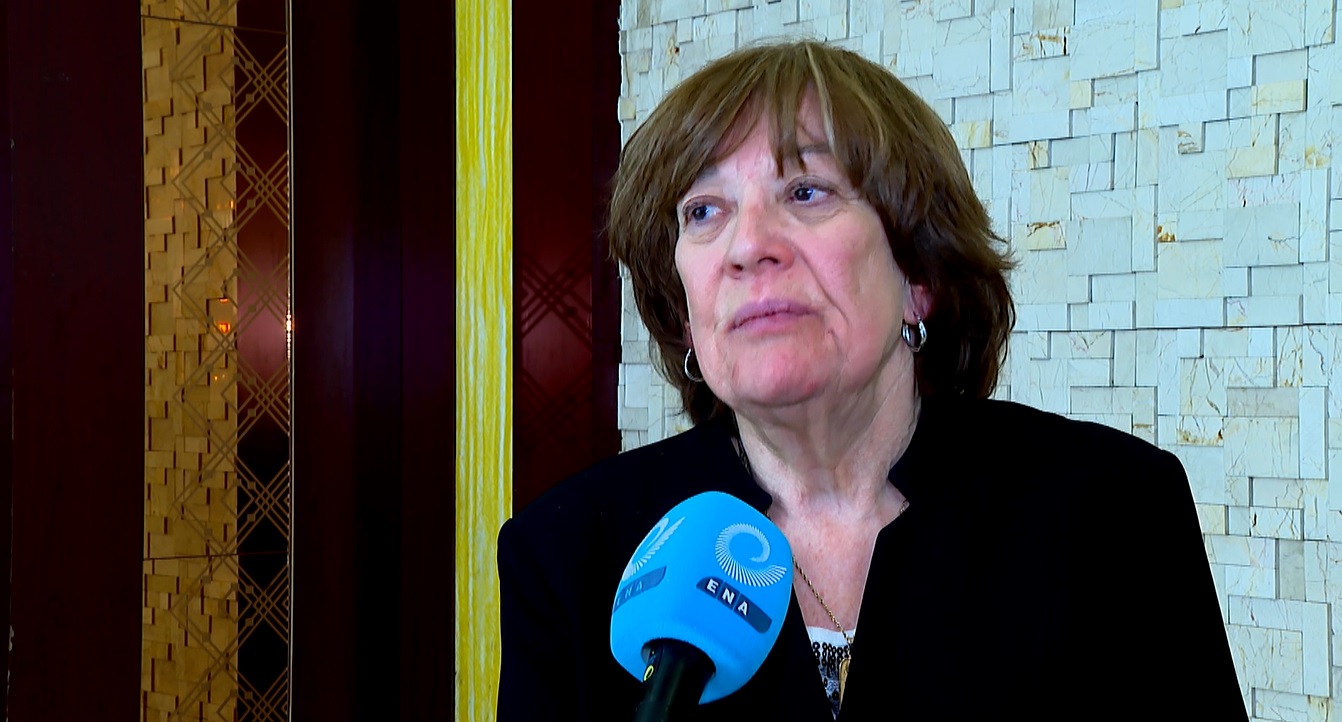
Professor Sheila Weitzman from the University of Toronto shares a similar perspective, viewing environmental improvements as a critical long-term investment in public health, with children being a primary beneficiary. “Improving the environment eventually has to make an impact—that’s the goal,” she asserted. “If we can prevent illness, that is much better than treating it.”
Professor Weitzman stressed the necessity of transitioning from a reactive approach to medical treatment towards proactive prevention strategies. This shift, she believes, is essential for protecting the health and well-being of future generations.
Connecting Plastic Pollution to Health Risks
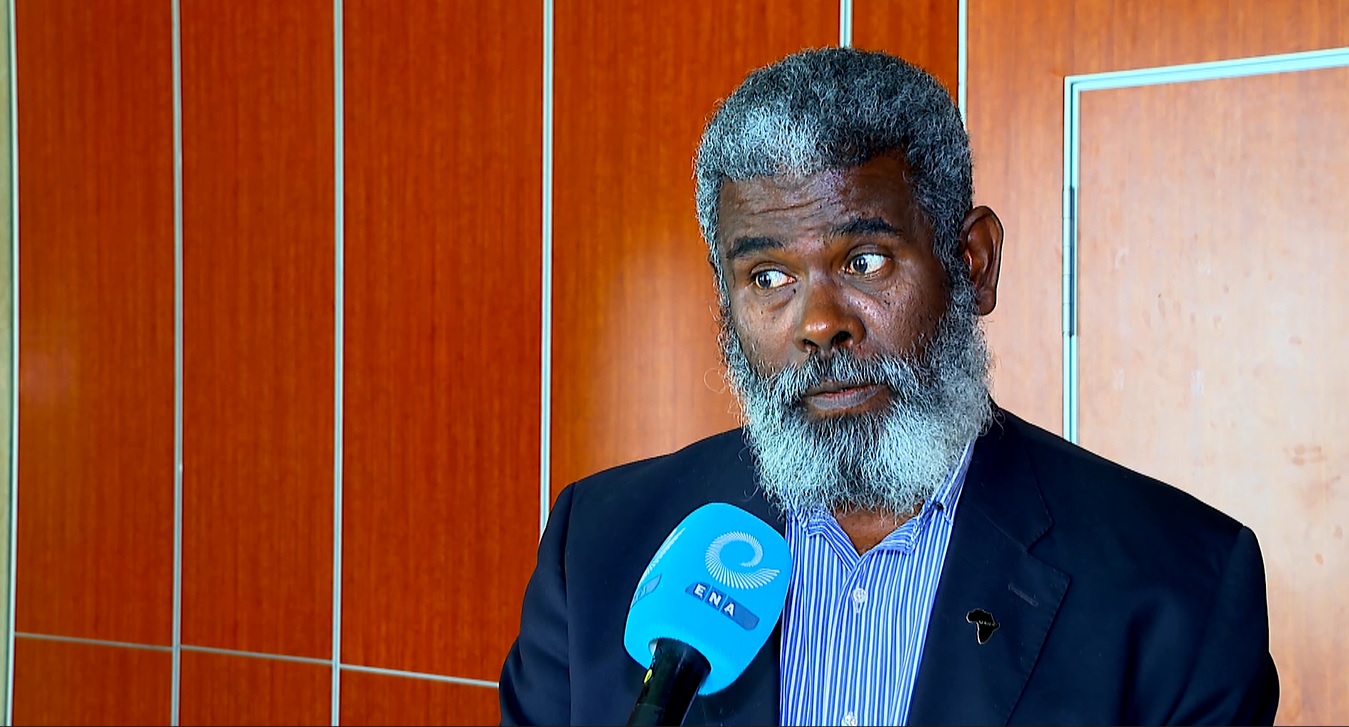
Firew Kefyalew, the East Africa Director of Pure Earth and a notable environmental advocate, has directly linked the pervasive issue of plastic pollution to increased health risks for children, including a heightened susceptibility to cancer.
“Cleaning environments benefits us all—ourselves, our future, and our children,” he stated emphatically.
Firew Kefyalew further emphasized that tackling plastic pollution begins with individual accountability and a shift in mindset. “You do not clean to please others; you clean it for yourself, for the future, and for children,” he articulated.
He called for a concerted collective effort, urging the public to actively reduce their reliance on single-use plastic products. As a practical and effective measure, he promoted “plogging”—the act of picking up litter while jogging—as a simple yet powerful way to protect children’s health, mitigate disease risks, and cultivate a sustainable environmental legacy for Ethiopia.