Proactive Steps to Protect Your Brain: Expert Advice for Delaying Dementia
Dementia, a condition that robs individuals of their memory and cognitive abilities, is a growing concern for many. However, experts are increasingly emphasising that it is not an inevitable consequence of ageing. A significant portion of dementia cases, estimated at around 50 per cent, could potentially be prevented through simple, proactive lifestyle adjustments.
A recent consensus, comprising 56 evidence-based recommendations, highlights a range of strategies aimed at significantly reducing dementia risk. These recommendations go beyond general health advice, focusing on specific modifiable factors. This extensive review builds upon previous findings, such as those from the 2024 Lancet commission, which identified 14 key risk factors that experts believe are still not being adequately addressed at a population level.
Dr. Faye Begeti, a neurologist at Oxford University Hospitals, offers crucial insights into the appointments and check-ups individuals should consider to safeguard their brain health and potentially delay the onset of dementia. She stresses that the processes leading to dementia often begin in the brain at least a decade before any outward symptoms become apparent. While the seemingly random and sudden onset of dementia can be a source of fear, Dr. Begeti asserts that many of the most significant risk factors are, in fact, within our control.
Key Health Check-ups for Brain Health
Here are some of the most impactful appointments and lifestyle changes recommended by experts to help protect your brain:
Regular Blood Pressure Monitoring:
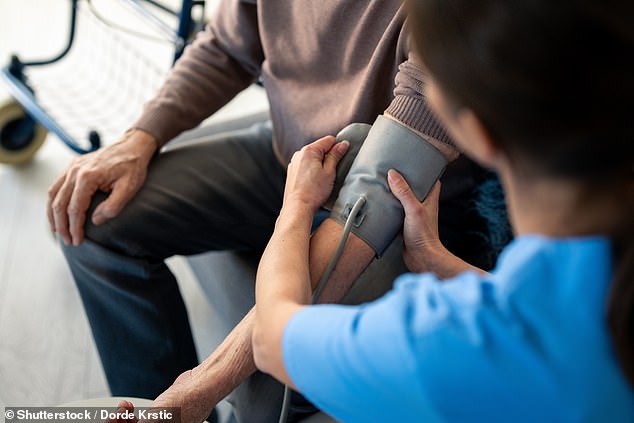
Maintaining healthy blood pressure is identified as one of the most straightforward and effective ways to ward off or at least delay the onset of dementia. Research indicates that individuals who successfully manage their high blood pressure experience a 15 per cent lower risk of developing dementia. High blood pressure, or hypertension, is a known contributor to stroke and vascular dementia, a condition where narrowed arteries impede blood flow to the brain. In more severe cases, elevated pressure can weaken artery walls, leading to bleeding in the brain. These micro-haemorrhages can occur unnoticed until significant damage has been done.Dr. Begeti strongly advises that everyone should start monitoring their blood pressure from the age of 30. “Once this damage builds up, there is not much we can do to delay symptom onset,” she explains. High blood pressure is often referred to as a “silent killer” because it may not present symptoms until serious damage has occurred.
To gain a more accurate understanding of one’s cardiovascular health, Dr. Begeti suggests monitoring blood pressure at home. This can help mitigate “white coat syndrome,” where anxiety in a clinical setting can artificially elevate readings. Consistent home monitoring allows doctors to better assess concerns and recommend appropriate interventions, which may include medication and lifestyle modifications such as reducing alcohol consumption and quitting smoking. Crucially, knowing your numbers is the first step. If your blood pressure readings are consistently above 120/80 mmHg, seeking professional medical advice is essential.

Routine Eye Examinations:
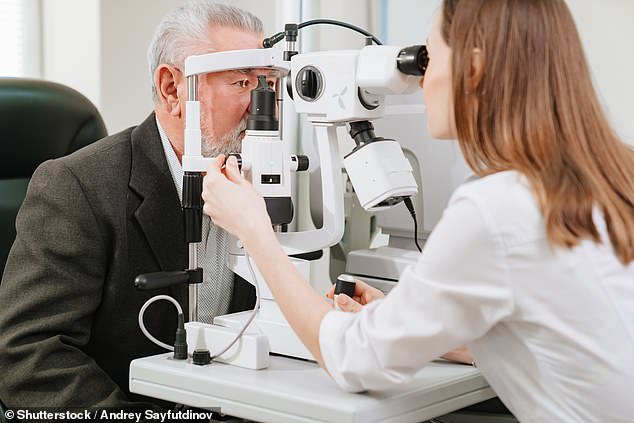
Studies have revealed a correlation between deteriorating vision and an increased likelihood of impaired memory and decision-making abilities, which are hallmark signs of dementia. Experts theorise that a reduced intake of sensory information can lead to the deterioration of brain regions responsible for processing vision. Furthermore, individuals experiencing vision or hearing loss may withdraw from social interactions, or feel excluded, thereby diminishing crucial cognitive stimulation.
“But, even if your brain health is fine and you don’t have dementia, it’s still important to be proactive and look after your brain by building cognitive reserve, which can at the very least delay the onset of dementia,” Dr. Begeti advises. This proactive approach can be as simple as attending regular eye tests and wearing corrective lenses when needed.
Dental Hygiene Appointments:
There is a growing body of evidence linking poor oral health to systemic inflammation and infection, with research suggesting a more profound impact than previously understood. The connection between oral bacteria, which proliferate with inadequate flossing and interdental cleaning, and brain health is a particularly compelling area of dementia research.Last year, US researchers discovered that individuals with both gum disease and cavities were 86 per cent more likely to suffer an ischemic stroke, caused by a blood clot blocking an artery in the brain. They also found that adults with gum disease were more prone to damage in the brain’s white matter, which plays a vital role in memory, thinking, and balance. Damage to the brain’s white matter has also been independently linked to dementia.
Experts argue that these findings underscore the critical importance of maintaining good oral hygiene. Some suggest that brushing teeth three times a day may be necessary to prevent over 50 diseases, including dementia.
Vaccinations:
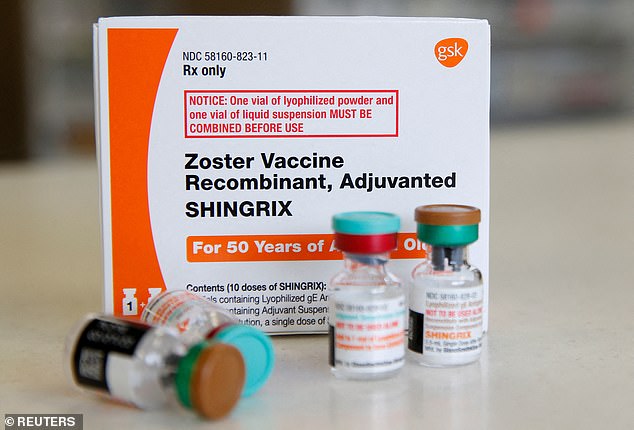
Emerging evidence indicates that the shingles vaccine could potentially reduce the risk of dementia by as much as half in individuals over 50. The vaccine, which has also been shown to improve cardiovascular health, is thought to contribute to lowering the risk of vascular dementia, which stems from reduced blood flow to the brain.The precise mechanism behind this protective effect is still under investigation. Recent research suggests a possible link between the varicella-zoster virus (the virus responsible for chickenpox) and dementia, particularly concerning changes within the immune system. After an initial infection, this virus can remain dormant in the nervous system for decades. In older individuals or those with compromised immune systems, the dormant virus can reactivate, causing shingles. Shingles can lead to inflammation of the brain, resulting in irreversible damage.
Therefore, experts propose that inhibiting this virus could lower dementia risk, while simultaneously bolstering the immune system might also help stave off the condition. While there are currently no approved treatments for Alzheimer’s on the NHS, if the shingles vaccine proves effective in preventing dementia, it could be fast-tracked for NHS use as a cost-effective measure to delay symptom onset. The health service has already expanded access to the vaccine, making it available to hundreds of thousands of immunosuppressed adults. Individuals who turned 65 after September 1, 2023, and those aged 70 to 79 who have not yet received the vaccine, are also eligible.
Hearing Assessments:
Finally, Dr. Begeti highlights that a simple hearing test can significantly reduce an individual’s risk of developing dementia later in life. “Hearing is a huge thing – so the first thing is protecting the hearing by wearing ear buds,” she advises. “But if you’re noticing that your hearing is worsening then its important to book in. The key fact is that hearing aids reduce the risk of dementia back to baseline.”
“And we know that when hearing loss isn’t treated, the brain actually shrinks,” she adds. The auditory processing areas of the brain are located adjacent to the memory region, known as the temporal lobe, which likely explains why hearing loss is such a significant risk factor. This reinforces the concept of building cognitive reserve to combat dementia. When individuals experience hearing loss, they may tend to avoid conversations, increasing their likelihood of social isolation – another major risk factor for this incurable condition, according to Dr. Begeti.

For confidential advice and support regarding dementia, individuals can contact the Alzheimer’s Society’s Dementia Support Line on 0333 150 3456. The Alzheimer’s Society also offers a symptoms checker that can assist in identifying the signs of dementia.