New Study Reveals Which Drinks Carry Higher Risks for Chronic Disease Mortality
Health authorities worldwide are increasingly urging the public to cut back on alcohol consumption, citing its detrimental effects on overall well-being. A recent comprehensive study has shed further light on this issue, specifically identifying which alcoholic beverages are most strongly associated with an elevated risk of death from chronic diseases.
The human body processes alcohol by breaking it down into acetaldehyde, a toxic byproduct. This substance can directly damage DNA and tissues, triggering inflammation, weakening the immune system, and disrupting hormonal balance. Consequently, acetaldehyde has been classified as a probable human carcinogen, meaning it has the potential to increase the likelihood of developing certain types of cancer.
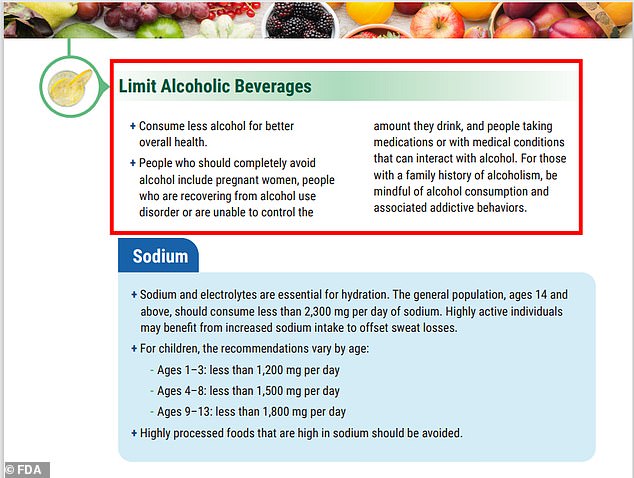
Reflecting these concerns, the Dietary Guidelines for Americans now advocate for consuming less alcohol for improved health, while the World Health Organization maintains that there is no “safe” level of alcohol intake.
Key Findings: Alcohol Type and Mortality Risk
A significant study involving over 340,000 British adults has reinforced these cautionary messages. The research indicated that reducing overall alcohol intake is linked to better health outcomes, particularly for individuals managing heart disease or other long-term health conditions.
However, the study’s researchers delved deeper, analysing participant questionnaires and reported alcohol consumption patterns. They discovered that the risk of mortality from cancer and heart disease was noticeably higher for individuals consuming even low to moderate amounts of certain alcoholic beverages compared to others.
Specifically, the study found that spirits, beer, and cider were associated with a significantly greater overall risk of death when compared to wine, even at equivalent consumption levels.
Wine vs. Other Beverages: A Stark Contrast
The research highlighted a notable difference in health outcomes based on drink type:
- Moderate Wine Consumption: Individuals who consumed one to three glasses of wine per day demonstrated a significantly lower likelihood of dying from heart disease compared to those who abstained from alcohol or drank only occasionally.
- Spirits, Beer, and Cider: In contrast, those who consumed spirits, beer, or cider – even at low intake levels (less than 1 to 1.5 drinks per day) – faced a nine percent higher risk of death.

Dr. Zhangling Chen, a senior study author and professor at the Second Xiangya Hospital, Central South University in China, commented on the findings. “Our findings help clarify previously mixed evidence on low to moderate alcohol consumption,” she stated. “These findings can help refine guidance, emphasizing that the health risks of alcohol depend not only on the amount of alcohol consumed, but also on the type of beverage. Even low to moderate intake of spirits, beer or cider is linked to higher mortality, while low to moderate intake of wine may carry lower risk.”
Unravelling the Mechanisms: Why the Difference?
While the precise biological mechanisms behind these observed differences are still being investigated, the study’s experts propose several potential explanations. One leading theory suggests that wine, particularly red wine, may offer a degree of protection against chronic diseases due to its rich content of polyphenols and antioxidants. These compounds are known to reduce inflammation, a key factor implicated in heart disease.
Furthermore, the researchers noted that wine consumption is often associated with healthier eating habits. Wine drinkers are more likely to pair their drinks with higher-quality, nutritious meals, potentially aligning with dietary patterns like the Mediterranean diet. Conversely, spirits, beer, and cider are frequently consumed alongside less healthy options, such as fried foods.
“Taken together, these factors suggest that the type of alcohol, how it is consumed, and the associated lifestyle behaviours all contribute to the observed differences in mortality risk,” Dr. Chen added.
The complete findings of this extensive analysis were scheduled to be presented on March 28th at the American College of Cardiology (ACC) Annual Scientific Session & Expo in New Orleans.

Study Methodology and Data Analysis
The research team meticulously analysed the alcohol consumption habits and subsequent mortality outcomes of 340,924 participants who were part of the UK Biobank study. This longitudinal study tracked individuals from 2006 to 2022.
Upon enrolment, each participant completed a detailed dietary questionnaire. Their alcohol intake was then quantified in grams of pure alcohol per week and used to categorise them into one of four consumption groups. For context, a standard 12-ounce can of beer, a five-ounce glass of wine, and a 1.5-ounce shot of spirits each contain approximately 14 grams of pure alcohol.
The study defined the consumption categories as follows:
- Never or Occasional Drinkers: Consuming less than 20 grams of pure alcohol per week (roughly equivalent to 1.5 standard drinks).
- Low Alcohol Consumption:
- Men: 20 grams per week to 20 grams per day.
- Women: 20 grams per week to 10 grams per day.
- Moderate Alcohol Consumption:
- Men: 20 grams to 40 grams per day (approximately 1.5 to three standard drinks).
- Women: 10 grams to 20 grams per day (approximately 0.75 to 1.5 standard drinks).
- High Alcohol Consumption:
- Men: More than 40 grams per day (over three standard drinks).
- Women: More than 20 grams per day (over 1.5 standard drinks).
The health outcomes for these participants were monitored over an average period of 13 years.
Quantifying the Risks
The analysis revealed a clear correlation between high alcohol consumption and increased mortality:
- Compared to individuals who never or occasionally drank, those with high alcohol consumption were 24 percent more likely to die from any cause.
- They also faced a 36 percent higher risk of death from cancer and a 14 percent higher risk of death from heart disease.
The Nuance of Low to Moderate Drinking
The study’s findings became particularly interesting when examining low and moderate consumption levels, where wine emerged as a potentially less harmful option.
- Heart Disease: Moderate wine drinkers experienced a 21 percent reduction in their risk of dying from heart disease when compared to non-drinkers or occasional drinkers.
- Spirits, Beer, and Cider: Conversely, individuals consuming low amounts of spirits, beer, or cider showed a nine percent elevated risk of death from heart disease compared to the non-drinking group.
Importantly, the researchers adjusted the data to account for various confounding factors, including socioeconomic status, lifestyle choices, and family history of conditions such as diabetes, heart disease, and cancer.
“These results come from the general population, and in certain high-risk groups, such as people with chronic diseases or cardiovascular conditions, the risks could be even higher,” Dr. Chen cautioned.
In the United States, previous dietary recommendations suggested limits of one drink or less per day for women and two drinks per day or less for men. However, the most recent 2025-2030 dietary guidelines have moved away from specific daily limits, opting instead for a broader recommendation of general moderation, advising all adults to “consume less alcohol for better overall health.” This study provides further evidence supporting such a nuanced approach, suggesting that the type of alcohol consumed may play a significant role in its impact on long-term health.