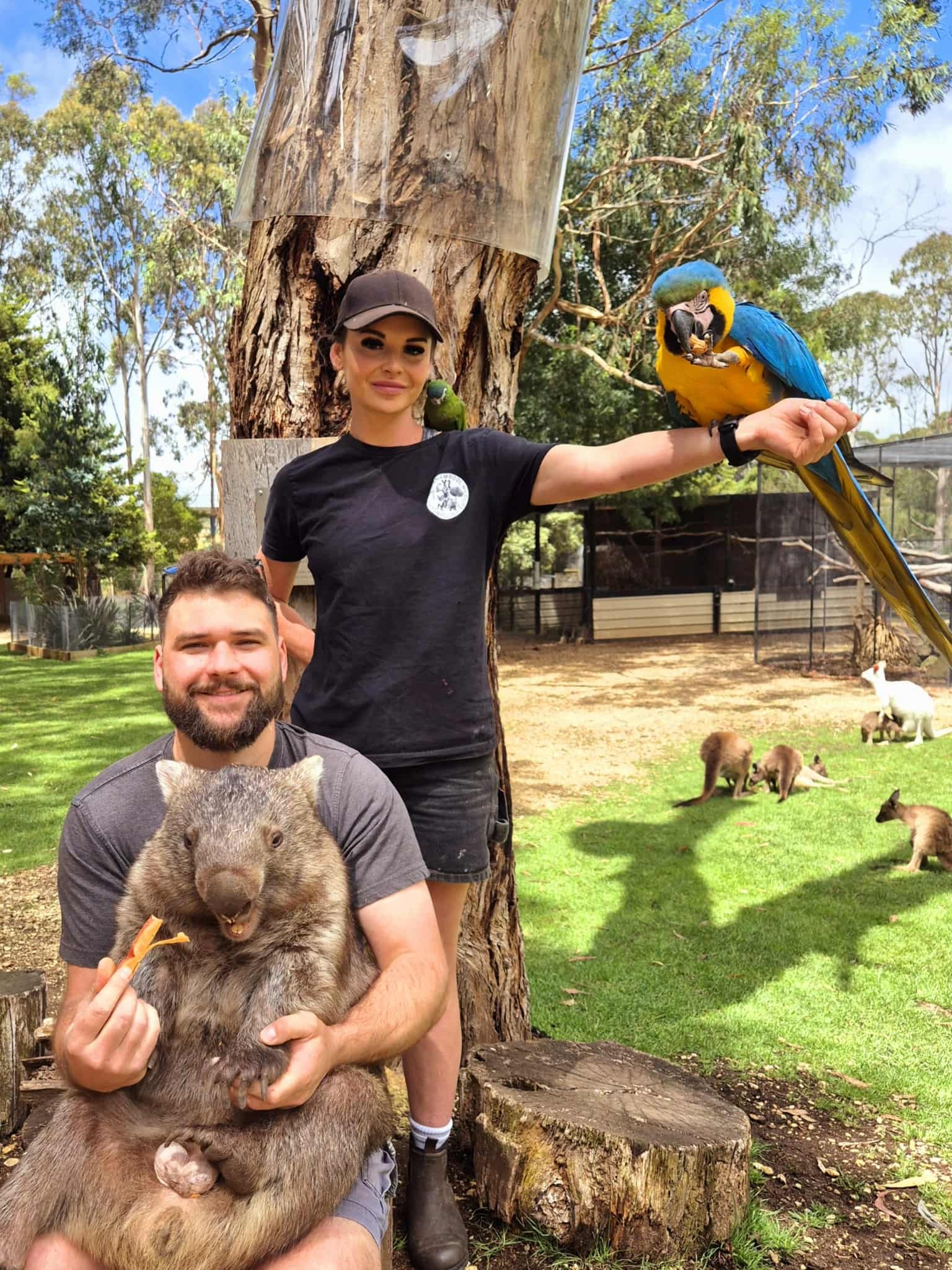
Many Australians are transforming their backyards into havens for native fauna, inspired by a growing desire to connect with nature and support local ecosystems. Following recent discussions on attracting wildlife and the considerations around feeding wild birds, a wealth of personal experiences has emerged, showcasing the diverse array of creatures gracing Australian gardens and the simple yet effective measures homeowners are taking to welcome them.
Welcoming Feathered and Scaly Visitors with Snacks
While local regulations vary, urban ecologists suggest that offering appropriate food can foster a positive relationship between humans and wildlife. This practice, when done thoughtfully, can significantly enhance the biodiversity within our urban and suburban landscapes.
Peggy Bogar, residing in Scamander on Lutruwita/Tasmania’s north-east coast, has observed a remarkable variety of native animals frequenting her property. Her garden is a sanctuary for goannas, lizards, frogs, native hens, kangaroos, and possums. The avian residents are equally impressive, including magpies, kookaburras, ducks, black cockatoos, and white cockatoos.
Further south, on Kaurna Country, northeast of Adelaide, Bev Hennessy manages a substantial 3,000-square-metre block that has become a regular stopover for koalas and kangaroos. Bev also supplements the local diet with wild bird mix, which attracts a consistent stream of galahs, eastern rosellas, and magpies. Seasonally, her garden is graced by the presence of eastern spinebills, yellow-tailed black cockatoos, southern boobook owls, and Pacific black ducks, often accompanied by their ducklings.
In Mount Isa, in northwest Queensland, on the traditional lands of the Kalkadoon people, Kay Cavanagh provides specially purchased seed blocks for her avian visitors. Her garden is a regular haunt for peewees, a small but vocally distinctive black and white bird, along with spinifex or crested pigeons, and willy wagtails. She also occasionally spots a small kingfisher, adding to the vibrant spectacle.
The Power of Indigenous Plantings
The act of “rewilding” one’s surroundings is proving to be a highly effective strategy for encouraging native wildlife. Dalton Dupuy, based in regional South Australia, has witnessed this firsthand. For the past six years, his family has been cultivating the area around their home with native vegetation, which has successfully attracted a wide range of birds and animals.
“We have had blue-tongues, echidnas and koalas in the yard during that time,” Dalton shares. His daily visitors include cockatoos, little ravens, wattle birds, several species of honeyeaters, magpies, seagulls, magpie larks, wagtails, and crested pigeons. The occasional visitor list is even more impressive, featuring white-faced herons and various raptors, highlighting the ecological richness his efforts have fostered.
Beryl Plummer, living near Ballarat on the traditional lands of the Wadawurrung and Dja Dja Wurrung peoples, embarked on creating an indigenous native garden in 2020. She notes that the native vegetation not only provides food for invertebrates but also that she actively provides water for birds. Her dedication has been rewarded with sightings of grey shrikethrushes, New Holland honeyeaters, eastern spinebills, rainbow lorikeets, eastern rosellas, crimson rosellas, and the occasional sparrowhawk.
Providing Essential Infrastructure for Wildlife
Beyond planting and feeding, many Australians are going the extra mile by providing essential resources and shelter.
Steve and Vera Bentley, from Camira, west of Brisbane, on the traditional lands of the Yagara language group, have implemented several thoughtful adjustments to make their garden a truly welcoming environment. Their efforts include installing nest boxes specifically designed for birds, small bats, possums, and even squirrel gliders, one of which has found a home in their setup.
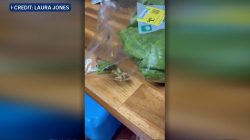
They have also constructed three substantial frog hotels, three bird baths, and strategically placed logs in varying stages of decay to offer habitat and food sources. Furthermore, two large composting bins have become impromptu perches for green frogs, who patiently wait to ambush incoming and outgoing insects. The Bentleys maintain a strict no-toxic-sprays policy in their garden. They also dedicate several nights a week to humanely capturing and relocating cane toads and have made the decision to not own pets.
In Frankston/Monmar, southeast of Melbourne, Chloe Coulson was inspired during the COVID-19 pandemic to transform her garden into a haven for native wildlife. While acknowledging it’s an ongoing project, she is already seeing positive results.
After introducing indigenous flowers and an insect hotel, her garden has become a buzzing hub for a variety of native bees. Chloe has also installed nest boxes for lorikeets and rosellas and planted flowering trees to attract them, leading to an abundance of nectar-eating birds. While the nest boxes haven’t been occupied yet, she remains optimistic.
More recently, she added a birdbath and planted smaller, prickly bushes to provide shelter for smaller birds. Her garden has already attracted bats, possums, and a diverse range of insects and birds, and she anticipates even more visitors as her garden matures.
The Crucial Role of Pet Management
A critical, yet often overlooked, aspect of creating wildlife-friendly gardens is responsible pet ownership. Canberra resident Kat Waterhouse emphasizes the importance of separating pets from native wildlife. “It’s no good creating a backyard haven for native wildlife if that haven includes pet predators,” she states.
This sentiment is echoed by Margaret Bamford, a resident of Western Sydney. She ensures her cats are kept indoors, particularly during the night and well into the morning, thereby significantly reducing their impact on vulnerable native fauna. This simple yet vital step plays a crucial role in ensuring that our efforts to attract wildlife are not undermined by the presence of domestic predators.