Meningitis Outbreak in Kent Linked to Novel Bacterial Strain
Authorities in Kent are grappling with a concerning outbreak of meningitis, with officials from the UK Health Security Agency (UKHSA) identifying a new variant of the bacteria responsible. This strain exhibits significant genetic mutations, which are believed to be a key factor in its rapid and widespread transmission.
The UKHSA has successfully mapped the entire genome of the circulating bacteria. Their detailed analysis revealed mutations in specific areas known to influence how easily the disease can spread from person to person. This particular strain belongs to the group B meningococci, closely related to a variant that has been present in the UK for approximately five years. However, this new iteration possesses some “potentially alarming differences” compared to its predecessor.
In a recent technical document, the UKHSA acknowledged the “realistic possibility” that this mutated strain is the primary driver behind the current outbreak. The outbreak has tragically resulted in two fatalities and left several individuals in critical condition, requiring hospitalisation.
Unprecedented Spread: A Multifaceted Cause
Experts have highlighted several genetic differences in the bacteria’s genome when compared to the most closely related known strains. These differences are undergoing rigorous evaluation to better understand their impact on the bacteria’s behaviour and transmissibility.
The UKHSA’s investigation considered three primary factors that could explain the disease’s “unprecedented” rate of spread:
- The Bacterial Strain: The identified mutations in the new variant are a significant point of focus.
- Population Immunity: The level of existing immunity within the affected population plays a crucial role in how a disease spreads.
- Social Factors: Societal behaviours and interactions can also contribute to the rapid dissemination of infectious diseases.
The agency’s conclusion points to a likely interplay of all three factors, suggesting that the unusual nature of this outbreak is a consequence of a combination of these elements.
Reassurance on Treatments and Vaccine Effectiveness
Despite the concerning mutations, the laboratory analysis has provided “strong reassurance” regarding the effectiveness of current medical interventions. Both the antibiotics and the MenB vaccine being administered to at-risk groups are expected to be effective against this particular strain.
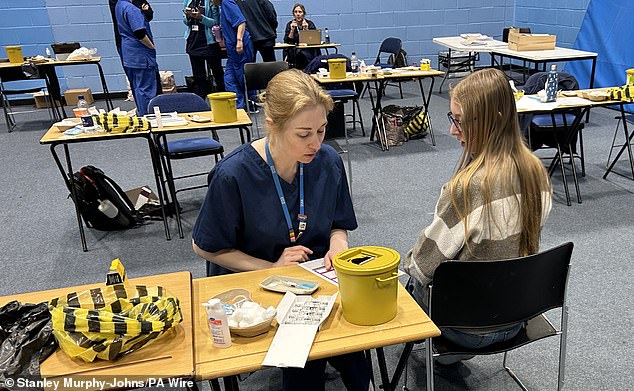
This news comes as the UKHSA announced an expansion of the MenB vaccination catch-up programme. The programme will now include Year 11 pupils attending schools that have been affected by the outbreak. The outbreak has been linked to “super-spreader” events, notably at the Club Chemistry nightclub in Canterbury, Kent, earlier this month.
Evolving Case Numbers and Vaccination Efforts
Recent figures indicate a decrease in the number of confirmed cases. This reduction is partly attributed to more thorough testing, which has revealed that some individuals were mistakenly identified as infected. As of Monday at 12:30 PM, 20 cases of meningitis had been confirmed, with an additional three cases under investigation, bringing the total to 23. This marks a decline from the 29 cases reported on Sunday, which included 20 confirmed and nine under investigation.
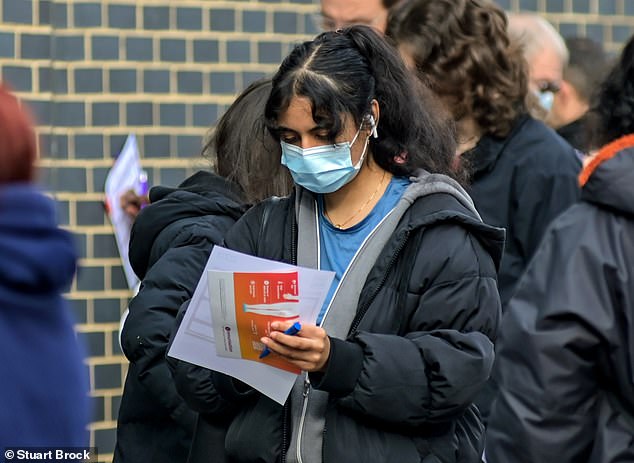
Vaccination efforts commenced on Wednesday, March 18th, with University of Kent students being among the first to receive the jabs. The following day, Health Secretary Wes Streeting visited the campus and confirmed plans to broaden the vaccination programme. This expansion includes sixth-form pupils at four schools with known or suspected cases of MenB. Ministers have since approved the provision of vaccinations to Year 11 pupils at these specific schools, as confirmed by the UKHSA.
Officials have categorised the widening of the vaccination programme as a precautionary measure, aimed at ensuring sustained, long-term protection for the community. To date, by lunchtime on Monday, over 13,000 doses of antibiotics and more than 10,000 vaccine doses have been administered in Kent.
Demographics and Patient Profile
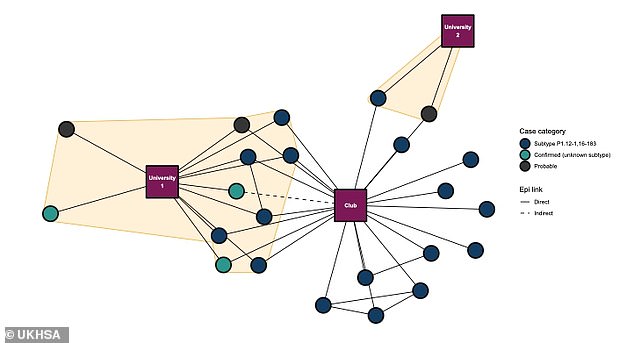
The UKHSA has provided further insights into the demographics of those affected. The median age of the patients is 19. While the majority are students, five individuals are not currently enrolled in educational institutions. A significant majority of patients – 87% – reported attending Club Chemistry in Canterbury at least once between March 5th and 7th, prior to falling ill. Most of these attendees were students. Notably, the three patients who did not visit the nightclub are all University of Kent students residing in halls with connections to individuals who had attended the venue.
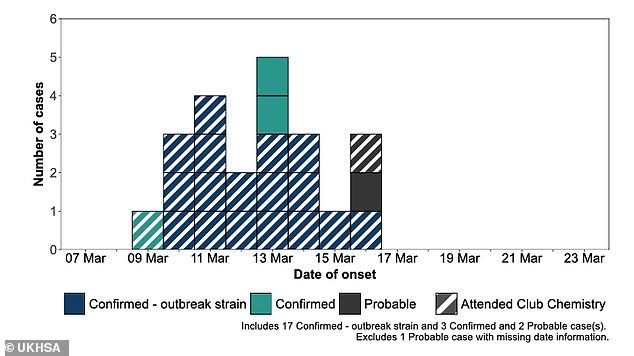
The earliest reported case became unwell on March 9th, with the latest onset of symptoms on March 16th. According to UKHSA data, the peak of the outbreak, characterised by the highest number of reported cases, occurred on March 13th.
Ongoing Research and Tragic Losses
Professor Robin May, Chief Scientific Officer at UKHSA, expressed his confidence in the ongoing research: “This preliminary analysis offers strong reassurance that our existing vaccinations and antibiotic treatment offer will be effective against this strain. In collaboration with the research community, we will continue intensive laboratory investigations of the strain to determine how the spread of the outbreak may have been influenced by the bacterial strain, social or environmental conditions, and population immunity.”
All individuals hospitalised in the Kent outbreak have required admission. Nine patients were admitted to intensive care units, with four still receiving care in these critical facilities. The two students who tragically lost their lives to the illness were 18-year-old Juliette Kenny, remembered by her family as a “fit, healthy and strong” young woman, and another student from the University of Kent.