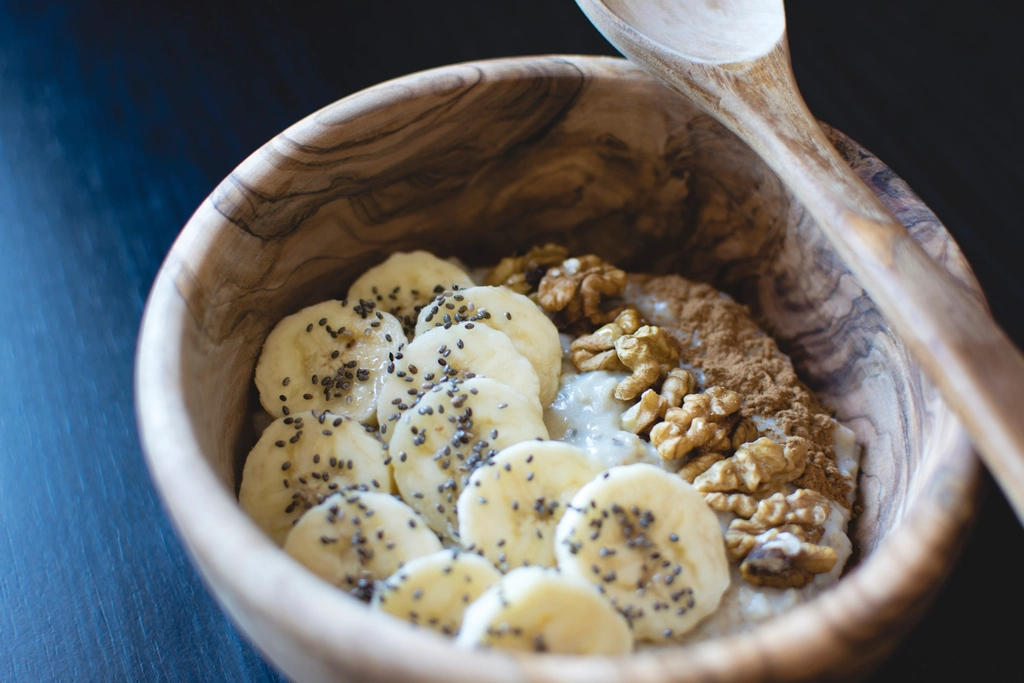
The Humble Oat: A Powerhouse for Health and Wellbeing
Beyond its reputation as a simple breakfast staple, oats are emerging as a significant player in promoting public health. Scientific research is increasingly highlighting the profound impact a daily bowl of this humble grain can have on our cardiovascular system, digestive health, and overall vitality. Far from being just a quick fix for the morning rush, oats are a nutritional powerhouse packed with benefits that can ripple through our bodies and potentially improve the health of the nation.
A Nutrient-Rich Foundation
Oatmeal isn’t just about fibre; it’s a treasure trove of essential micronutrients crucial for maintaining normal bodily functions. These include vital minerals like copper, manganese, and iron, which play roles in energy production, immune function, and oxygen transport. Furthermore, oats provide a good source of B vitamins, essential for metabolism and nerve function.

The Magic of Beta-Glucan
At the heart of oatmeal’s remarkable health benefits lies a specific type of soluble fibre known as beta-glucan. This versatile compound is the primary driver behind many of the positive effects observed with regular oat consumption.
Nurturing a Healthy Gut
Beta-glucan acts as a prebiotic, meaning it serves as food for the beneficial bacteria residing in our gut. By nourishing these microbes, oats contribute to a thriving gut microbiome, which is intrinsically linked to overall digestive health. A well-balanced gut can lead to improved nutrient absorption, a stronger immune system, and even play a role in mood regulation.
Cholesterol Control: A Natural Approach
One of the most well-documented benefits of beta-glucan is its ability to help manage cholesterol levels. When consumed, this soluble fibre forms a gel-like substance in the digestive tract. This gel can bind to cholesterol and bile salts, reducing their absorption into the bloodstream and promoting their excretion from the body.

Tangible Reductions in LDL Cholesterol
The impact on low-density lipoprotein (LDL) cholesterol, often referred to as “bad” cholesterol, is particularly noteworthy. Studies suggest that a daily intake of approximately 3 grams of beta-glucan – easily achievable with a standard serving of oatmeal – can lead to a reduction in harmful LDL cholesterol by around 7 percent.
A Natural Alternative to Medication
What’s particularly compelling about this cholesterol-lowering effect is its comparability to certain medications, yet without the associated side effects. This offers a natural and accessible dietary strategy for individuals looking to improve their cardiovascular health.
Reducing the Risk of Chronic Diseases
The benefits of incorporating whole grains like oats into our diet extend beyond cholesterol management. Research consistently shows a correlation between higher whole grain consumption and a reduced risk of developing serious chronic conditions, including heart disease.
A Lifeline to Longevity
The implications for longevity are also significant. Studies indicate that each daily serving of whole grains consumed is associated with an approximate 5 percent reduction in overall mortality. This suggests that making oats a regular part of your diet could contribute to a longer and healthier life.
Choosing the Right Oats
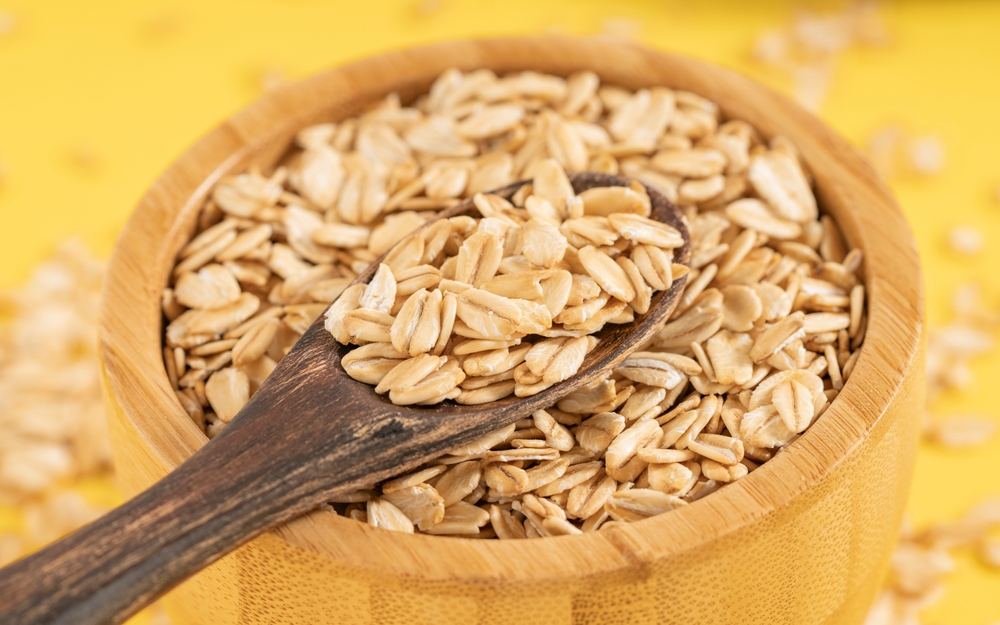
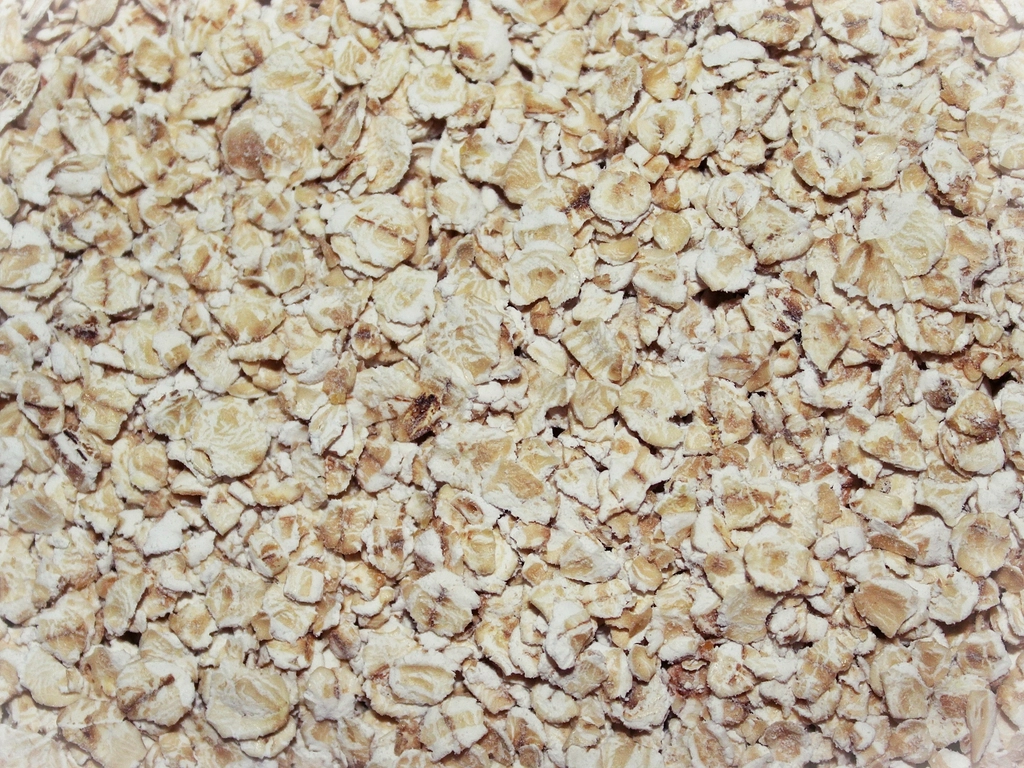
While the benefits are widespread, the type of oats you choose can influence their impact. Traditional rolled oats or steel-cut oats are generally considered superior to instant varieties. These less processed options have a lower glycemic index, meaning they cause a slower and more gradual rise in blood sugar levels after consumption.
Sustained Energy and Stable Blood Sugar
This slower release of glucose into the bloodstream translates to a more stable energy profile throughout the day. Reduced blood sugar spikes also mean a more moderate release of insulin, which can help prevent energy crashes and support overall metabolic health.
Supporting Weight and Liver Health
Emerging research also points to oatmeal’s potential role in weight management and liver health. Studies have indicated that regular consumption can contribute to weight loss, a reduction in waist circumference, and improvements in liver function.