It started subtly, an intermittent ache beneath my right rib. In 2021, at 48, life was a whirlwind, and I was too caught up to give this peculiar discomfort much thought. I dismissed it. However, I soon noticed a stark correlation: the pain intensified significantly after even a modest amount of alcohol. As a social drinker, I began experiencing severe hangovers from just a couple of glasses, a warning sign I completely overlooked.
Over the ensuing months, a profound fatigue set in. My usual routine, which involved regular gym visits and active involvement in my business, ground to a halt as my energy levels plummeted. The persistent fatigue left me with little desire or capacity to do anything.
Following two consecutive weekends in early 2022 marked by excruciating pain, I finally conceded it was time to consult my General Practitioner (GP). My initial visit yielded a diagnosis of “just acid reflux,” and I was prescribed medication accordingly. Unfortunately, once the prescription ran out, the pain returned with a vengeance. This time, I was given a different medication, only to discover it had been withdrawn from the market.
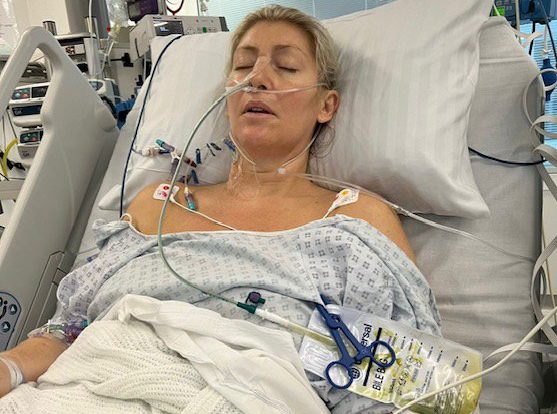
Just two days later, the pain escalated to an unbearable level. My daughter, Issy, pointed out a distressing change: the whites of my eyes had taken on a hue she described as “the colour of the inside of a Cadbury’s crème egg.” I was visibly jaundiced. This alarming development prompted an immediate trip to the Accident and Emergency (A&E) department. After a night filled with blood tests and CT scans, I was admitted. A “suspicious lump” had been detected on my liver.
An Endoscopic Retrograde Cholangiopancreatography (ERCP) was ordered – a procedure employing an endoscope and X-rays to examine the liver and bile ducts, among other organs. It was during this time that my world irrevocably changed. As I lay on a bed, awaiting transport for the procedure, a doctor casually asked, “You do know what we’re dealing with here?” My bewildered response was, “No. No one’s told me anything.” The doctor then stated, with unnerving matter-of-factness, “Oh. You’ve got a cancer called cholangiocarcinoma.”

The news hit me with a force that left no room for immediate comprehension. Cholangiocarcinoma, I learned, is cancer of the bile ducts. Once considered a rare affliction, AMMF, the UK’s sole charity dedicated to this specific cancer, reports a growing number of diagnoses each day. It is emphatically not, as I was incorrectly informed by some medical professionals, “a cancer that only affects men over the age of 65.” This disease shows no prejudice; the charity has observed an alarming rise in cases among younger individuals, particularly women aged between 20 and 40.
Upon waking the day after the ERCP surgery, I felt remarkably better. A stent had been successfully inserted into my bile ducts, alleviating the blockage and providing immediate relief. However, the subsequent arrival of Macmillan nurses, who presented me with a leaflet about cholangiocarcinoma, brought a stark reality check.
The Shock and the Fight for Awareness
My life shifted in an instant. The devastation of my lack of knowledge about cholangiocarcinoma was compounded by a surge of anger – directed at my GP for the initial misdiagnosis and, more broadly, at the pervasive lack of awareness surrounding this cancer. Fortuitously, I discovered AMMF, from which I downloaded vital information about the cancer to display. Feeling let down by the misdiagnosis, I resolved to ensure other medical professionals wouldn’t overlook this disease. By prominently displaying the information in every treatment room, I aimed to keep cholangiocarcinoma at the forefront of their minds.
My subsequent post about the experience on LinkedIn garnered approximately 250 comments, with the majority expressing confusion: “What’s that?” and “How on earth do you even say it?” (For the record, it’s pronounced kol-angee-oh-car-sin-oh-ma). This reaction solidified my conviction that raising awareness was paramount, and I then turned my full attention to my own treatment and well-being.
Understanding Cholangiocarcinoma: Signs and Symptoms
Early Stages:
In its nascent phases, cholangiocarcinoma often presents with few discernible signs. The symptoms that do emerge – such as malaise, fatigue, weight loss, pale stools, dark urine, and itching – are not exclusive to this cancer. They can be indicative of other cancerous or non-cancerous conditions affecting the area, including gallstones and inflammation of the bile ducts.
Advanced Stages:
As the disease progresses, jaundice becomes the most prominent symptom, characterised by the yellowing of the skin and eyes. It’s worth noting that skin yellowing might be less apparent in individuals with darker skin tones. Other common indicators include dark urine, pale stools, and sometimes itching, all stemming from the cancer obstructing bile flow. Jaundice is a highly visible symptom associated with liver disease, whether benign or malignant.
For comprehensive information on cholangiocarcinoma, please visit www.ammf.org.uk.
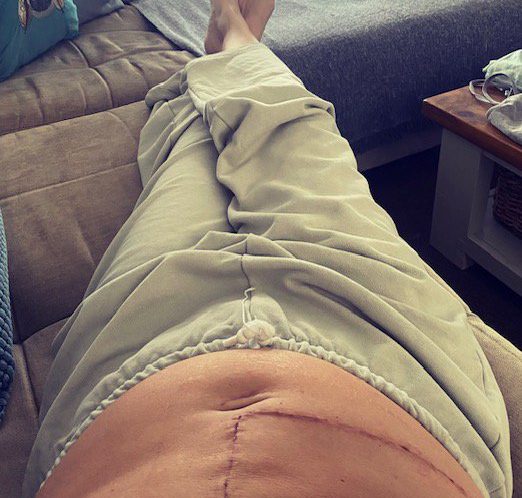
My immediate priority was to arm myself with knowledge and, crucially, to understand how to overcome this disease. I engaged my private healthcare and, recognising that surgery represented the sole potential “cure” at that time, I underwent a liver resection in July 2022. This procedure involved removing the tumour, a portion of my liver, and my gallbladder, as my tumour was still small enough for surgical intervention. In September, I commenced a course of follow-up chemotherapy, and by March 2023, I received the life-altering news: I was cancer-free. The sheer relief was beyond words.
Life could resume. I was determined to savour every moment. For a few blissful months, I did just that. I began dating my now-husband, Keith, returned to work, and simply revelled in life.
The Relentless Return and the Search for Hope
However, at my three-month monitoring scan, the devastating news arrived: the cancer had returned. Instead of a single large mass, I now had eight smaller tumours scattered across my liver, rendering further surgery impossible. My only remaining hope lay in targeted therapy.
Tragically, I then discovered I possess a rare gene mutation, meaning I am unresponsive to chemotherapy or any targeted therapies currently available on the NHS. This was another crushing blow. Since then, I have experimented with numerous drugs and treatments, each time clinging to the hope that “this is it. This will be the one to cure me.”
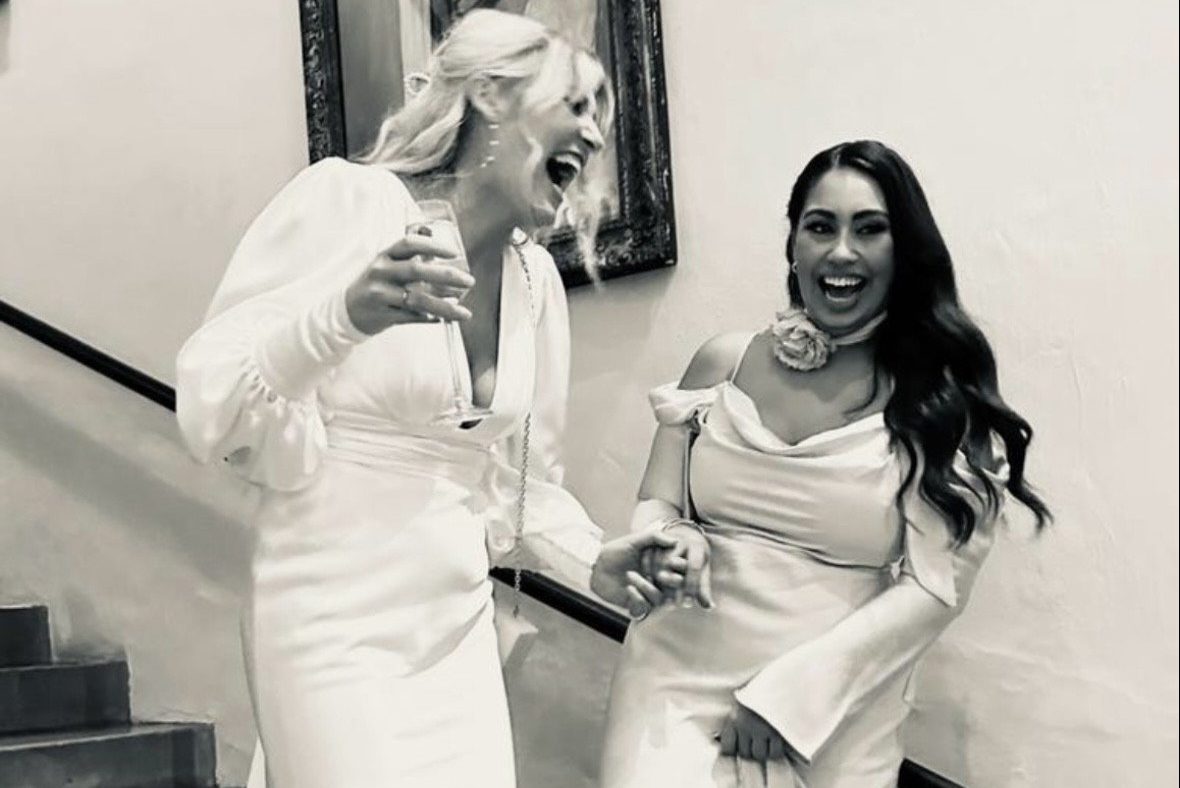
Maintaining hope and a positive outlook are non-negotiable. This unwavering optimism fuels my determination to make the most of every day. It’s why, when Keith proposed in August 2023, I accepted without hesitation and we planned our wedding in a mere three months. It’s why we prioritise travel and creating lasting memories over acquiring material possessions that would soon be discarded.
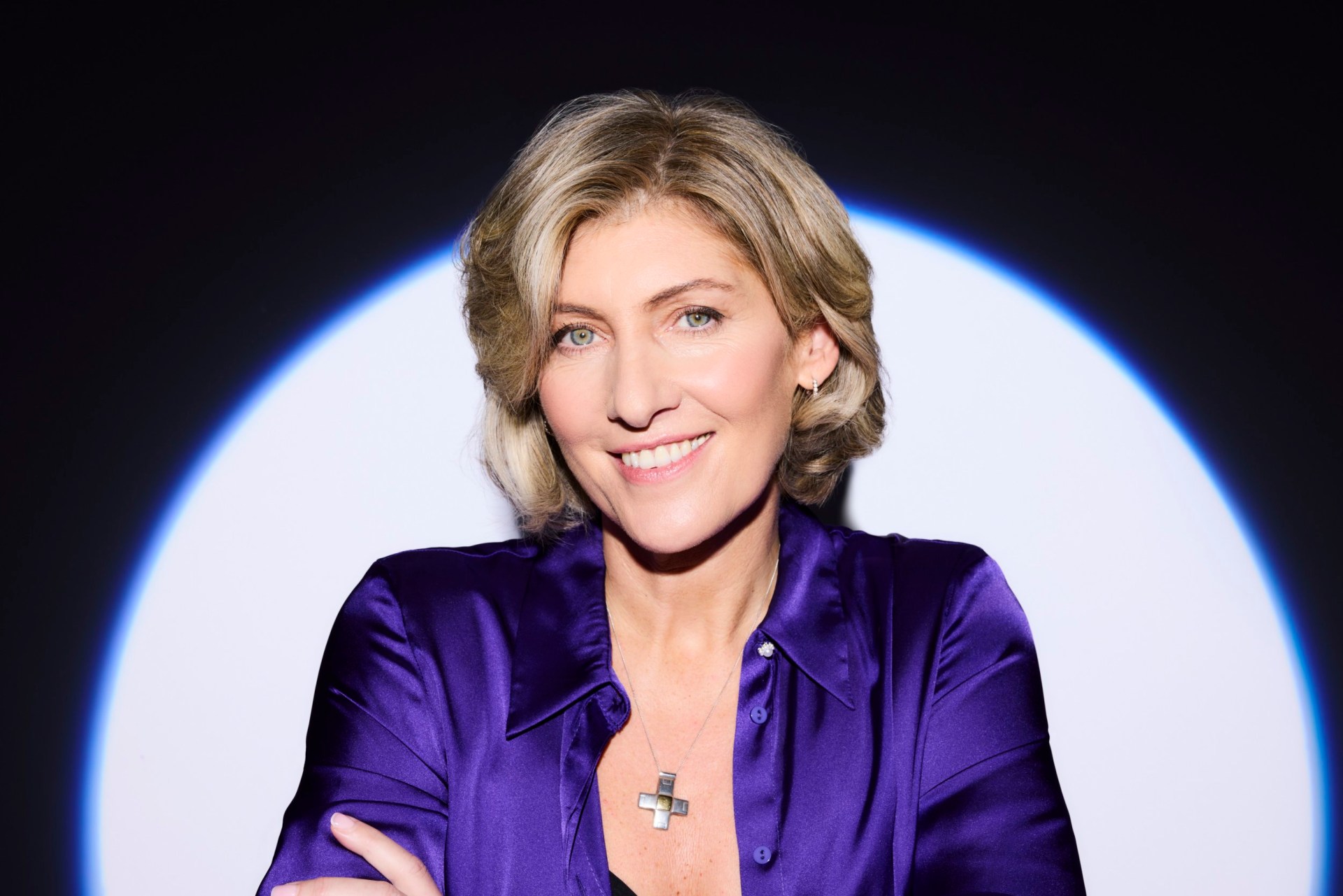
I can no longer afford to take anything for granted. Recently, doctors delivered the grim prognosis that they had exhausted all treatment options, and I have been placed on palliative care. Yet, I refuse to surrender. I am convinced that treatments exist that could help me. I participate in a global forum with other cholangiocarcinoma patients, many of whom in America and Australia are accessing new and advanced treatments not yet available in the UK.
This disparity is unacceptable for patients like me. I am not prepared to passively await my end; I have too much to live for. Now, the onus is on me to advocate for the care I rightfully deserve.
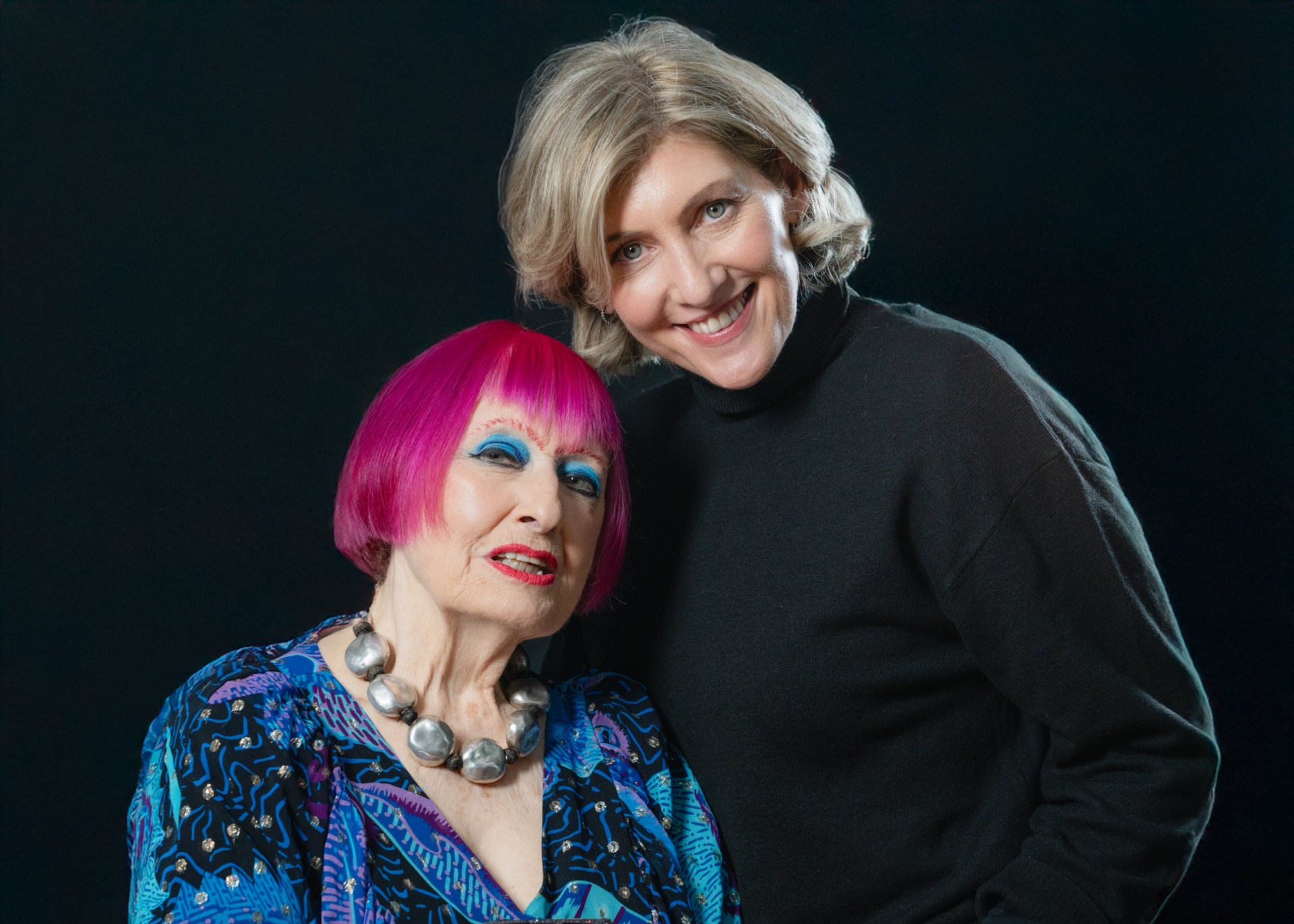
In recognition of Cholangiocarcinoma Awareness Month, I am collaborating with esteemed fashion figures Rankin and Dame Zandra Rhodes to champion AMMF’s (the cholangiocarcinoma charity) ‘Rethink Liver Cancer’ campaign. On February 26th, I will be attending a reception at the House of Commons, engaging with MPs and NHS leaders to advocate for a “Fairer Deal, Faster” for cholangiocarcinoma patients within the NHS.
It is high time this cancer received the attention, funding, and research afforded to other cancers. The UK must catch up with the rest of the world and invest in cholangiocarcinoma research and treatment. Perhaps then, patients like myself could experience a more positive journey. Perhaps then, we too, could become survivors.