Fuel Crisis in Australia
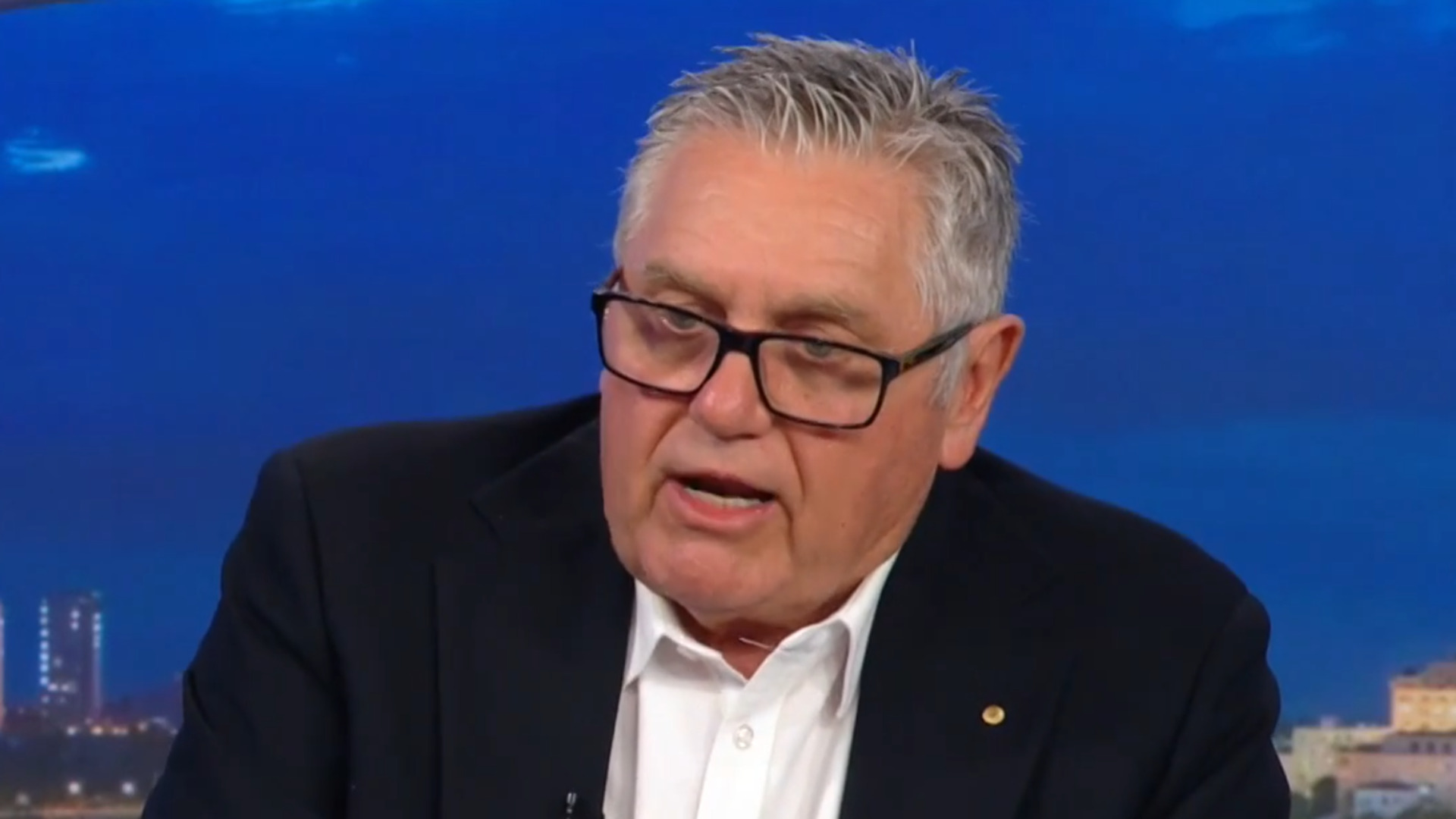
Former 2GB broadcaster Ray Hadley has raised concerns about a growing fuel crisis in Australia, highlighting the situation in New South Wales where free public transport is not an option. During an interview with Sky News host Sharri Markson, Mr Hadley expressed his views on the current state of affairs.
“I think yes, it will cost millions of dollars, but we’re in a crisis to a certain extent,” Mr Hadley stated. His comments reflect the growing anxiety among Australians who are facing rising fuel prices and limited availability at service stations.
The issue has become more apparent as people take to the roads to observe the impact of the crisis firsthand. Mr Hadley pointed out that many service stations are displaying signs indicating that there is no fuel available.
“You’ve got to travel the roads … to see how many service stations have got the ‘no fuel’ sign up,” he added. This observation underscores the severity of the situation and the challenges faced by drivers across the country.
Impact on Daily Life
The fuel crisis is affecting daily life for many Australians, particularly those who rely on their vehicles for commuting and essential travel. With public transport options limited, especially in New South Wales, individuals are finding themselves in a difficult position.
The lack of available fuel has led to long queues at service stations, with some drivers waiting for hours to fill up their tanks. This has caused frustration and inconvenience for many, particularly during peak travel times.
The situation has also raised questions about the government’s response to the crisis. While some measures have been taken to address the issue, many believe more needs to be done to ensure that fuel is available and affordable for all Australians.
Possible Solutions
Experts suggest that addressing the fuel crisis requires a multi-faceted approach. One potential solution is to increase the number of fuel suppliers and improve the distribution network to ensure that service stations are consistently stocked.
Another suggestion is to implement policies that encourage the use of alternative transportation methods, such as electric vehicles or carpooling. These initiatives could help reduce the demand for fuel and ease the pressure on existing resources.
Additionally, there are calls for greater transparency from fuel retailers to ensure that consumers are informed about the availability of fuel at different locations. This would allow drivers to plan their journeys more effectively and avoid unnecessary delays.
Looking Ahead
As the fuel crisis continues to unfold, it is clear that the situation requires immediate attention and action. The government, fuel retailers, and the public must work together to find sustainable solutions that address the root causes of the problem.
In the meantime, Australians are being urged to stay informed and make the most of available resources. Whether through carpooling, using public transport when possible, or planning trips in advance, there are steps that can be taken to mitigate the impact of the crisis.
With the right strategies in place, it is hoped that the fuel crisis can be resolved, ensuring that Australians can continue to travel safely and efficiently.