A New Hope for Latina Mothers
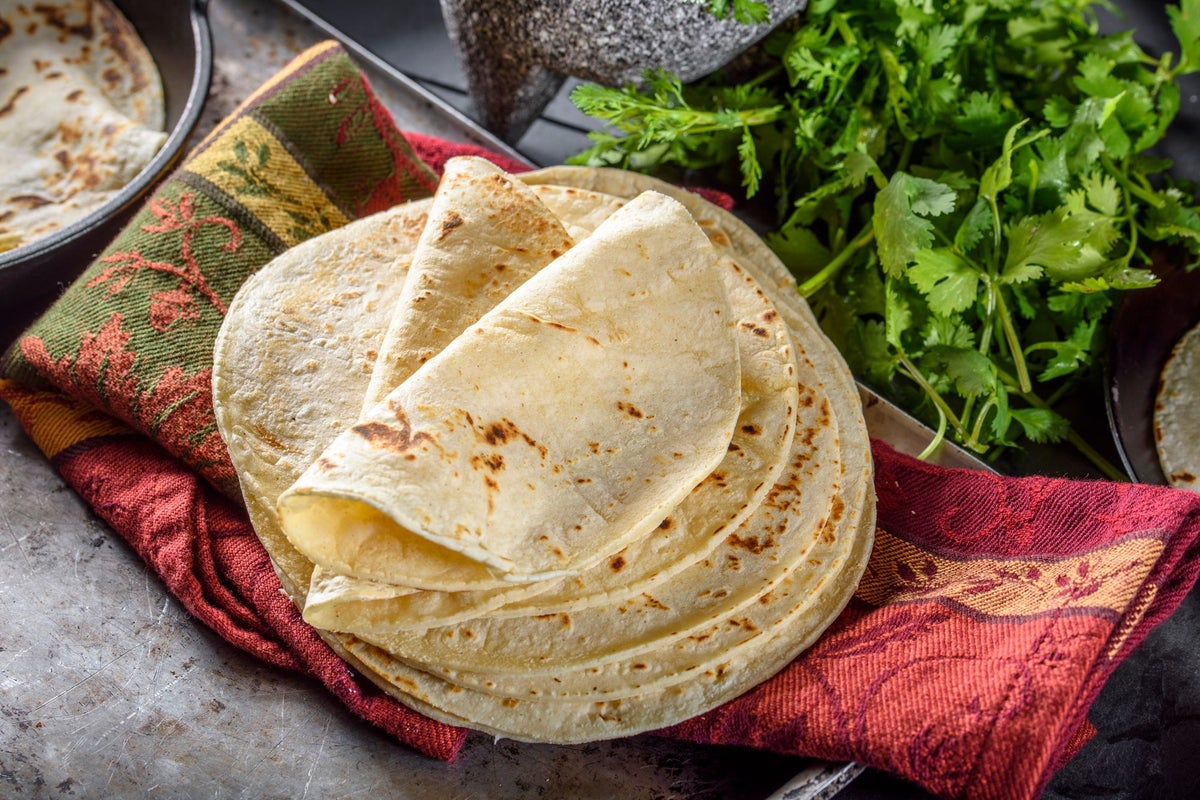
Fifteen years after she lost her first baby to a rare and devastating birth defect, Andrea Lopez finds comfort in knowing that other Latina mothers might avoid the same pain. Her son, Gabriel Cude, was born with anencephaly, a fatal condition in which the skull fails to develop properly. He lived only 10 days. Now, California has taken a significant step toward preventing such tragedies by becoming the first state to require food makers to add folic acid to corn masa flour, a staple in many Latino households.
The law, which went into effect in January, aims to reduce the disproportionately high rates of neural tube defects among Hispanic infants. These conditions, including spina bifida and anencephaly, can be prevented with adequate folic acid intake before and during pregnancy.
“It’s such a small effort for such a tremendous impact,” said Lopez, now a lawyer in Bakersfield with two young daughters. “There is very little that I wouldn’t do to spare anybody this heartache.”

Expanding the Reach of Folic Acid Fortification
California’s law has sparked interest in other states. Alabama will implement a similar law in June, while legislation is pending or being considered in Florida, Georgia, Oklahoma, and Oregon. Texas, Delaware, New Jersey, and Pennsylvania have also expressed “active interest” in the issue, according to the Food Fortification Initiative, an advocacy group focused on addressing micronutrient deficiencies.
“All women and children in the United States should have access to folic acid and have healthy babies,” said Scott Montgomery, director of the initiative. “This is a critical public health measure.”
For nearly 30 years, folic acid has been required in enriched wheat and white breads, cereals, and pastas. Research shows this requirement cut rates of serious birth defects by about 30%, preventing around 1,300 cases annually. However, corn masa flour, a staple in the Latino diet, was excluded from the original mandate.
The Impact on Hispanic Communities
Hispanic women have the highest rates of having babies with neural tube defects nationwide. In California, the rate among Hispanic mothers is twice as high as for white or Black women. California’s new law could help expand the adoption of folic acid fortification across the country.
State Assemblymember Joaquin Arambula, who sponsored the 2024 legislation, believes California’s buying power could drive national change. “You have to be the first oftentimes to get the ball rolling,” he said.
Gruma Corp., the parent company of Mission Foods and Azteca Milling, has been involved in the fortification issue for nearly two decades. Since 2016, some of its products have included folic acid, and as of this year, 97% of its U.S. retail sales include the nutrient. Mission Foods began fortifying its tortillas in 2024, adding folic acid to all its branded and private label products.
Such actions by large producers have encouraged smaller manufacturers to follow suit, according to a recent report by the Center for Science in the Public Interest.
Public Health Experts Support the Move
Public health experts are cheering the growing momentum behind folic acid fortification. Vijaya Kancherla, an epidemiology professor at Emory University, said, “The science is clear: Folic acid fortification works. It’s safe, proven, and cost-effective.”
However, not everyone shares this view. Robert F. Kennedy Jr., the current Health Secretary, criticized California’s law on social media, calling it “insanity.” He claimed the law targets poor and communities of color, though his spokesman declined to explain further.
Some social media users have also spread misinformation, claiming that folic acid is “toxic” or that people with the MTHFR gene variant cannot process it. Medical experts and advocates say these claims are unfounded. “What’s truly insane is that our nation’s top health official is spreading false claims,” said Eva Greenthal, a senior policy scientist at CSPI.
The Importance of Early Intervention
Neural tube defects occur in the first weeks after conception, often before many women realize they’re pregnant. More than 40% of U.S. pregnancies are unintended, making it difficult for women to prepare for pregnancy.
Dr. Kimberly BeDell, medical director of a rehabilitation clinic in Long Beach, California, said, “Even women’s best efforts in going to an OB right away and starting prenatal vitamins, it’s just too late.”
Adding folic acid to corn masa flour ensures the nutrient reaches the wider population that needs it, she added.
A Personal Story of Loss and Advocacy
Andrea Lopez didn’t know about the importance of folic acid when she became pregnant with her first child. An ultrasound mid-way through her pregnancy revealed that her baby had anencephaly. She carried the pregnancy to term, but Gabriel lived only 10 days.
“I have two little girls that survived, but he’s my first born. He is my only son,” she said. “He’s the love of my life.”
Lopez supports California’s law requiring folic acid fortification of corn masa and finds it “mind-boggling” that the action took so long to enforce.
“Trust me, you don’t want to go through this,” she said. “It’s a pain that never goes away.”