The Benefits of Repairing Tiles Instead of Replacing Them
Tile flooring is a popular choice for its versatility, durability, and timeless appeal. It is particularly well-suited for high-traffic areas such as kitchens and bathrooms. Whether made from ceramic, stone, or porcelain, tiles offer a perfect blend of practicality and style, capable of transforming a space from ordinary to luxurious.
However, over time, signs of wear and tear may appear, such as cracks, loose tiles, or a hollow sound when walked on. These issues can be concerning, especially if you haven’t budgeted for new flooring. While replacing tiles can be expensive, especially when considering both labor and materials, it isn’t always necessary. As Adrian Cox, managing director of Fix-A-Floor and winner of the Best Innovation award 2023 at The Tile Association, explains, many problems with tiles don’t require full replacement.
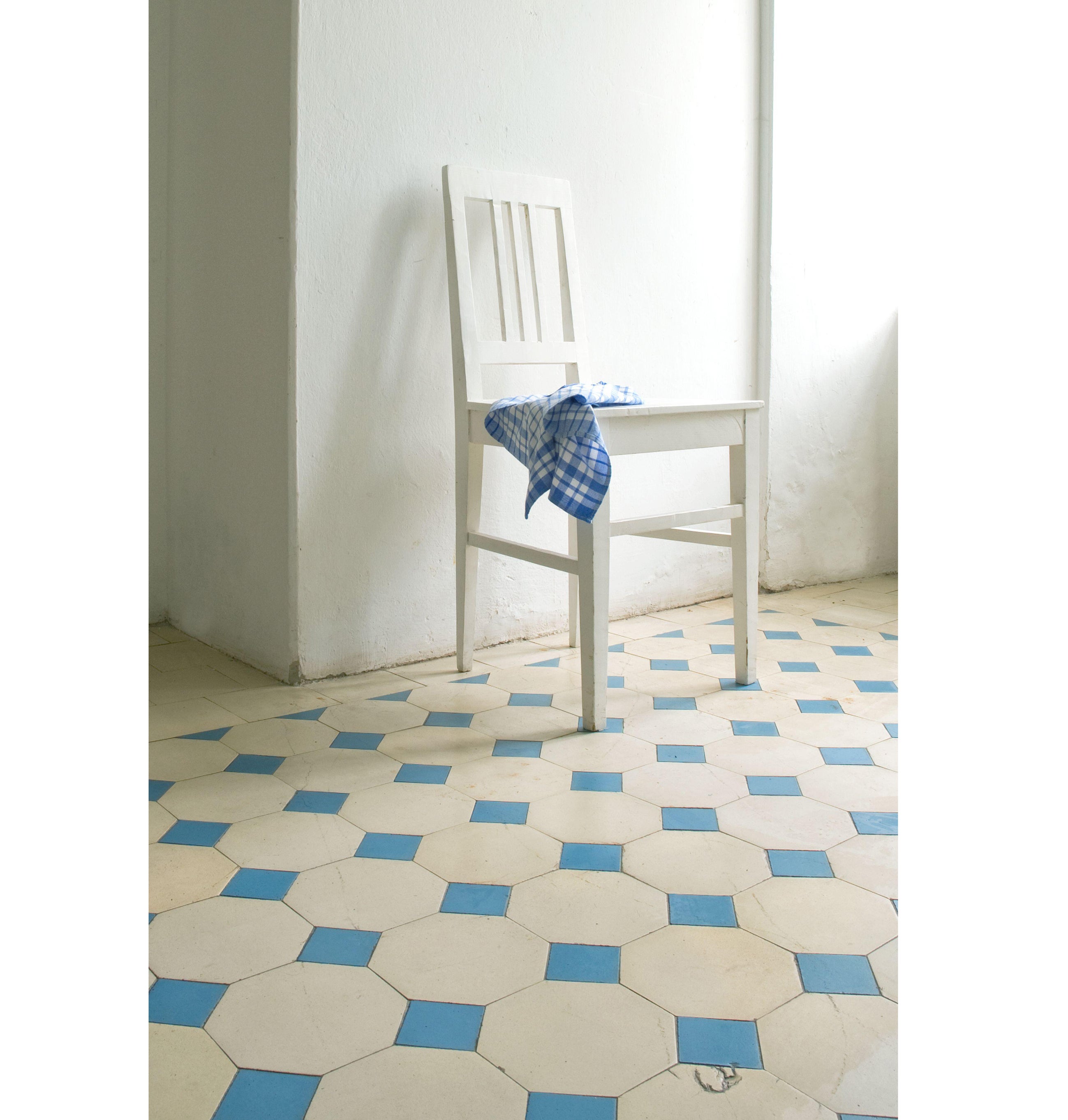
Common Issues and Their Causes
Cox notes that in most cases, the tile itself remains undamaged, and the problem typically stems from movement in the subfloor, expansion from underfloor heating, or adhesive that has deteriorated over time or was incorrectly applied initially. This can lead to gaps forming beneath the tile, causing instability, a hollow sound when walked on, and eventually, cracking or deterioration of the grout.
Thanks to modern repair techniques, completely removing and reinstalling tiles is often unnecessary and can be more disruptive and costly than required. “Homeowners tend to assume the tile is at fault,” explains Cox. “In most cases, it’s actually the underlying layer that has failed. If the tile itself is still sound, replacing it is not usually the best starting point.”
Repairing Tiles Without Removing Them
If the tile is intact and the issue lies with the adhesive beneath, Cox says it is possible to fix them without removal. Small holes can be drilled into the grout lines around the affected area, allowing a low-viscosity bonding compound to be injected underneath. This fills any gaps and restores full adhesion to the subfloor, resulting in a stable tile without the need to lift it or disturb the surrounding area.
Tackling Loose Tiles
Just because a tile is loose doesn’t mean it needs to be replaced. Injection adhesives are formulated to spread beneath tiles, sealing gaps and reinstating structural support. If the tile is structurally sound, this should be sufficient to restore stability.
Sounds You Shouldn’t Ignore
An echo underfoot may not seem like a big issue, but it could be an early sign of adhesive failure, warns Cox. Ignoring a hollow sound can lead to cracked tiles, grout deterioration, water damage, and further movement.
Re-grouting Isn’t Always the Best Solution
While re-grouting can improve the appearance of a floor, Cox points out that it doesn’t address the root cause of the problem. “Proper repair requires an adhesive that can penetrate beneath the tile and rebond it securely to the substrate.”
Benefits of Repairing Tiles
There is a misconception that fixing tiles is only a temporary solution, based on older patch-style methods. However, today’s adhesives are engineered to flow beneath tiles, remain flexible, tolerate temperature changes, and provide lasting stability. A well-executed repair can last the lifetime of the floor.

Tiles and Underfloor Heating
Tiles installed over underfloor heating can be repaired, provided the right adhesive is used and it is designed to cope with heat fluctuations and movement. Leaving voids untreated can reduce heating efficiency, create cold spots, and increase energy usage.
Why Replacing Tiles Isn’t Always the Best Solution
As Cox explains, replacing tiles is a labor-intensive process involving multiple stages: lifting tiles, removing old adhesive, preparing the base, re-laying, re-grouting, and sealing. There is also a risk of damaging surrounding tiles, particularly in older installations. Not to mention the inconvenience of clearing the space, dealing with dust, and noise.
Matching replacement tiles can also be difficult, especially if the originals have faded or are no longer available. This can result in visible inconsistencies or the need to retile a much larger area than planned.
When to Call in an Expert
“There are cases where replacement is unavoidable,” notes Cox. “When tiles are badly cracked or shattered, the subfloor is compromised, or there’s significant water damage.” In these instances, underlying structural issues must be resolved before any further work.
“That said, for tiles that are loose, hollow, or noisy, repair is often the more practical and cost-effective first option,” he adds.