The Growing Threat of Wildfires in Spain
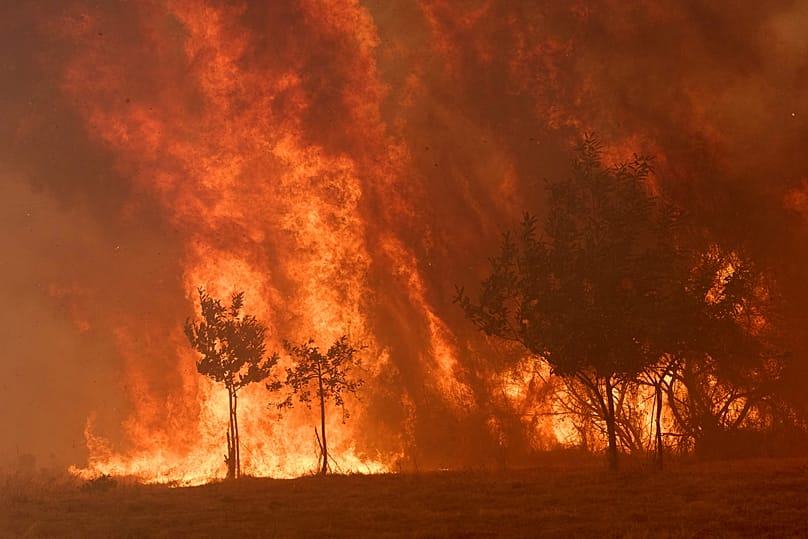
Every summer, wildfires wreak havoc across thousands of hectares in Spain. Rising temperatures, prolonged droughts, and the abandonment of rural areas—where fewer people and livestock are present—have led to an accumulation of dry vegetation. This creates a dangerous fuel source that can ignite and spread rapidly, turning vast landscapes into disaster zones.
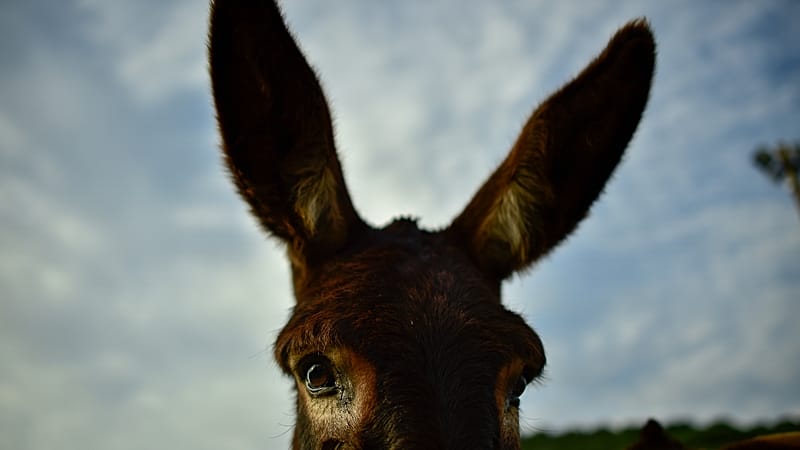
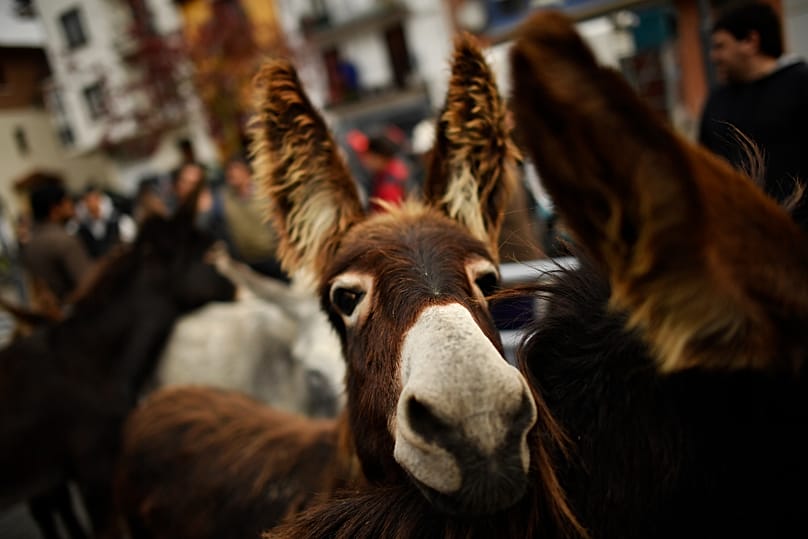
To combat this growing threat, some regions have turned to an innovative yet age-old solution: using donkeys as a natural tool for fire prevention. These animals, which have been companions to humans for over 7,000 years, are making a comeback in the hills, where they help clear undergrowth in a sustainable and continuous manner.
The urgency is more pressing than ever. By August 2025, nearly one million hectares had burned across different parts of the country, marking the worst fire season in three decades. Disaster zones were declared in Castilla y León, Galicia, Asturias, Extremadura, Madrid, and Andalusia. In response to this crisis, the silent but effective work of donkeys offers a slow yet powerful strategy: grazing daily on the vegetation that fuels fires.
The Origins of ‘Firefighting Donkeys’
Since 2014, 18 donkeys from the association El Burrito Feliz have been patrolling the outskirts of Doñana National Park. These animals, rescued from abandonment, have become known as “herbivorous firefighters” according to the association’s president, Luis Manuel Bejarano.
Mortadelo, Magallanes, Leonor, and Ainoa are part of this unusual brigade. They work up to seven hours a day between March and November, grazing strips of around 40 metres by 15 metres. Each day, they remove dry vegetation, reducing the risk of fire in their assigned areas.
This strategy has proven successful. Doñana has not recorded a forest fire in nine years. The project has even drawn attention from the Military Emergency Unit, whose personnel visited the park and symbolically “adopted” one of the animals.
Volunteers from the group Mujeres por Doñana support the initiative by providing water to the donkeys and supervising their work in areas that vehicles cannot reach.
Experts highlight that donkeys possess unique traits that make them ideal for this task. Unlike cows or sheep, they can feed on drier, rougher vegetation, steadily eating the scrub that helps fires spread.
Rosa María Canals, professor of ecology at the Public University of Navarre, notes that donkey grazing reduces vegetation and helps contain fires in increasingly dense and dry landscapes.
For decades, the mechanisation of agriculture led to the gradual disappearance of these animals. Their absence, along with rural depopulation and the abandonment of traditional grazing, has contributed to the buildup of natural fuel in the hills.
From Doñana to Catalonia and Galicia
The model has expanded to other regions. In Tivissa (Tarragona), the Burros Bomberos project, launched in 2020 with three animals, now has around 40 donkeys that clear close to 400 hectares. Since their introduction, promoters say there have been no fires in the area.
In Allariz (Orense), the Andrea Association uses donkeys to maintain nearly 1,000 hectares within a biosphere reserve. Equipped with GPS, the animals cover up to 19 kilometres a day as they feed on scrub. Similar initiatives have also emerged in Catalonia, Galicia, and the Basque Country, combining environmental conservation, rural regeneration, and fire prevention.
Those driving these projects emphasize that donkeys are not a silver bullet. Forest planning, land management, and reducing highly flammable species such as pine or eucalyptus trees remain crucial.
Despite this, the return of donkeys is proving to be an effective and sustainable tool. In a context of increasingly intense fires, the answer may, paradoxically, lie in reviving age-old practices to protect the landscapes of the future.