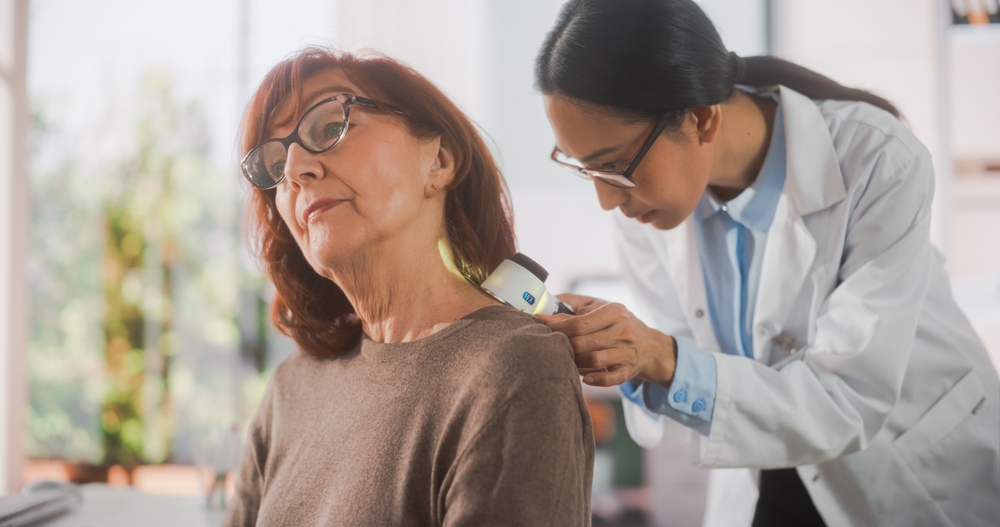
Skin cancer can be challenging to identify in its early stages because the changes typically occur gradually over time. Recognizing these subtle signs is essential for timely intervention. According to various health resources, individuals should pay attention to specific indicators that may signal the presence of skin cancer. These include small lumps, sores that do not heal, or red and scaly patches on the skin. Some people may also notice sores with a slightly raised border.
It is important to note that the symptoms of skin cancer can vary depending on the type of cancer. This variation underscores the need for vigilance and prompt action if any unusual changes are observed on the skin. A healthcare professional can conduct an evaluation to determine whether further investigation is necessary. Early detection is key to effective treatment and better outcomes.
Prevention in Everyday Life
The sun’s ultraviolet (UV) rays play a significant role in the development of skin cancer. According to the Danish Cancer Society, a substantial number of cases are linked to excessive exposure to UV radiation. Protecting oneself from the sun is therefore a critical step in reducing the risk of skin cancer.
There are several practical measures individuals can take to safeguard their skin. It is advisable to seek shade during the peak hours of sunlight, typically between 10 a.m. and 4 p.m. Wearing protective clothing, such as long-sleeved shirts and wide-brimmed hats, can also help shield the skin from harmful rays. Applying sunscreen with a high Sun Protection Factor (SPF) is another essential precaution, especially when spending time outdoors.
In addition to these steps, it is crucial to avoid the use of tanning beds. These devices emit UV radiation that can significantly increase the risk of skin damage and contribute to the development of skin cancer. Making informed choices about sun exposure and skincare habits can have a lasting impact on overall skin health.
Detect the Disease Early
Early detection of skin cancer is vital because it often allows for more straightforward and less invasive treatment options. When caught in its initial stages, many types of skin cancer can be effectively managed, leading to improved recovery rates. This makes regular self-examinations and awareness of potential symptoms even more important.
Research suggests that a significant number of skin cancer cases can be prevented through proactive measures. By combining symptom recognition with consistent sun protection practices, individuals can greatly reduce their risk of developing this condition. Staying informed and taking preventive actions are fundamental components of maintaining healthy skin.
Additional Information
For those interested in learning more about skin cancer and related topics, there are numerous resources available. These include information on other medical advancements, such as colonoscopies for older adults and innovations in water purification technologies. Additionally, discussions around public health concerns, like hygiene fears in restrooms, highlight the importance of staying informed and making educated decisions about personal and community health.
By understanding the risks associated with skin cancer and adopting preventive strategies, individuals can take meaningful steps toward protecting their health. Regular check-ups with healthcare professionals and staying up-to-date with the latest research and recommendations are essential parts of this process.