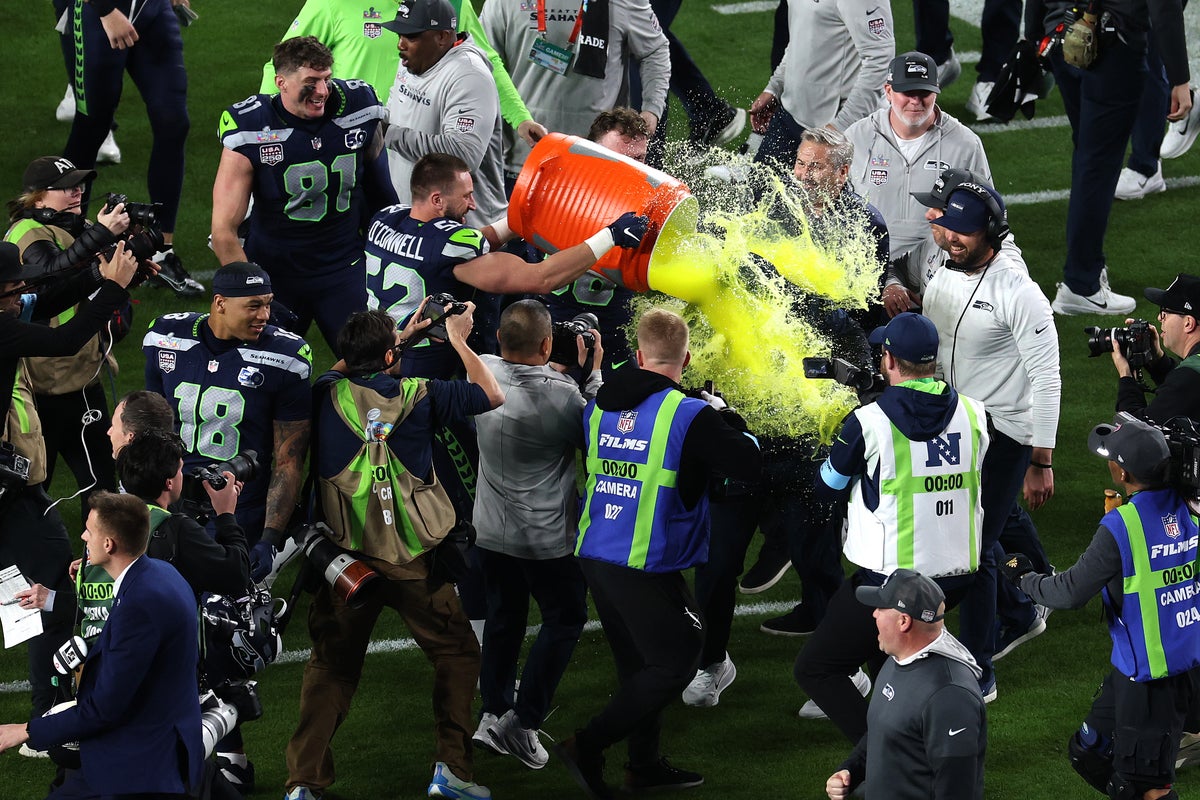
Gatorade’s New Strategy: Expanding Beyond Athletes
Gatorade, a brand that has long been associated with sports performance for over six decades, is now taking a major step in its strategic direction. The company is shifting its focus from elite athletes to everyday consumers who are looking for effective hydration solutions. This change is being driven by PepsiCo, the parent company of Gatorade, which aims to cater to a broader audience seeking hydration for various daily activities such as long flights, walks, or even recovery from a hangover.
New packaging designs will highlight the scientific backing and specific benefits of Gatorade’s diverse product line. This move reflects a growing interest among U.S. consumers in beverages that offer perceived health advantages. Jack Doggett, a food and drink analyst at Mintel, points out that 60% of sports drink buyers are not athletes but are drawn to functional ingredients like electrolytes for hydration and carbohydrates for energy.
“People are using these drinks more for wellness and daily maintenance,” Doggett observed. “It’s easy to say that the wellness consumer is the young consumer, but older generations are also drinking these drinks for hydration.”
Sales Trends and Market Competition
This trend is evident in sales figures, with sports drink mixes seeing a nearly 20% rise in unit sales in the year ending March 22, while bottled water sales remained flat. The lucrative hydration market has become increasingly crowded, with Mike Del Pozzo, president of U.S. beverages at PepsiCo, noting the entry of 150 new brands in recent years.
This competitive landscape is prompting Gatorade to more overtly communicate its scientific heritage. “Some that are coming in are building on the science that we created. And we’re like, ‘Well, geez, we should be doing that. We should be talking more overtly about the science and the business and why we believe we’re future-forward,’ Del Pozzo stated.
As part of this strategy, Gatorade will clearly label products that offer superior or faster hydration compared to water, including a new product, Gatorade Longer Lasting, launching next year, which combines glycerin and electrolytes for extended hydration.
Rivals Also Adapting to the Changing Market
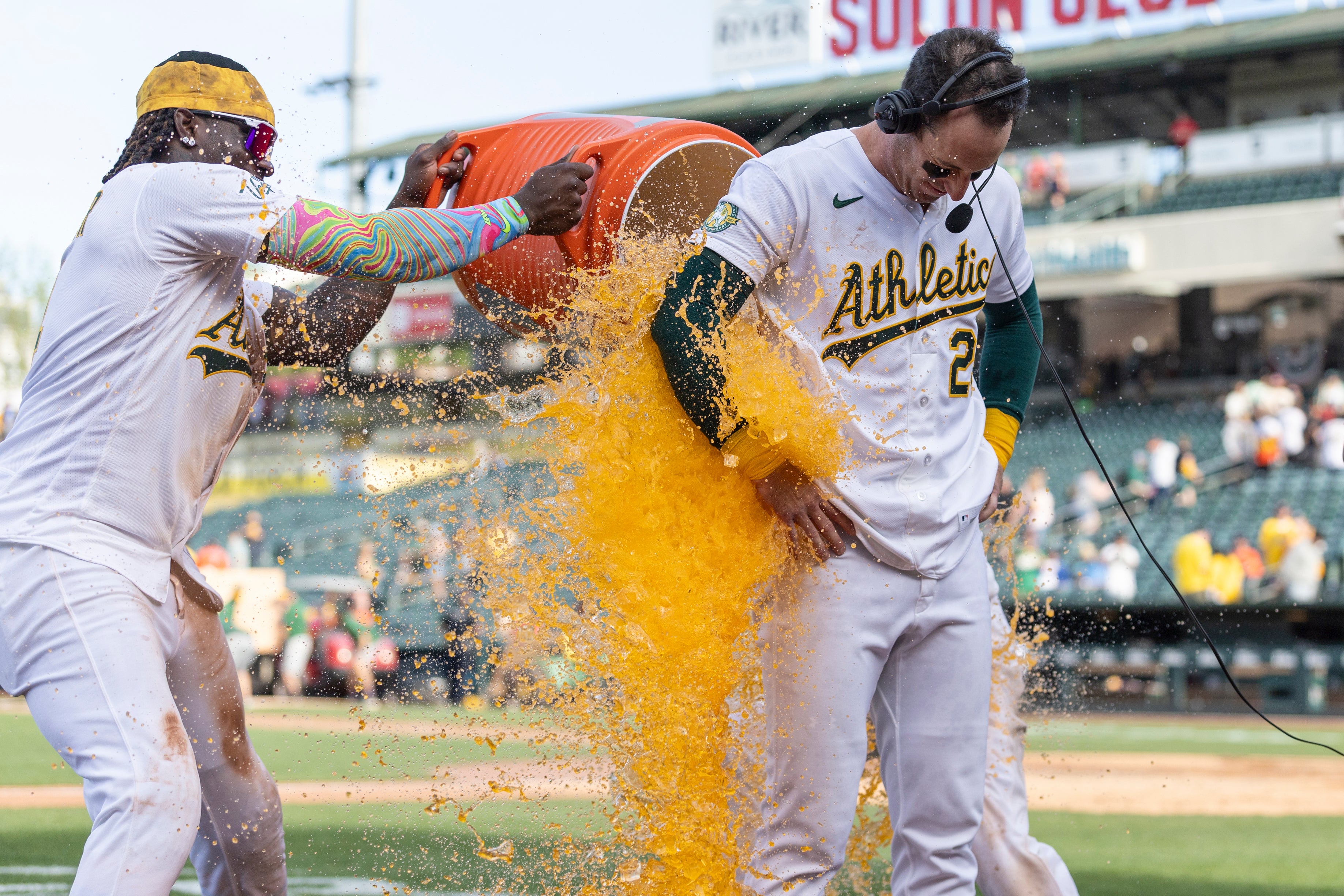
Gatorade’s rivals are also adapting to this evolving market. Coca-Cola Co.’s Powerade updated its packaging in 2023 to highlight increased electrolytes and introduced Power Water, an electrolyte-enhanced, zero-sugar drink for non-athletes. Similarly, Liquid I.V., initially a sports drink mix, was acquired by Unilever in 2020 and has rebranded as a wellness and hydration brand. LMNT also targeted non-athletes last fall with a smaller, 12-ounce version of its sparkling electrolyte drink.
Sean Harapko, a beverage sector leader with Ernst & Young Americas, underscores the need for companies to clearly define their products amidst abundant consumer choices, as Americans increasingly define their own paths to healthier living.
A Legacy of Innovation
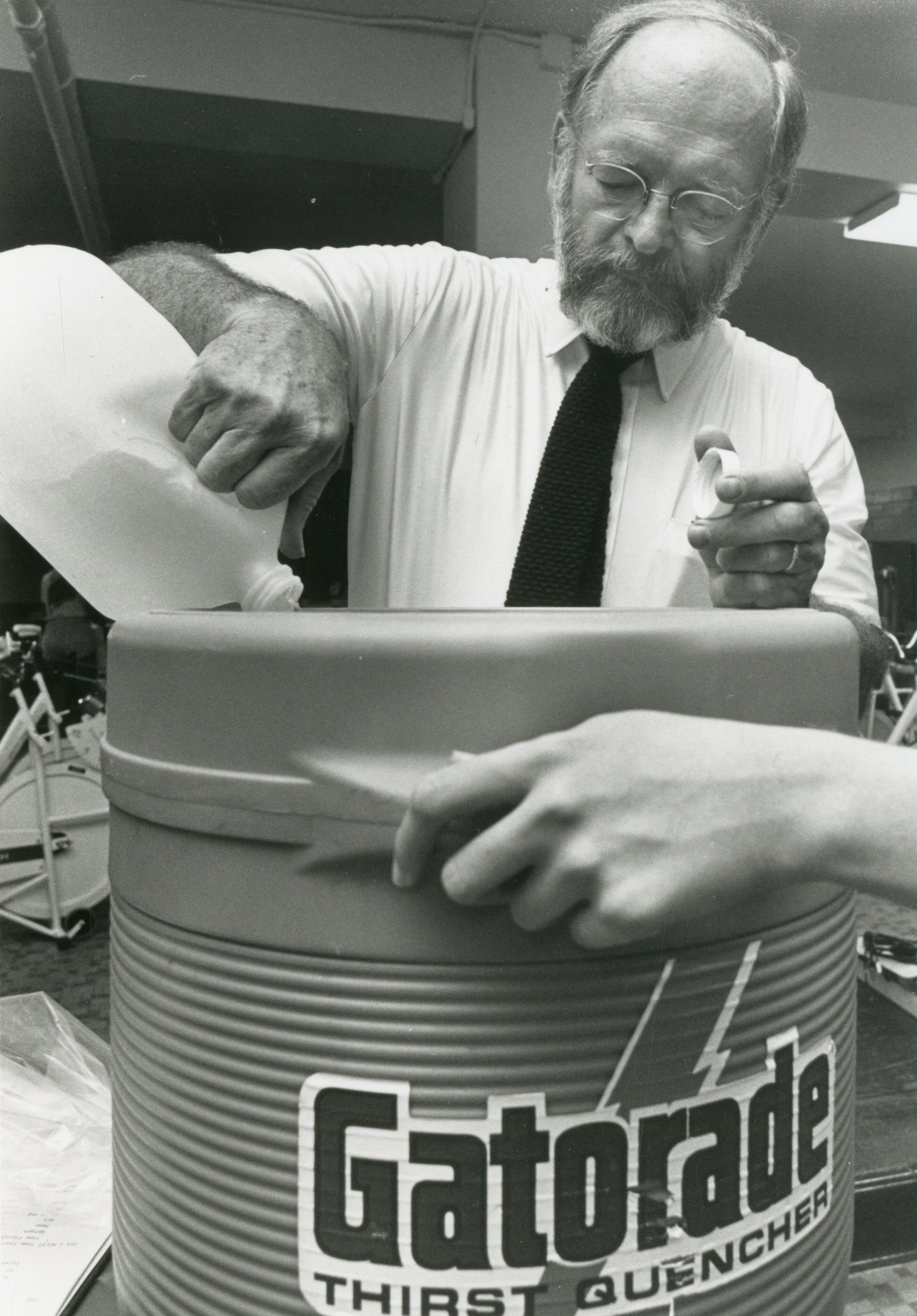
The brand’s origins trace back to 1965, when Dr. Robert Cade at the University of Florida developed Gatorade to replenish electrolytes lost by football players. Formulated with salt, sugar, and lemon juice, it quickly became synonymous with athletic performance. After acquisitions by Quaker Oats in 1983 and PepsiCo in 2000, which also saw the establishment of the Gatorade Sports Science Institute, the brand solidified its position in the sports drink market.
Despite its deep roots in athletic performance, Gatorade is now actively courting a broader audience. While products like Thirst Quencher will continue to serve athletes with their high sugar and carbohydrate content, Del Pozzo highlights the significant success of Gatorade Lower Sugar, a recent launch with 75% less sugar, in attracting new customers.
He contends that these lower-sugar options and the removal of artificial colors are expanding the brand’s appeal. “I think there were people that said, ’I didn’t exercise or I’m not out in the heat or I am not sweating.’ The reality is, everybody is sweating and dehydrated from the moment they wake up and many just don’t know it,” Del Pozzo asserted.
Expert Perspective on Hydration Needs
However, Travis Masterson, an assistant professor at Pennsylvania State University, offers a counterpoint, suggesting that average non-athletes typically obtain sufficient sodium from their diet and that the body’s natural thirst signal is usually adequate. “Gatorade 100% has a place, but is it going to be necessary for everybody? Do you need to hydrate faster or longer?” Masterson questioned. “The average person doesn’t need all the extra stuff.”