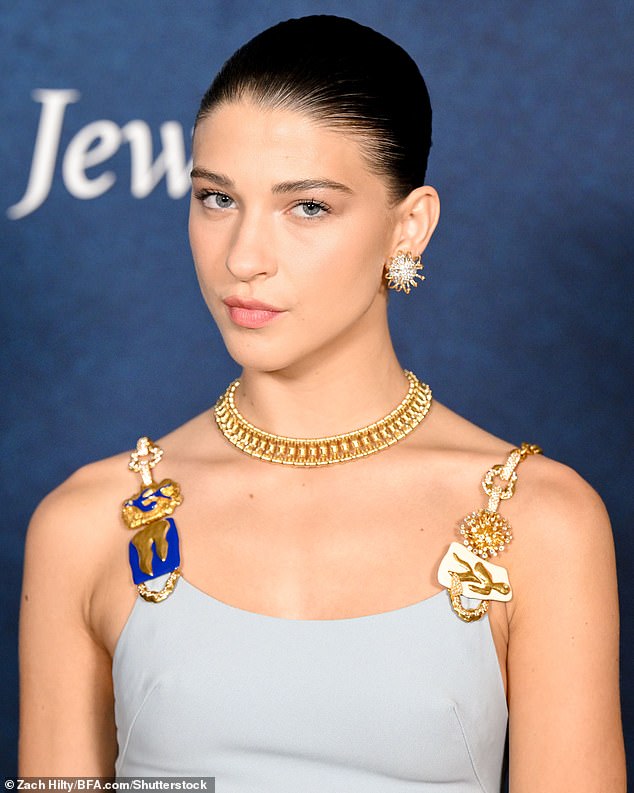
Phoebe Gates and the Challenges of Building a Tech Startup Without Her Family Name
For some individuals, leveraging their last name and famous connections to gain an advantage in their chosen career may seem like a natural step. However, for Phoebe Gates, the 23-year-old daughter of billionaire Microsoft founder Bill Gates and his ex-wife Melinda French Gates, she has set out to carve her own path in the tech industry without relying on her family’s legacy.
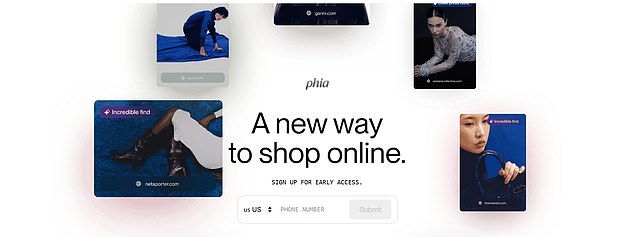
Phoebe’s venture, called Phia, is an AI-powered shopping app that helps users compare prices for clothing, shoes, and accessories across various online retailers. Launched in April 2025, Phia quickly gained attention, being named one of TIME’s Best Inventions of 2025. By January 2026, the company had secured $35 million in funding, bringing its valuation to $185 million just one year after its launch.
Phia also boasts a list of high-profile celebrity investors, including Kris Jenner, Hailey Bieber, SPANX founder Sara Blakely, Fanatics founder Michael Rubin, and former Facebook COO Sheryl Sandberg. Additionally, Phoebe and her co-founder, Sophia Kianni, host the podcast ‘The Burnouts,’ which launched under Alex Cooper’s Unwell Network.
Despite these successes, Phia has faced challenges as it aims to ‘reinvent’ the shopping experience. From accusations of lowballing content creators to backlash over Phoebe’s privileged upbringing, the startup has encountered growing pains in its journey to establish itself in the tech world.
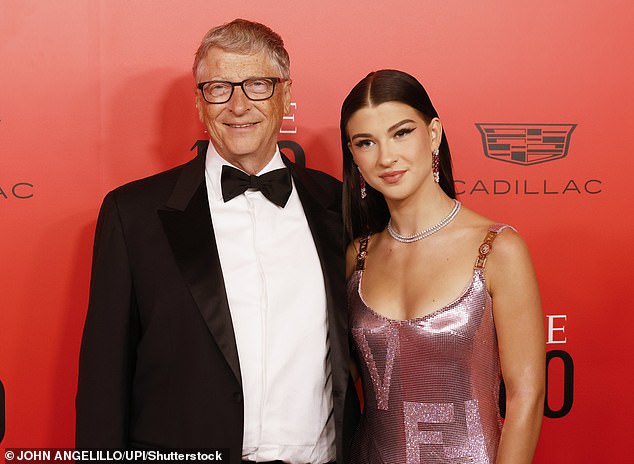
Industry Insiders Feel Slighted by Phoebe Gates’ Approach
In February, Phoebe publicly declared her determination to succeed in the tech world without the help of her family or connections. She emphasized that she has not received any financial support from her parents for Phia, instead relying on external investments.
“My primary motivation is I have a chip on my shoulder to build something generational that has no ties to me, my privilege or my last name,” she said on the Opening Bid Unfiltered podcast.
However, according to an unnamed industry insider, Phoebe’s insistence on building her business without the help of her parents has rubbed some people in the tech world the wrong way.
“I think a lot of people feel slighted by them, and I think they probably need a shift in terms of how they present themselves to the world,” the insider said.
While Phoebe’s transition from social media activist to tech entrepreneur may not be surprising to those who have followed her early career, her approach has sparked debate about how she should navigate her privileged background.
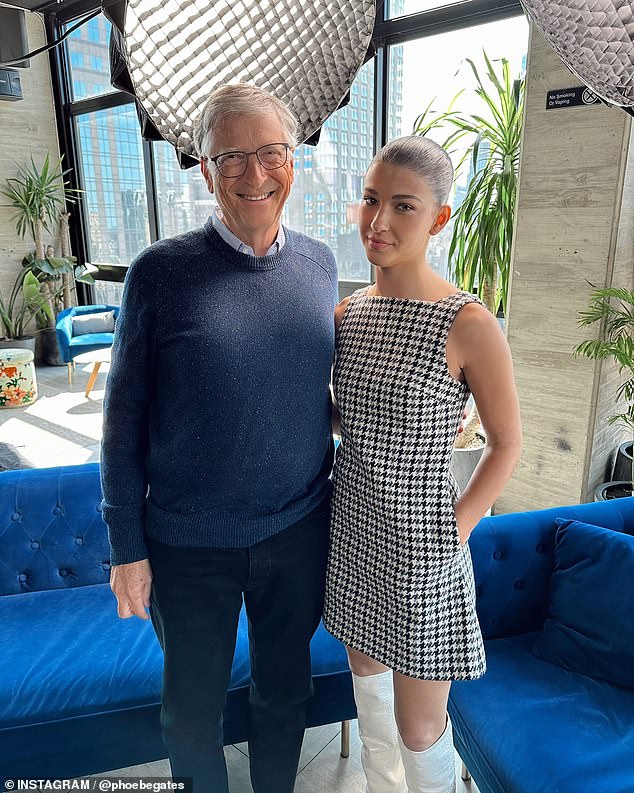
Phia Began as a Stanford Class Project
Phoebe was raised in Medina, Washington, an affluent suburb of Seattle, where her family’s home is valued at an estimated $131 million. She attended Lakeside School, the same private school her father graduated from, and later earned a Bachelor of Science degree in Human Biology from Stanford University.
It was at Stanford that Phoebe met her roommate and future business partner, Sophia Kianni, who had already made waves as a young climate activist. Together, they developed Phia as a class project — a browser extension that compared prices for secondhand fashion items.
They received a $250,000 grant from a Stanford social entrepreneurship program and attracted $100,000 in funding from Soma Capital. A Stanford professor encouraged them to move from California to New York to build Phia full-time.
Phia, a portmanteau of both Kianni and Gates’ first names, has branded itself as the ‘Google Flights’ of fashion.
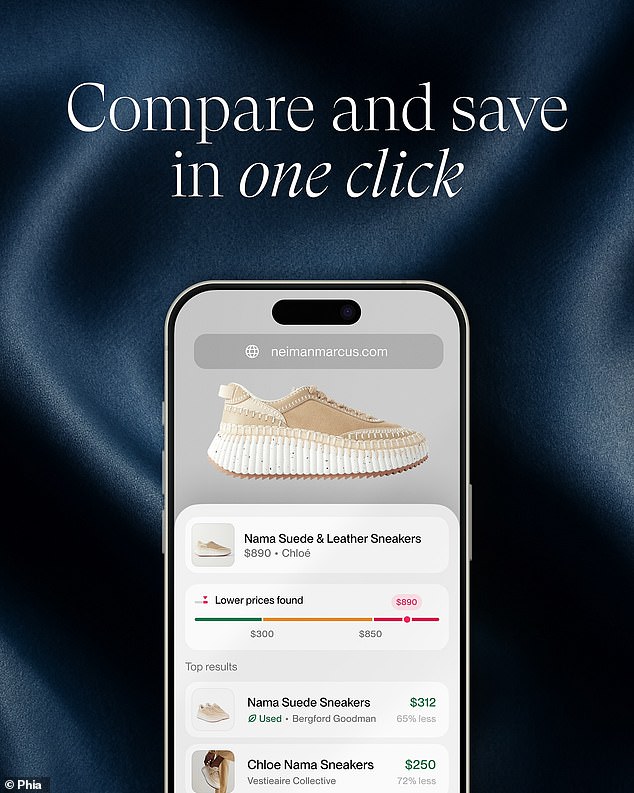
Phia Reaches $180 Million Valuation
Launched as an app and web browser extension in April 2025, Phia quickly gained traction, reaching 20,000 downloads within a week of its launch. Three months later, the app surpassed 370,000 downloads, and by September 2025, it had reached over 500,000 downloads.
Phia received $8 million in funding shortly after its launch, followed by another $35 million in January 2026, valuing the company at $180 million. While this is an impressive feat for any startup, some industry insiders argue that the market is already saturated with similar apps.
Lyst, Modesens, and Beni are among the existing platforms that offer price comparisons for fashion items. With such competition, some question whether Phia’s valuation is justified.
Backlash Over Phia’s Influencer Outreach
As Phia continues to grow, questions have emerged about how the company is using its funding. Phoebe has shared plans to use the money to further develop Phia’s AI-powered agent, hire more engineers, and expand its brand partner network.
However, the company’s outreach to influencers has drawn criticism. On TikTok, many videos promoting Phia follow a similar script — a young woman filming herself while asking, “Why is NO ONE talking about Bill Gates daughter’s app??” or “So who was going to tell me Bill Gates’ daughter made the most genius app EVER?”
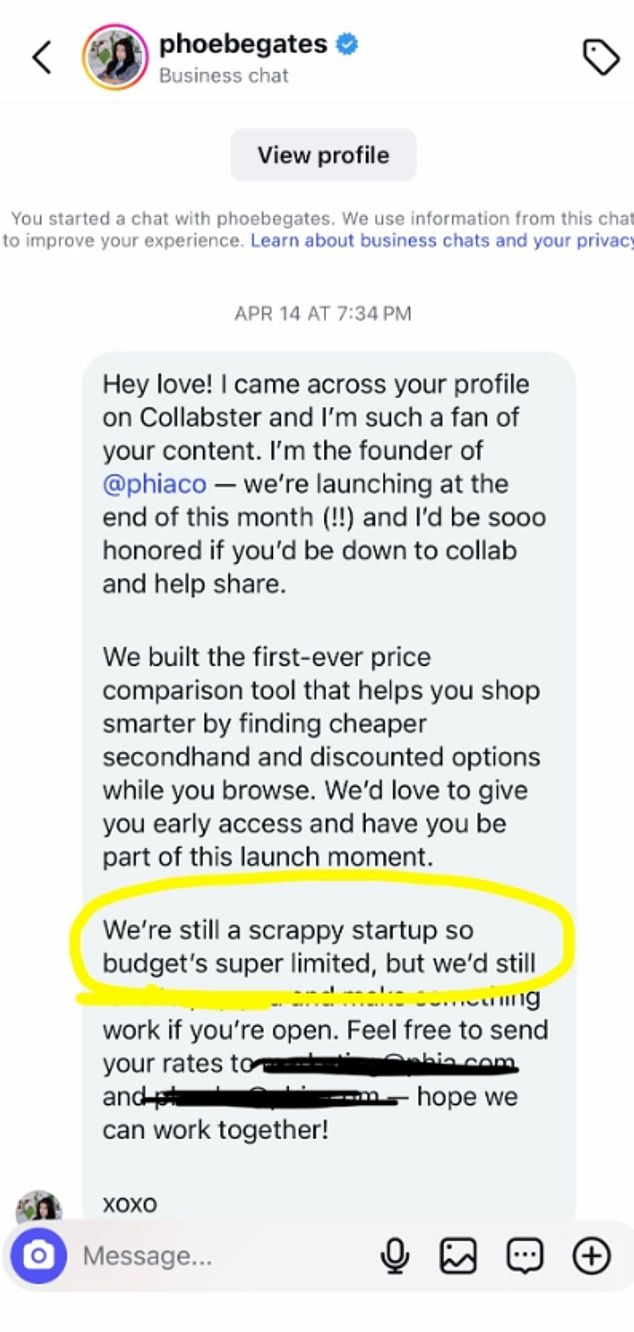
Some influencers have accused Phoebe of lowballing their rates for commission. Kacie Nicole Margis, a professional model and commercial actress, went viral on Threads after sharing a screenshot of her interaction with Phoebe on Instagram.
Influencers Call Out Phoebe Gates Over Pay Offers
Margis pointed out that Phoebe referred to Phia as a “scrappy startup” while coming from a position of extreme wealth. This, she argued, felt disingenuous and highlighted a common tactic used by well-connected founders to justify underpaying creators.
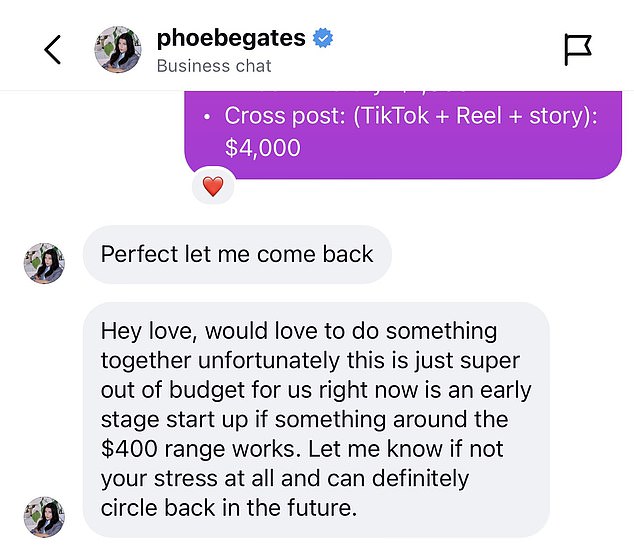
Similarly, influencer Raquel Debono recently went viral when she shared a screenshot of her direct message with Phoebe, in which the founder offered a significantly lower rate than what Debono requested.
While many praised Phoebe for being frugal, some warned that undervaluing creators could damage her reputation, especially given her background.
Use of Personal Account for Outreach Sparks Criticism
Phoebe’s personal Instagram account, where she has 568,000 followers, often features posts about Phia’s achievements and professional photos. However, much of her outreach to potential brand partners has occurred through her personal account rather than the official Phia account.
This approach has drawn criticism, with some arguing that it sends the wrong message, especially when reaching out to creators who may not have the same level of privilege.
Phoebe Acknowledges Privilege and Family Ties
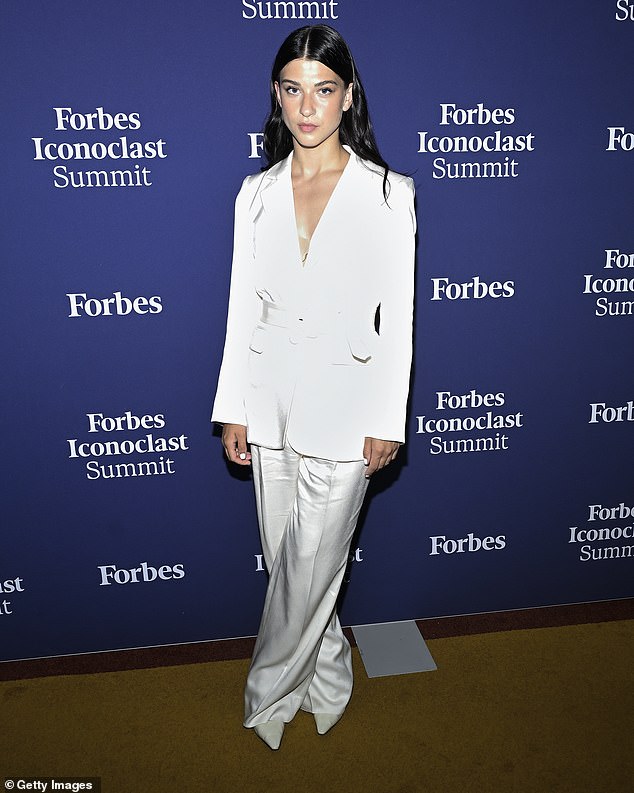
In interviews, Phoebe has spoken openly about her privilege and the challenges of building her own identity outside of her family’s legacy. In the debut episode of The Burnouts, she admitted to feeling insecure about her status as a “nepo baby” during her time at Stanford.
“I came in, I was like, ‘I’m so privileged, I’m a nepo baby.’ I had so much insecurity around that; you have no experience. You have nothing.”
Phoebe has also acknowledged the immense opportunities she has had because of her parents, stating that she wouldn’t have been able to achieve what she has without their support.

The Future of Phia
As Phia continues to grow, industry insiders agree that its true success will depend on its ability to connect authentically with customers. While the company has received significant investment and media attention, some believe that being more open about her background and showing genuine appreciation for the people who support her could go a long way in building trust and loyalty.
Representatives for Phia and Phoebe did not respond to multiple requests for comment.