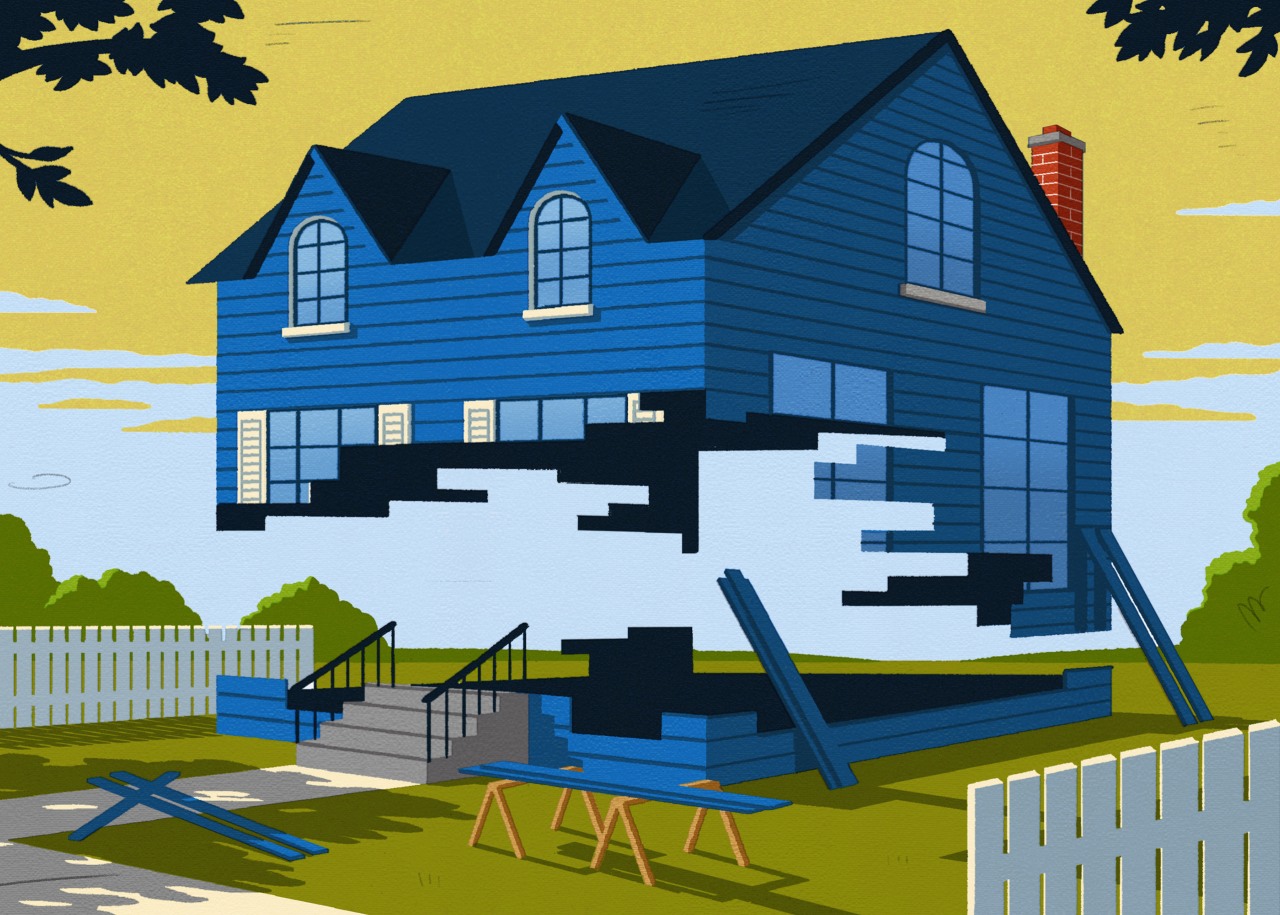
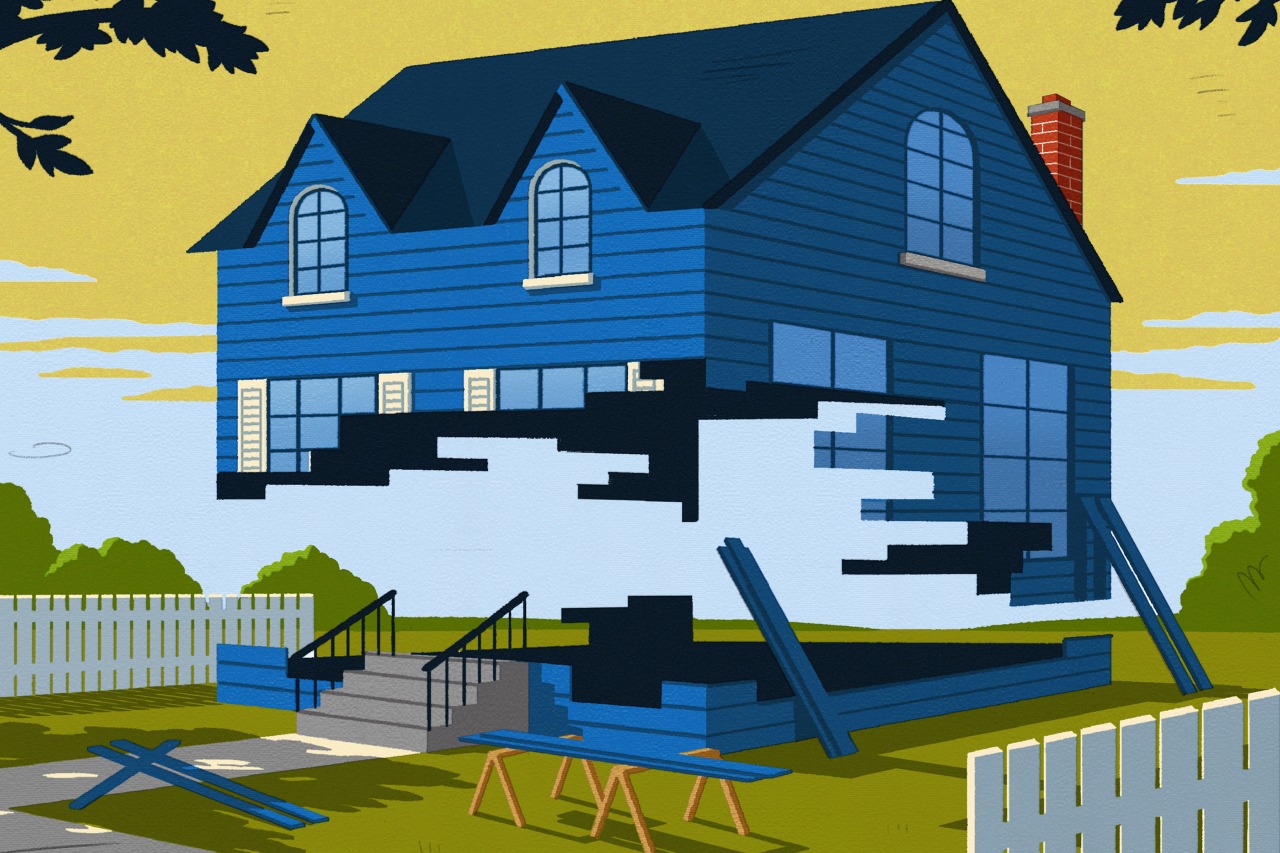
Remodeling a home can be one of the most significant financial commitments for any homeowner. For luxury homes, the average cost of renovation ranges from $120,000 to $250,000, depending on the location and complexity of the project, according to data from Angi, a home-services marketplace. However, what happens if a contractor abandons the project mid-way, leaving the homeowner with an incomplete job and a disrupted timeline?
Under a standard American Institute of Architects (AIA) contract, which is commonly used for high-end remodeling projects, contractors have the right to stop work or terminate the contract if they are not paid on time, said Jared Paioff, a real-estate litigation attorney based in New York City. Outside of this scenario, a contractor walking away from the job would constitute a breach of contract. While such situations are rare, industry experts warn that scammers often take advantage of homeowners by collecting payments and disappearing without completing the work.
To avoid this risk, it’s essential to hire the right contractor. Begin by checking candidates for proper licensing and insurance. Ask for references and read online reviews to gauge their reliability. In New York, for example, you can use NYCourts.gov to check for any lawsuits against a contractor. Other states also provide similar tools for conducting court record searches.
Even with thorough vetting, there may be cases where a contractor fails to complete the project. Bill Feinberg, president of Allied Kitchen and Bath in Florida, noted several warning signs: unreturned phone calls, stalled work, and the absence of inspectors to approve completed tasks.
AIA contracts offer some level of protection by ensuring contractors receive payments in installments after specific phases of the project are completed and an architect has approved the work. A properly structured contract should include a retainage clause, allowing the homeowner to hold back a percentage of the project cost—typically 10%—until the job is finished. This money can then be used to hire another contractor if needed.
Additionally, a liquidated-damages clause is recommended to keep the project on schedule. This clause requires the contractor to pay a set fee for each day the project is delayed beyond the agreed-upon completion date, unless the delay is due to circumstances outside their control.
If a contractor walks away from the job, homeowners must follow the terms outlined in their contract. This includes notifying the contractor, giving them a chance to resolve the issue, and, if no response is received, terminating the contract and hiring a replacement. If the cost of finishing the job exceeds the original contract price, the contractor is responsible for covering the difference. Disputes may then be resolved through mediation, arbitration, or legal action, as explained by Paioff.
Here are additional steps you can take to ensure a contractor completes your project:
Get a Permit
A contractor who refuses to obtain a building permit is a red flag. “In every case where a customer got into trouble, the common denominator was that the contractor didn’t obtain a permit,” said Feinberg. Contractors who secure permits are more likely to finish the job because failing to do so could result in losing their license.
Hire an Owner’s Representative
An owner’s representative acts as an intermediary between you and the contractor. Miltiadis Kastanis of Compass in Miami credits the success of a $1.5 million remodel of a Miami Beach condo to the skill of the owner’s rep. The rep helped identify potential issues, such as when a subcontractor nearly installed flooring incorrectly. Owner’s reps typically charge a monthly fee ranging from $5,000 to $10,000.
Ask for a Performance Bond
Performance bonds guarantee that a contractor will complete a project. If a contractor abandons the job or files for bankruptcy, the bond company will either arrange for the work to be completed or cover the additional costs up to the bond amount, said Diane Delaney, executive director of the Private Risk Management Association. These bonds are obtained and paid for by the contractor through a specialized company or insurance agent, with costs ranging from 1% to 3% of the project estimate.
Remember Subcontractors
Subcontractors have the right to file a lien against your home if they are not paid by the contractor. The contract should specify that, as each phase of the project is completed, the subcontractor who performed that work will provide a lien waiver to the owner. If the subcontractors have done their jobs but were not paid, consider paying them directly. To avoid double payments, get a release of claims and a lien waiver from the subcontractor.