Essential Tasks for Growing Healthy Orange Trees in April
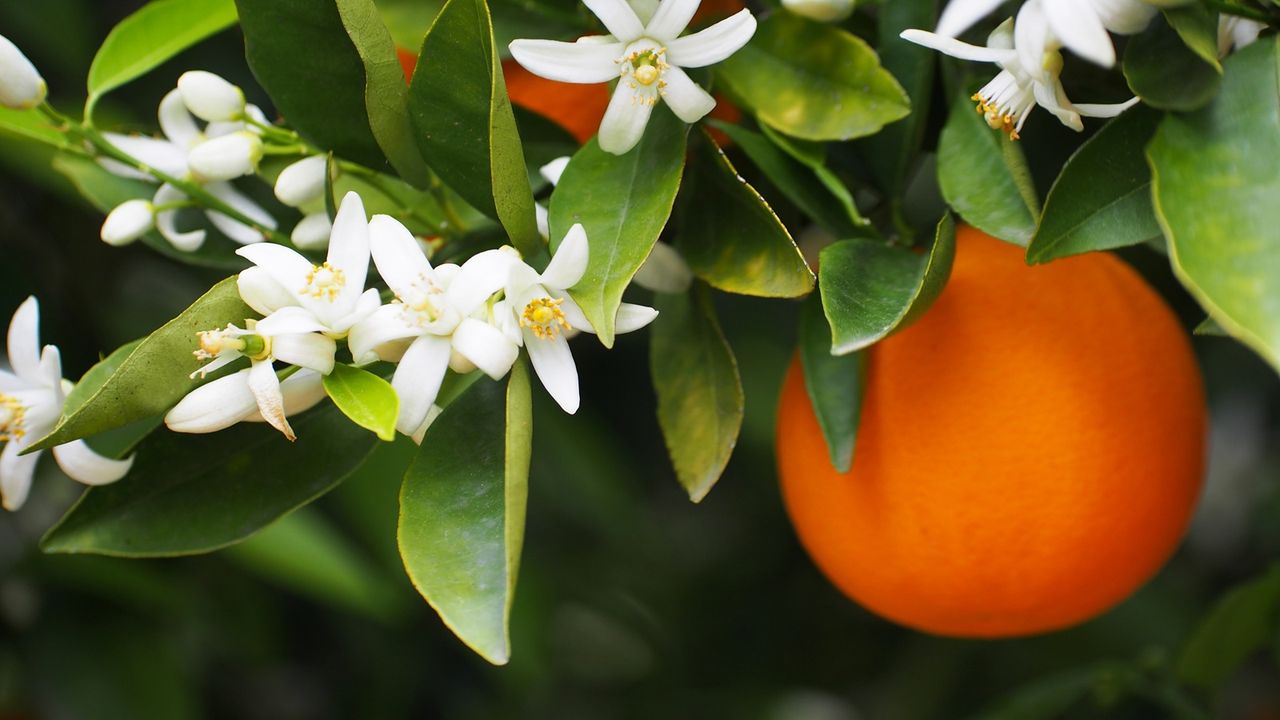
Orange trees are a striking addition to any garden or indoor space, thanks to their glossy leaves, fragrant blooms, and vibrant fruits. These ancient plants, originally from Southeast Asia, thrive in warm climates and well-draining soil, making them ideal for both indoor and outdoor cultivation. They require temperatures between 55°F and 85°F and cannot tolerate frost. Additionally, they need 6-8 hours of direct sunlight daily to develop and ripen their fruit, along with a period of cooler temperatures to enhance sweetness. While growing orange trees can be challenging, following the right care tips can make the process much more manageable.
Here are five essential tasks to perform in April to ensure your orange tree remains strong, healthy, and productive.
Give Indoor Pollination A Helping Hand
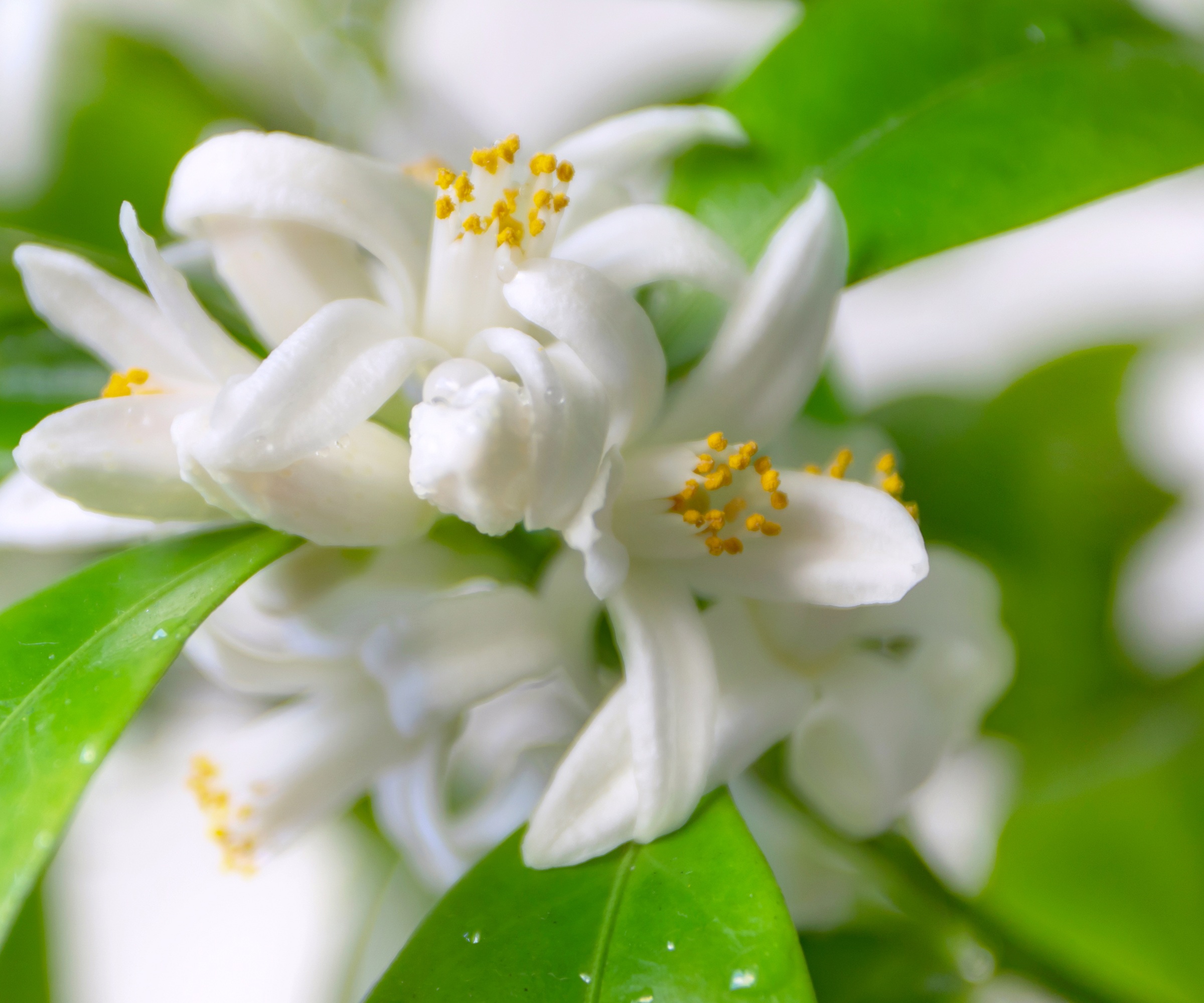
Depending on the variety, orange trees typically bloom in spring or summer. However, indoor plants may struggle with pollination due to the lack of natural pollinators like bees and butterflies. To help your indoor orange tree produce fruit, you can manually pollinate the flowers.
“Hand pollination is key for indoor plants if you want fruits,” says plant expert Sarah Logie. “To do this, simply swirl a tiny paintbrush, cotton swab, or even your finger from flower to flower to spread the pollen. Be sure to do this while the flowers are open.”
Soft, natural bristle brushes are ideal for this task and can be found at stores like Walmart.
Feed For Fresh Growth
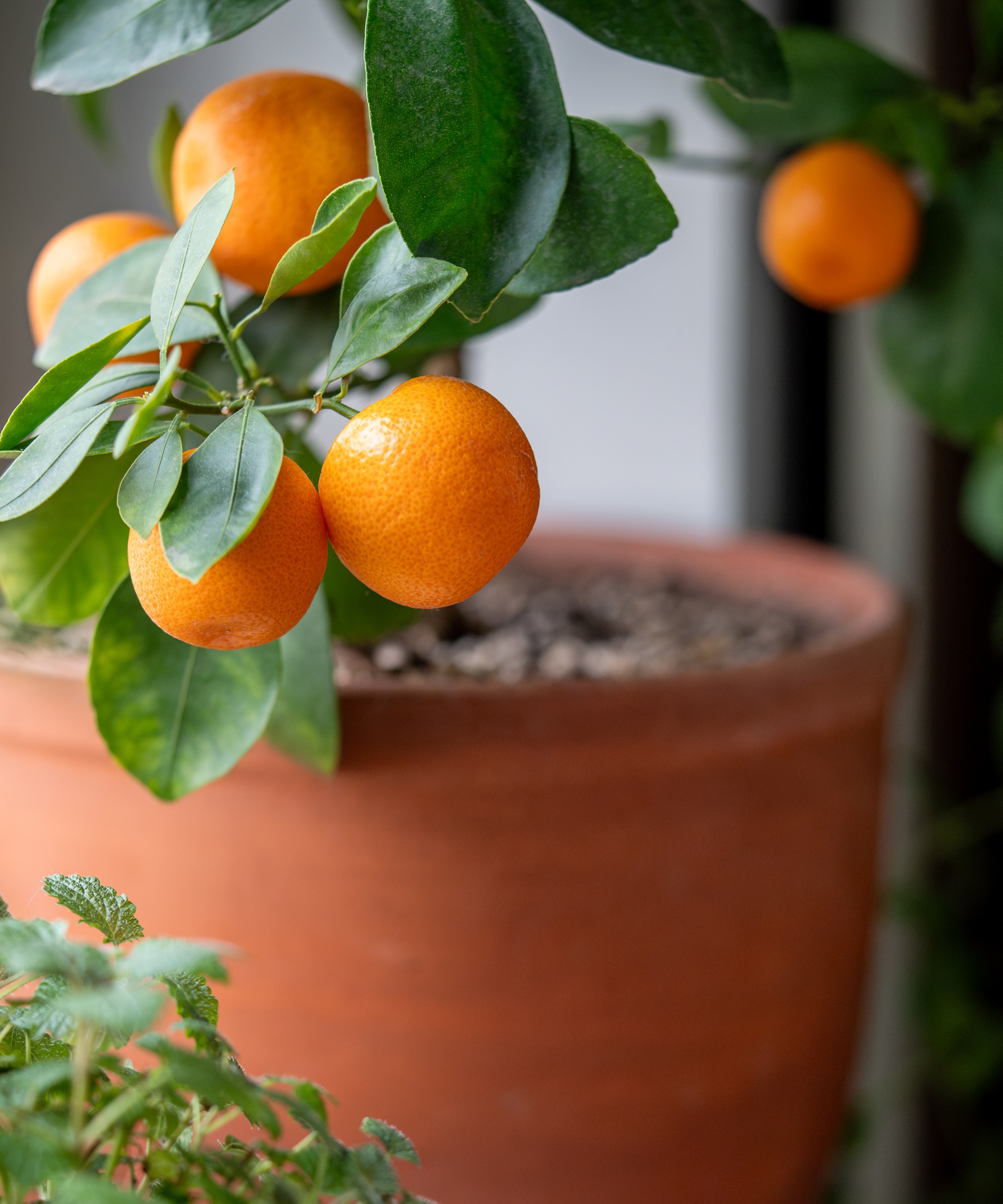
As temperatures rise and daylight hours increase, citrus trees begin to grow more actively. April is an excellent time to start feeding your orange tree to support this growth.
“April is a great time to start feeding your orange tree as it begins to grow more actively,” says plant expert Annie Morton. “Use a citrus fertilizer with extra nitrogen and important nutrients like magnesium and iron.”
Feed your tree every two to four weeks during spring and summer. Skipping feedings can lead to yellowing leaves, a sign that the tree is hungry.
In addition to regular liquid feeds, slow-release fertilizers can provide nutrients gradually as the tree grows. Adding organic amendments like compost at the start of the season also improves soil structure and promotes healthy root growth. You can find specific feeds such as Farmer’s Secret Citrus Tree Booster on Amazon.
Keep A Close Eye On Foliage
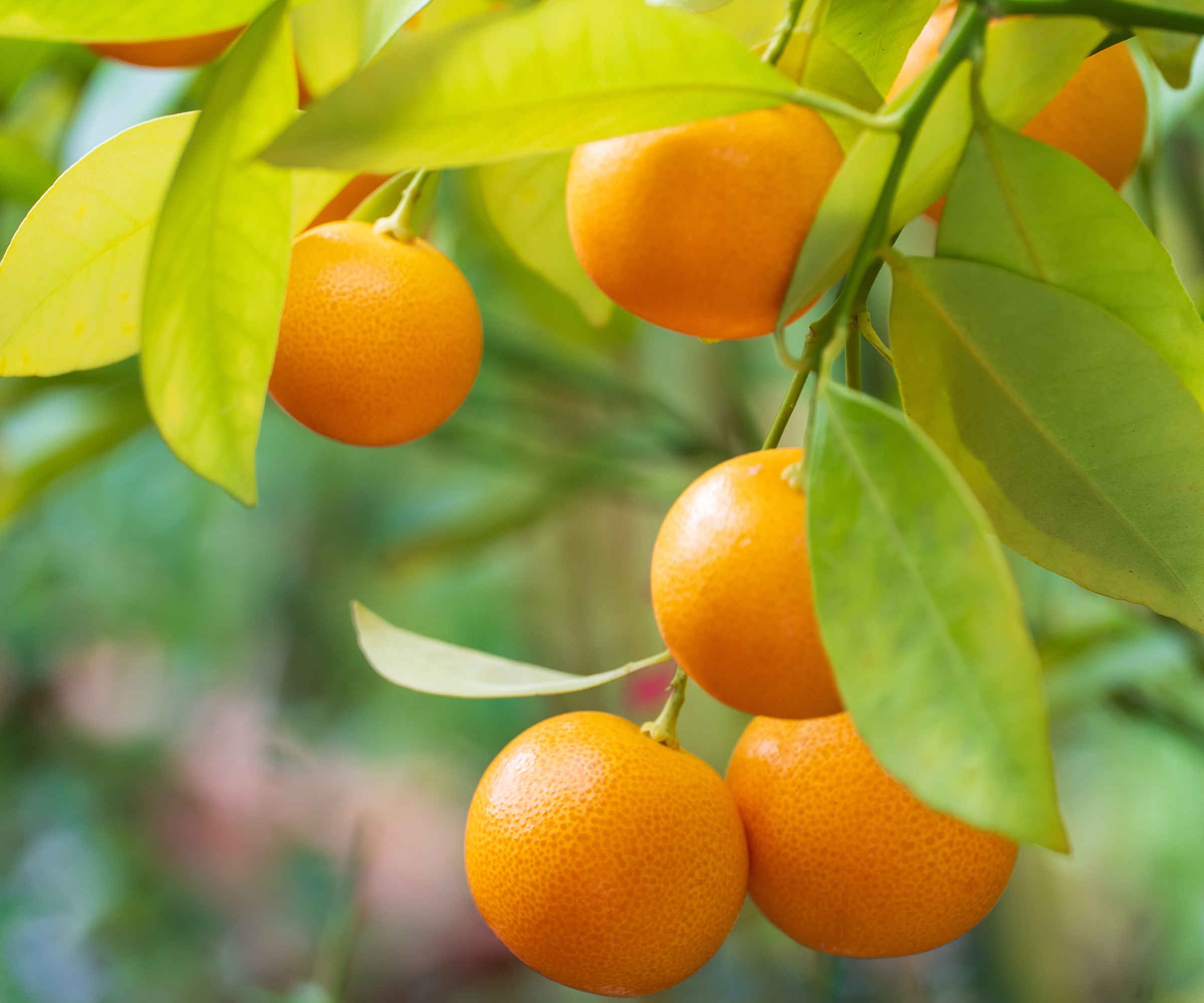
Orange trees are sensitive to environmental changes and often show signs of distress through their foliage. Leaf loss or discoloration can indicate issues such as overwatering, cold drafts, or nutrient deficiencies.
“It is normal for your orange tree to lose some leaves in April as it gets used to changes in light and temperature, especially if it spent the winter indoors and is moving back outside,” says Annie. “But if you notice a lot of leaves falling off suddenly, it could mean the tree is getting too much water, is exposed to cold drafts, or has experienced a big change in its environment.”
If leaf drop continues, check the roots and drainage. Nutrient deficiencies can also cause chlorosis, which leads to yellowing between the veins of the leaves. Fertilizing throughout the spring and summer months can prevent these issues. Citrus Fertilizer Spikes are an easy option, and Miracle-Gro Fruit & Citrus Plant Food Spikes can be found on Amazon.
Start Watering Regularly
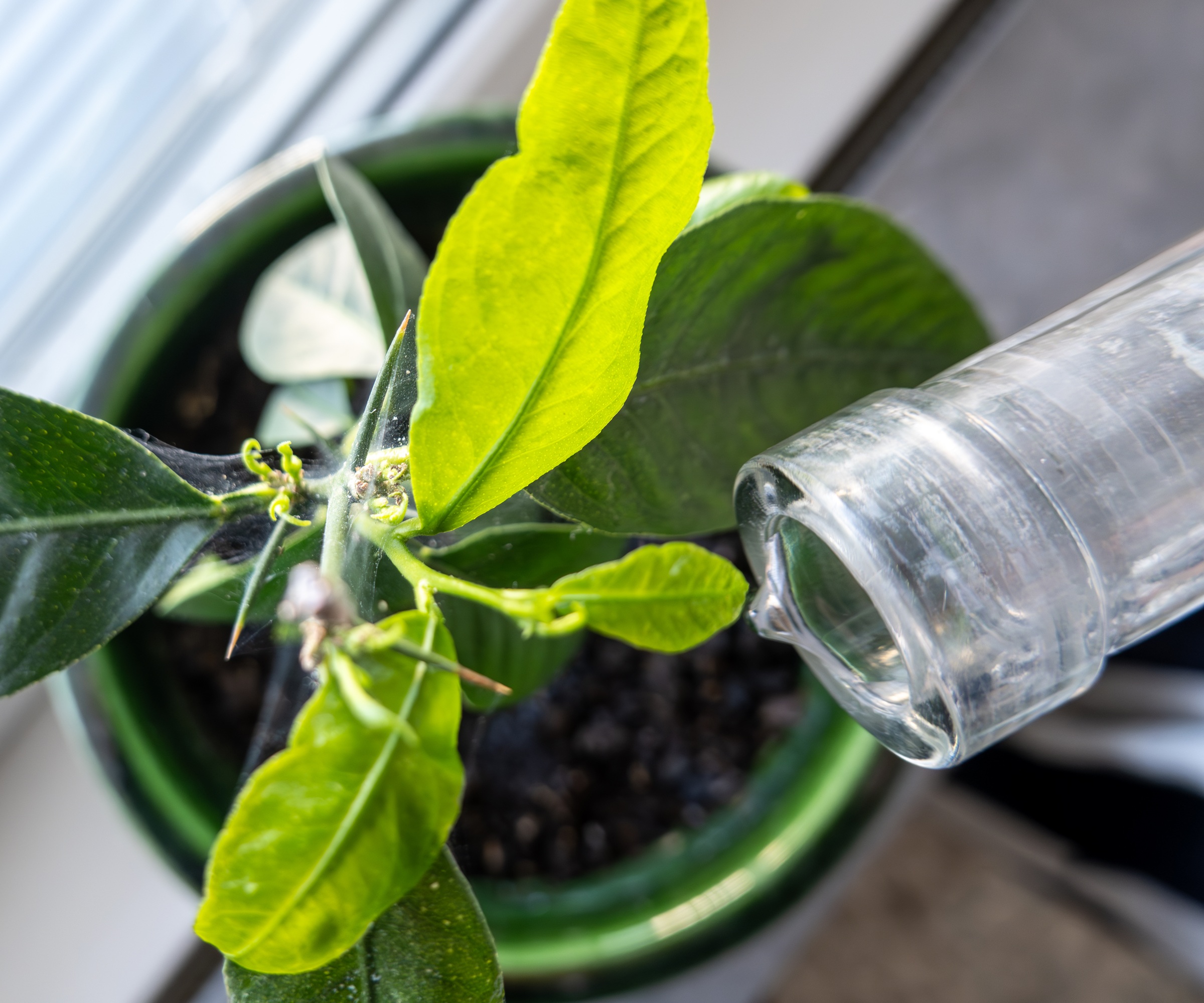
Orange trees require well-draining soil and cannot tolerate sitting in water. While checking the top inch of soil is an effective way to determine if a potted plant needs watering, in-ground plants can be trickier to monitor.
“For in-ground plants, monitor the soil to make sure it stays on the slightly moist side,” says Sarah. “Citrus plants won’t tolerate sitting in excess water. If you notice that spring rainfall is causing excess water to collect around your plants, try to divert the water or add substrate to the soil to increase drainage.”
Rainwater is preferable for citrus trees because it is naturally soft and slightly acidic. Tap water in hard-water areas can alter soil pH over time. To improve drainage for container-grown orange trees, add clay pebbles from Walmart to a plant saucer and raise the container using pot feet also available at Walmart.
Prune Out Dead Growth
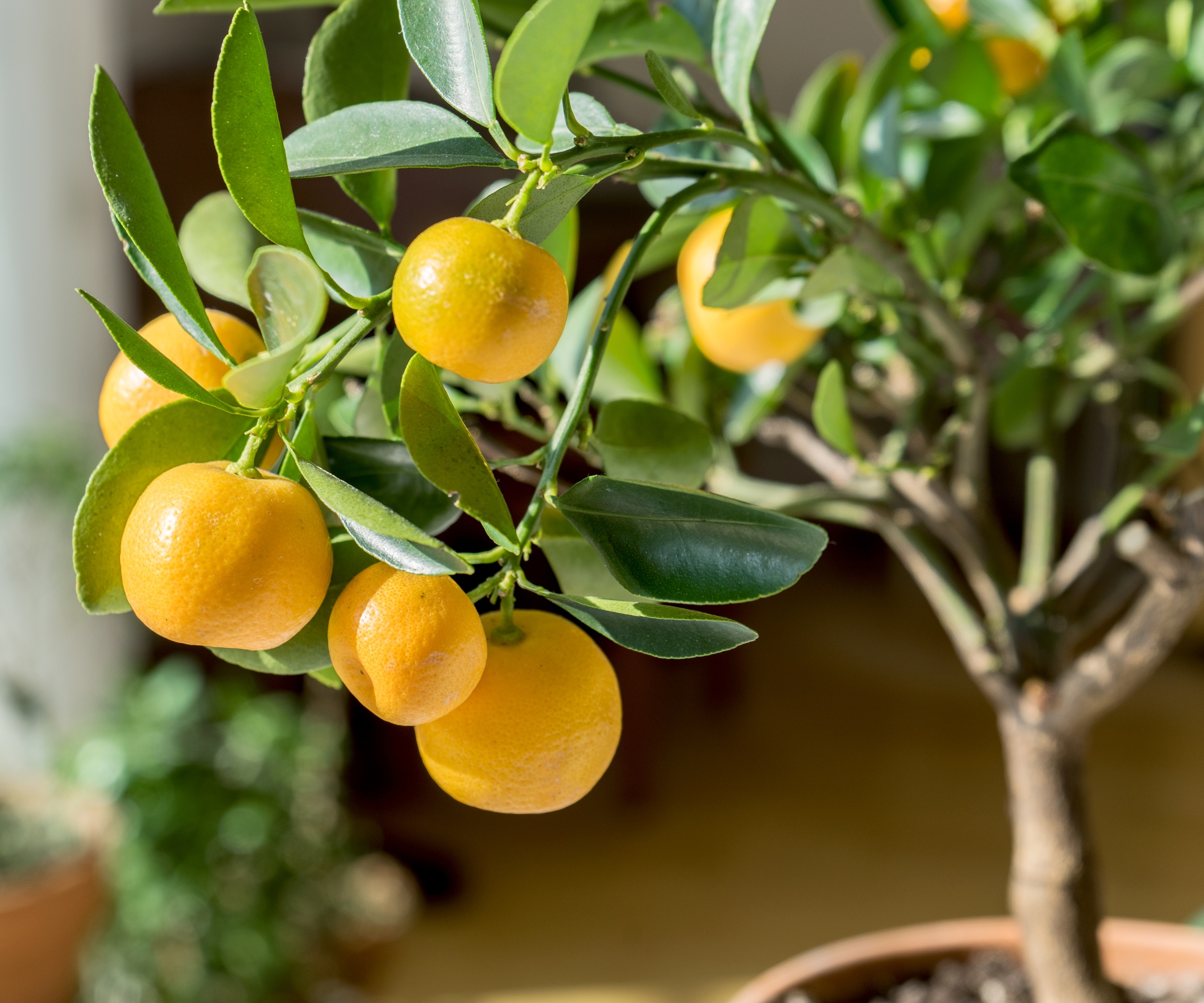
April is the perfect time to prune your orange tree and remove any dead or dying branches. Cut back to the main stem or a healthy bud, making a clean 45-degree angle cut. Crossing branches should also be removed to prevent disease and improve air circulation.
Mature plants may produce suckers at the base, which should be cut away as they divert energy from the main stem. Narrow-bladed hand pruners, such as those available on Amazon, are ideal for this task.
By following these April care tips, you can ensure your orange tree thrives and produces delicious fruit. Exploring the best fruit trees to grow in pots is a great starting point, especially if space is limited. There are also other unusual fruits to grow, such as fragrant kumquats and the striking Buddha’s Hand (Citrus medica var. sarcodactylis). For more inspiring garden ideas and outdoor advice, sign up for our newsletter and get the latest features delivered straight to your inbox.