
A commemorative stone is being unveiled later this year to honor the memory of those who lost their lives 200 years ago when troops opened fire on Lancashire mill workers protesting against extreme hardship. The event marks a significant moment in history, highlighting the struggles of the working class during the Weavers Uprising of 1826.
During the Weavers Uprising, thousands of loom workers rebelled against high food prices, low wages, and the introduction of cheaper weaving machinery. The unrest was driven by growing poverty and desperation, as families faced the threat of starvation. In Chatterton, workers targeted mills and destroyed over 1,100 power looms as a symbolic act of defiance against the system that had left them destitute.
Dr David Scott, a researcher who has studied the revolt, emphasized the dire conditions faced by the workers. He explained that people had been struggling for decades to make ends meet, often selling all their assets and having nothing left. “There was an economic crisis, people were starving to death, and nobody was doing anything to help them,” he said.
The uprising saw thousands of people take to the streets and factories, smashing looms to send a clear message to those in power that urgent intervention was needed. “People who had very low wages suddenly found themselves with no wages,” Dr Scott added. “This whole area was facing the specter of starvation.”
The response from the soldiers was described as brutal. Dr Scott noted that bullets were fired into the crowd indiscriminately. “They fired somewhere between 400 to 600 bullets into a crowd of 3,000,” he said, adding that bystanders were also hit.
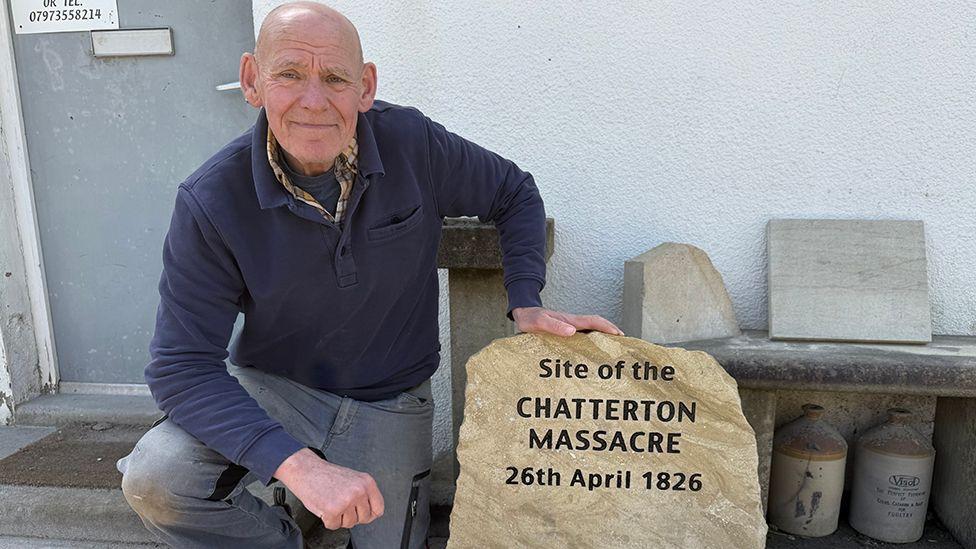
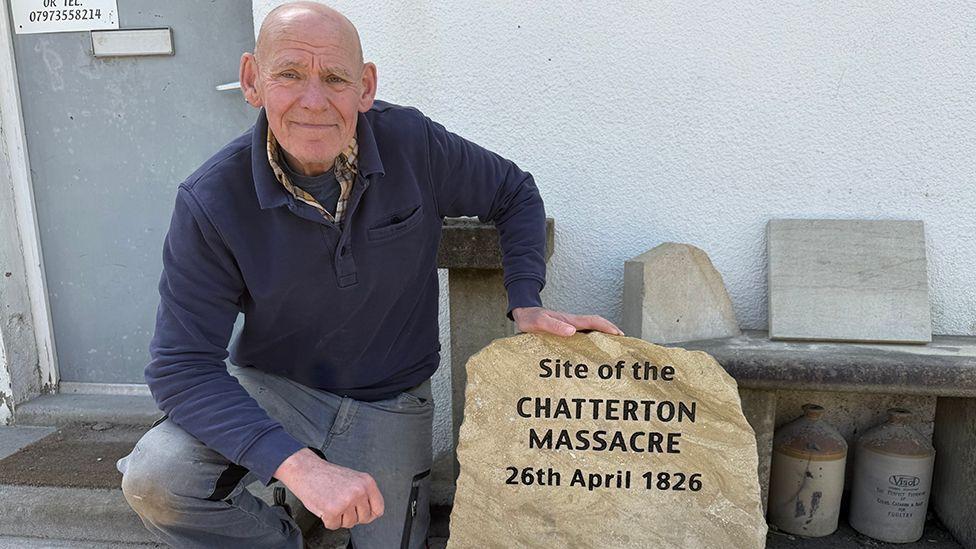
The commemoration stone, crafted by local stonemason Dave Greenhalgh, will be unveiled at the site where the massacre occurred in Chatterton village. The names of those who died, including those who later succumbed to their injuries in custody, will be read out, and a wreath will be laid in their honor.
In addition to the unveiling, there will be bicentennial talks, a touring exhibition of libraries in Pennine Lancashire, and a series of walks retracing the route the marchers took on their way to destroy the looms. These events aim to educate the public about the historical significance of the uprising and its impact on the region.
What happened during the Weavers Uprising of 1826?
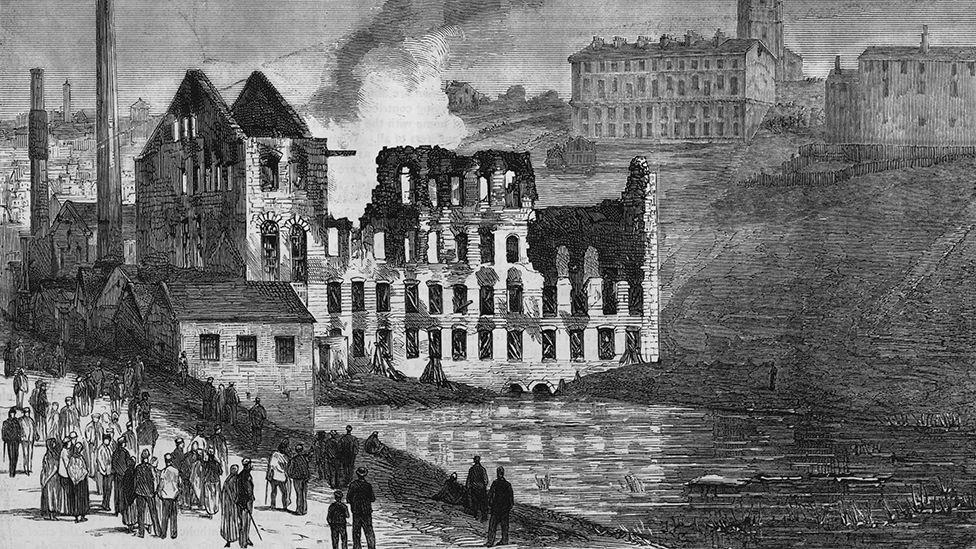
Thousands of men and women across Pennine Lancashire took to the roads, streets, and factories, destroying more than 1,100 power looms to send a symbolic message to those in power that they desperately needed intervention. There had been an economic crisis, and people were starving to death with no assistance coming their way.
Three thousand people made their way down from Royton’s Mill in Edenfield to what would have been Aitken and Lord’s Mill. When they arrived, they were met by the 60th Duke of York’s Own Rifles soldiers and cavalry. There is some debate over whether the Riot Act was read, which authorized local authorities to declare any group of 12 or more people as unlawfully assembled. However, the soldiers opened fire regardless.
At least six people were shot dead by soldiers, while many others were injured and later died from their wounds. Some participants were sentenced for their involvement in the riots at Lancaster Castle. One of them, Mary Hindle, was sentenced to death along with thirty-five men and five women. Her sentence was later commuted to transportation for life to Australia.
Leaving behind her husband and six-year-old daughter, Mary set sail in April 1827 on the convict ship Harmony. She arrived five months later but took her own life in 1841.
Listen to the best of Radio Lancashire on Sounds and follow Lancashire on Facebook, X, and Instagram. You can also send story ideas via WhatsApp to 0808 100 2230. More on this story: Academic’s quest to commemorate 1826 mill massacre, Unlikely 50-year friendship that started in a mill, When Gandhi met Darwen’s mill workers.