The Royal Tradition of Boarding Schools
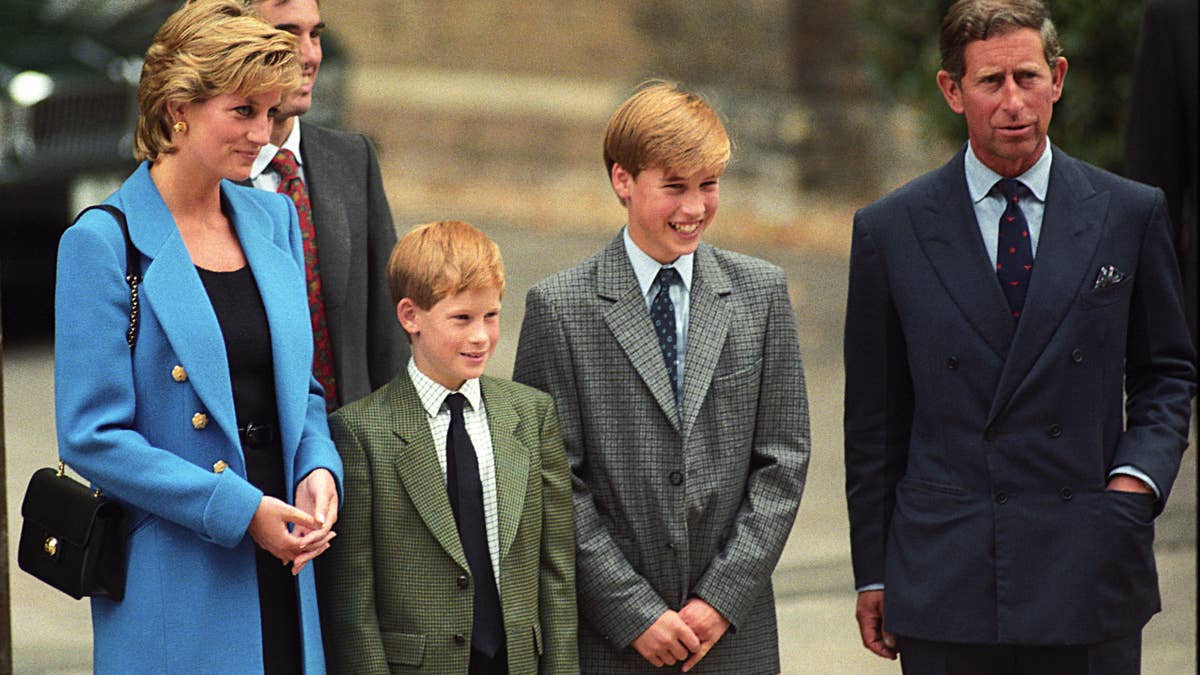
Princess Diana faced numerous challenges while raising her sons, Prince William and Prince Harry, particularly in adhering to the royal traditions that governed their upbringing. One of the most significant aspects of this tradition was sending children to boarding schools at a young age. This practice had deep roots in the royal family, with King Charles III being the first heir apparent to attend such an institution rather than being educated by private tutors at the palace.
Charles was sent to Cheam School in Newbury at the age of 8 and later attended Gordonstoun in Scotland at 13. His father, Prince Philip, was a notable alum of the school. Despite his early struggles, including instances of bullying, Charles eventually came to appreciate the experience. In 1975, he reflected on the positive impact of his schooling, stating, “I am lucky in that I believe it taught me a great deal about myself and my own abilities and disabilities.”
A New Royal Tradition
When it came to his own sons, Charles wanted to continue this tradition by sending them to boarding school at age 8. However, Diana’s own experiences with boarding school were quite different. She attended Riddlesworth Hall School near Thetford at age 9 and later West Heath Girls’ School in Kent at 12. While she excelled in sports and community service, she struggled academically and left the school at 16.
Diana’s brother, Charles Spencer, shared insights into her difficult time at school. He claimed that Diana once told her father, Edward John Spencer, “If you loved me, you wouldn’t leave me here.” Given her personal challenges, Diana was conflicted about sending William and Harry to boarding school so young. Although it was agreed that they would start at age 8, she pushed back on them attending Gordonstoun and “insisted” they be closer to home.
A Complicated Decision
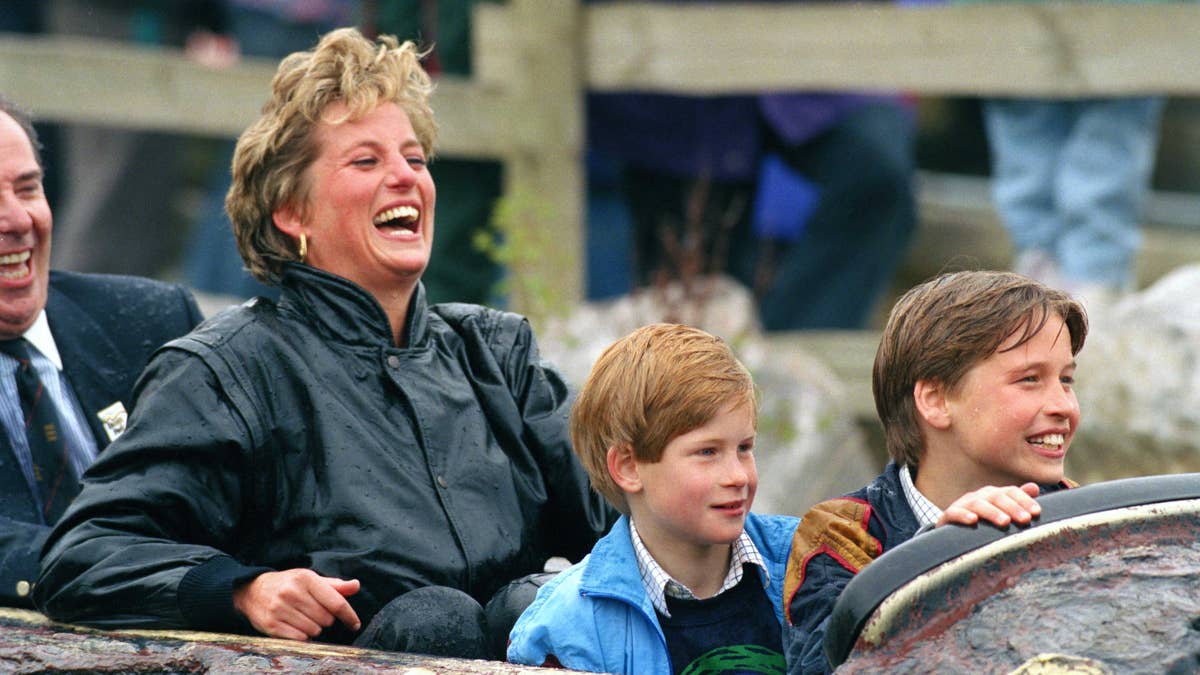
William and Harry attended Ludgrove School in Berkshire before moving on to Eton College in Windsor at 13, where Diana’s father and brother also studied. Diana was reportedly “in tears” when she dropped William off for his first day at Ludgrove School. Despite the emotional struggle, she maintained a very “hands-on” approach with her children, often sending them the “rudest cards you could imagine” to make them laugh.
Over time, Diana came around to the idea that boarding school offered her sons a more “normal” life, thanks to the privacy and socializing opportunities with their peers. This decision, however, was not without its challenges. William generally loved his time at Eton, with royal experts claiming it was a “safe harbour” for him in the years following Diana’s death in 1997. He excelled in academics and was involved in water polo and soccer teams.
Harry, on the other hand, had a different experience. In his 2023 memoir, Spare, he expressed that he “didn’t enjoy” his years at Eton and “had a lot of anger” as he struggled with isolation and loneliness. This contrast in their experiences highlights the complex nature of the royal tradition of boarding schools and the personal challenges each individual faced.