A Historical Timeline of Significant Events
Throughout history, numerous events have shaped the world in profound ways. From cultural milestones to political and scientific breakthroughs, these moments have left lasting impacts on society. Below is a chronological list of notable events that have occurred over the years.
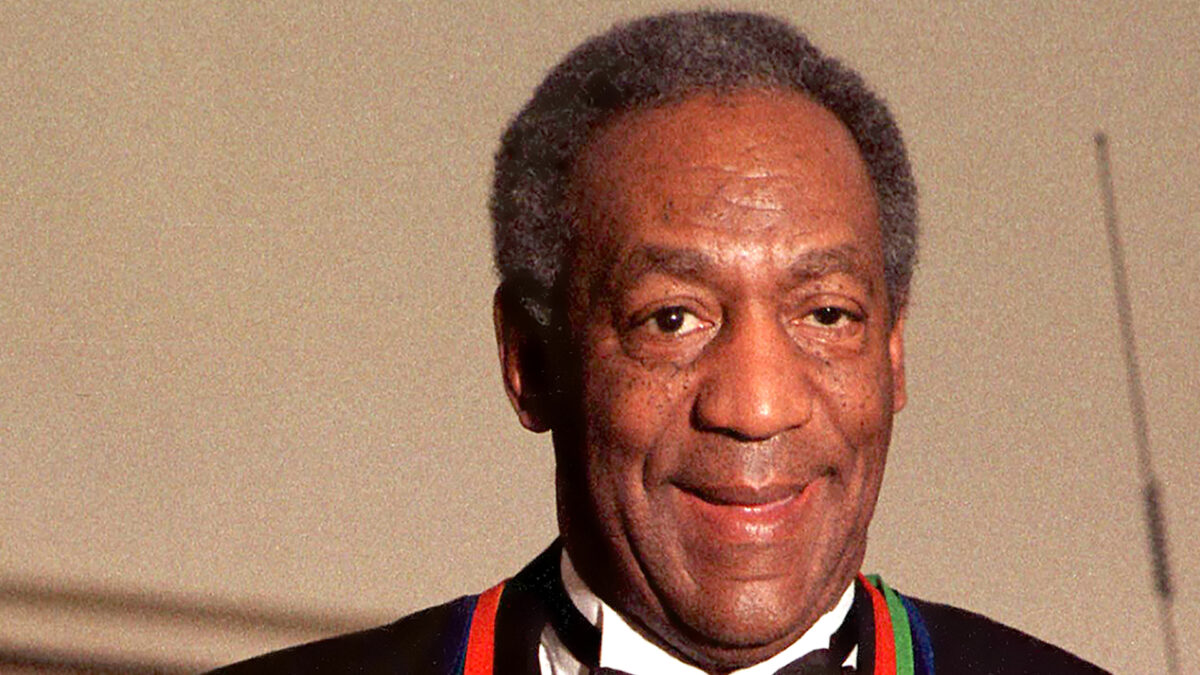
2018: Bill Cosby’s Conviction
In 2018, comedian Bill Cosby was found guilty of sexual assault in Pennsylvania. This marked a significant moment in the ongoing conversation about accountability and justice for victims of sexual misconduct. The case highlighted the importance of addressing allegations against public figures and brought attention to the broader issue of sexual violence.
2010: Premiere of “Iron Man 2”
In 2010, the film “Iron Man 2,” directed by Jon Favreau and starring Robert Downey Jr. and Gwyneth Paltrow, premiered in Los Angeles. The movie was a major success and further solidified the Marvel Cinematic Universe as a dominant force in the entertainment industry.

1994: First Multi-Racial Elections in South Africa
The year 1994 marked the first day of voting in the first ever multi-racial elections in South Africa. This event symbolized a turning point in the country’s history, as it transitioned from apartheid to democracy. It was a moment of hope and unity for many South Africans.

1993: Conan O’Brien Takes Over
In 1993, NBC announced that Conan O’Brien would replace David Letterman. This decision signaled a new era for late-night television and set the stage for O’Brien’s successful career in comedy and broadcasting.

1991: Diego Maradona’s Arrest
In 1991, soccer star Diego Maradona was suspended for using cocaine and later arrested in Argentina for possession and distribution of illegal narcotics. His arrest drew international attention and underscored the challenges faced by athletes in maintaining personal conduct.

1986: Chernobyl Disaster
The year 1986 saw the world’s worst nuclear disaster at Chernobyl in Kiev. Thirty-one people died in the incident, and thousands more were exposed to radioactive material. The disaster had long-lasting environmental and health consequences.

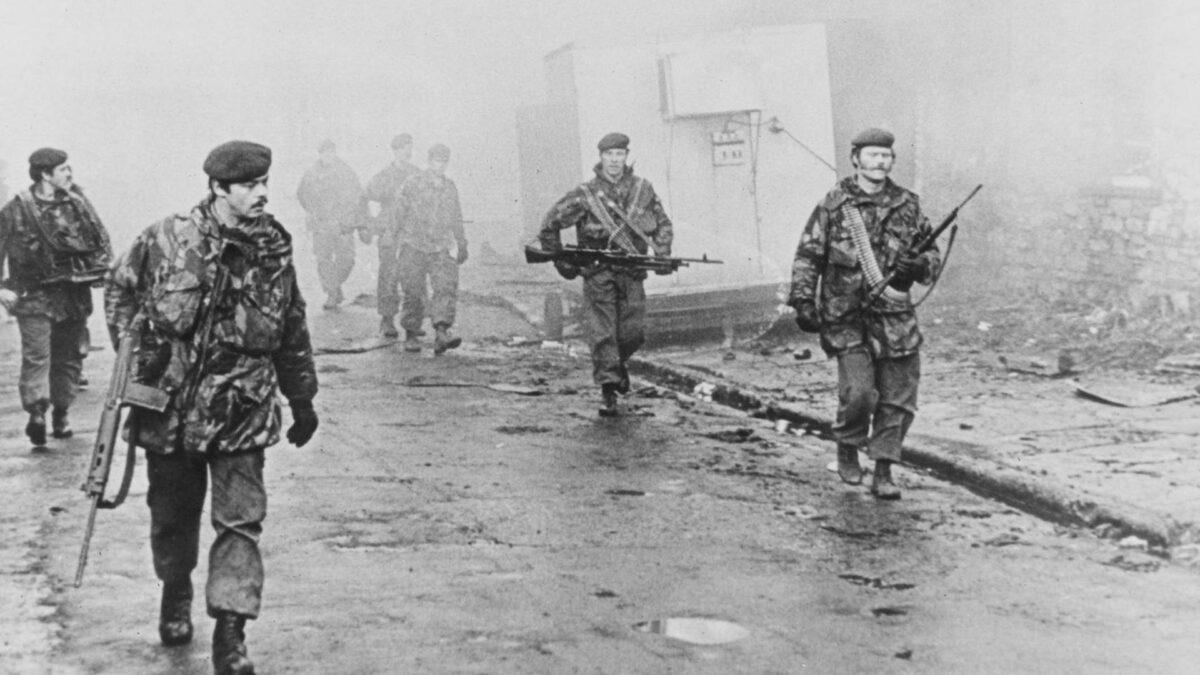
1982: Argentina’s Surrender
In 1982, Argentina surrendered to Great Britain on South Georgia Island, near the Falkland Islands. This event was part of the Falklands War, a conflict that had significant geopolitical implications.
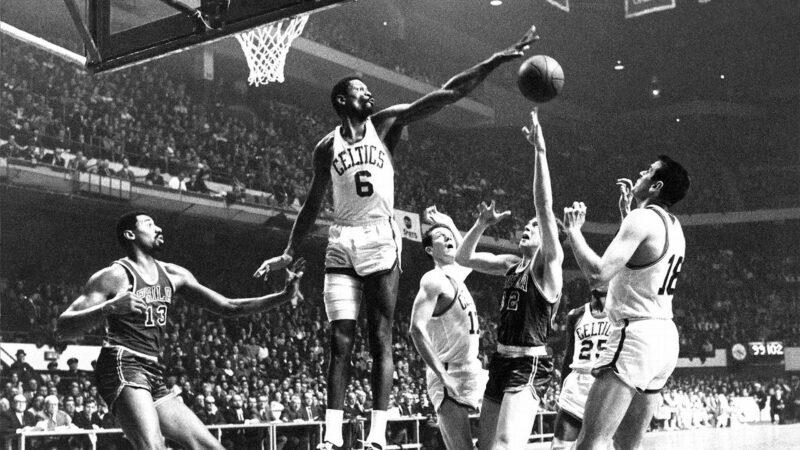
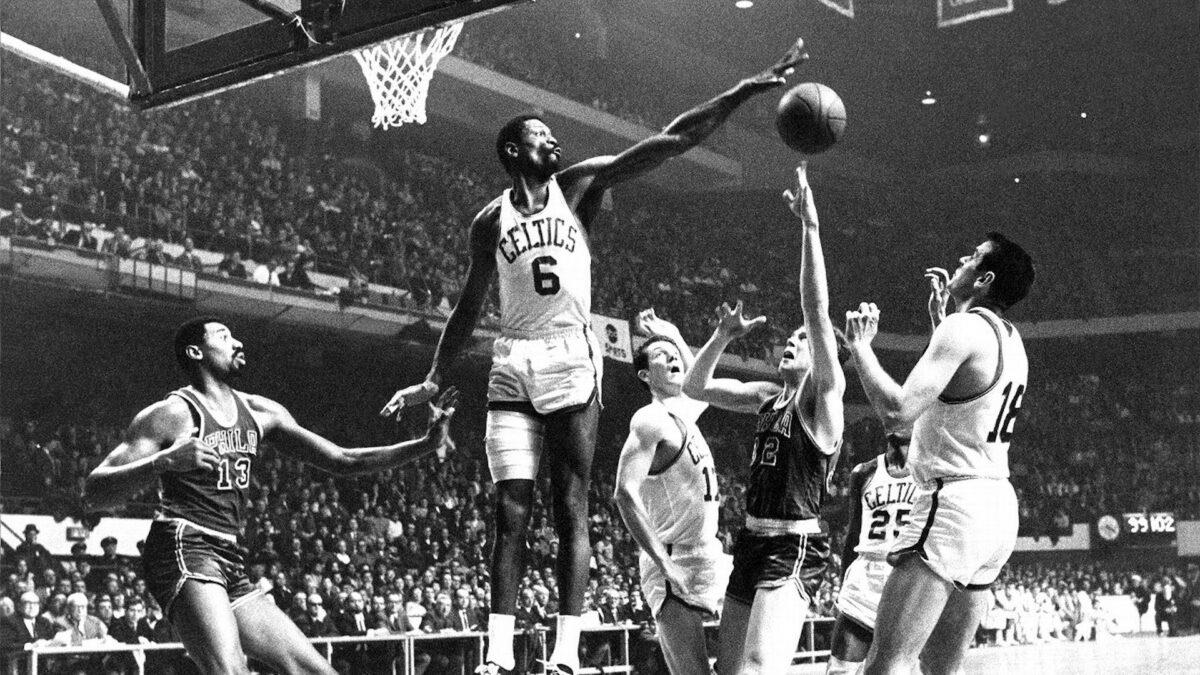
1964: Boston Celtics’ NBA Championship
In 1964, the Boston Celtics won their sixth consecutive NBA title. They continued to dominate the league with two more championships before their streak ended. The team’s success during this period is considered one of the greatest in basketball history.
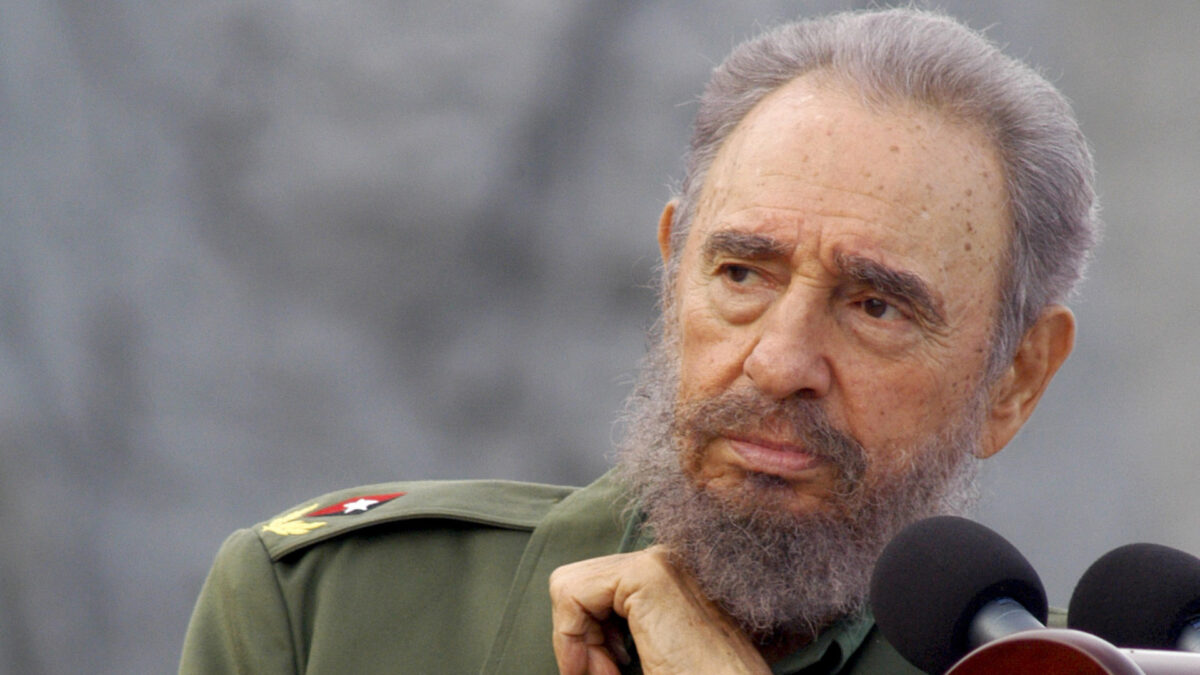
1959: Fidel Castro’s Visit
In 1959, Fidel Castro, then the Premier of Cuba, visited Montreal. This visit was a significant moment in the relationship between Cuba and Canada, highlighting the political dynamics of the time.
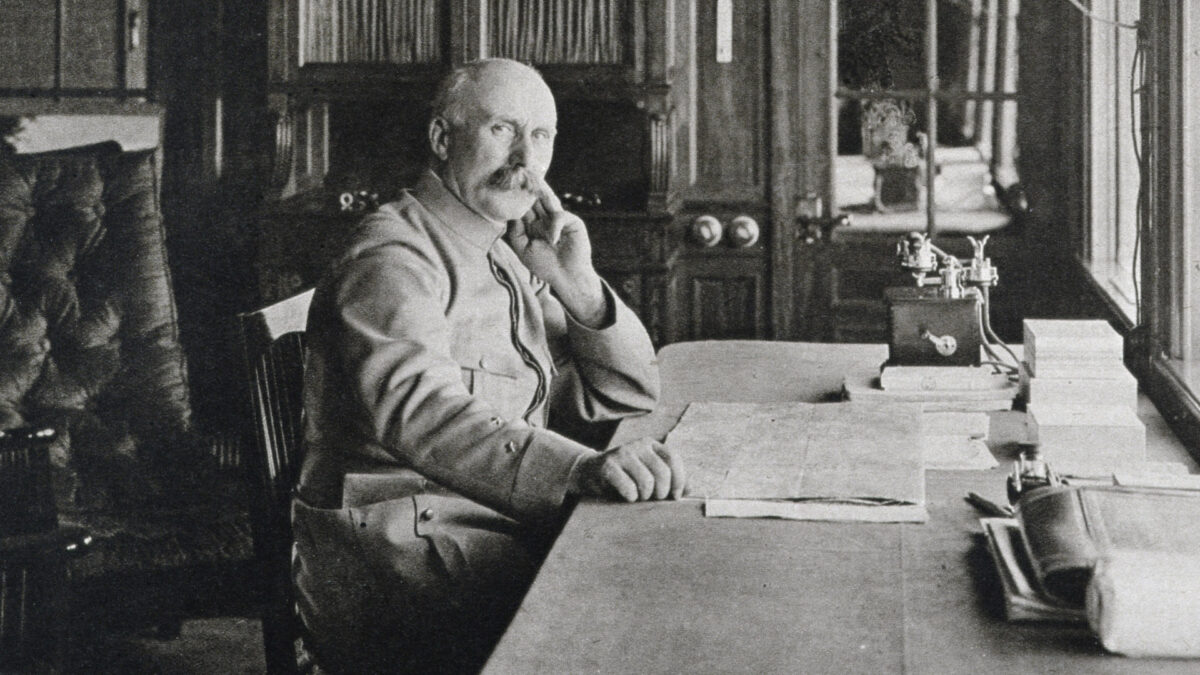
1945: Arrest of Marshal Pétain
In 1945, Marshal Philippe Pétain, leader of France’s Vichy collaborationist regime during World War II, was arrested for treason. His arrest marked the end of an era and the beginning of a new chapter for France.
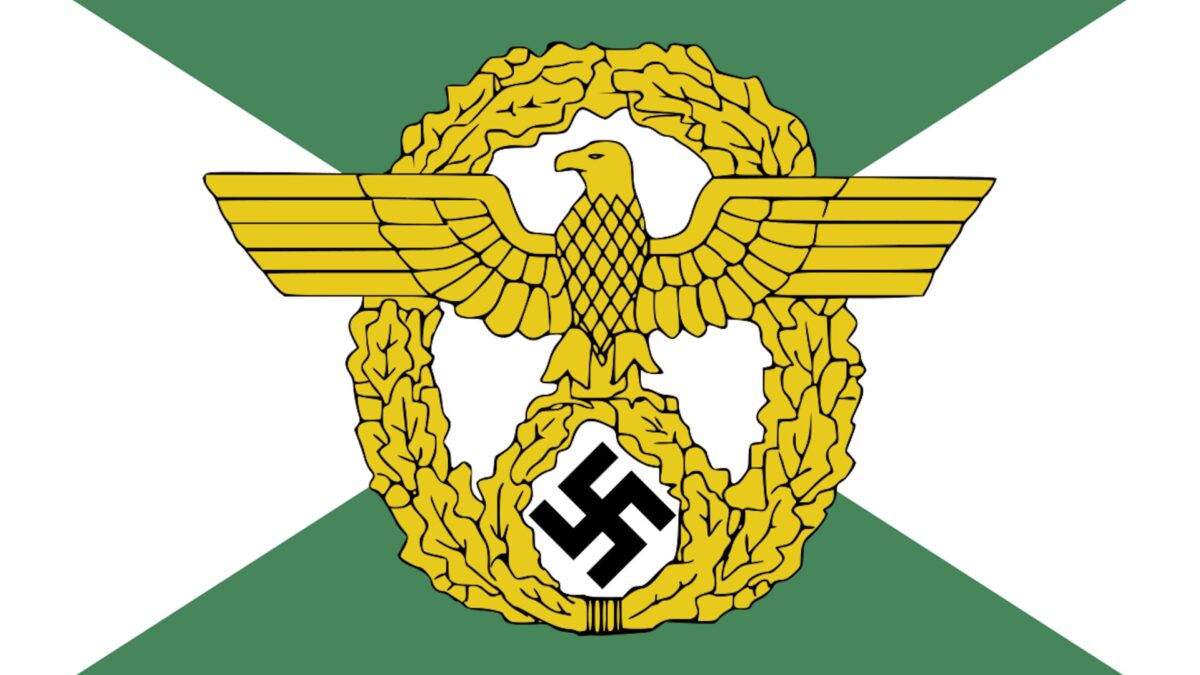
1933: Establishment of the Gestapo
In 1933, the Gestapo, the official secret police force of Nazi Germany, was established. This organization played a central role in enforcing Nazi policies and suppressing opposition, leaving a dark legacy in history.
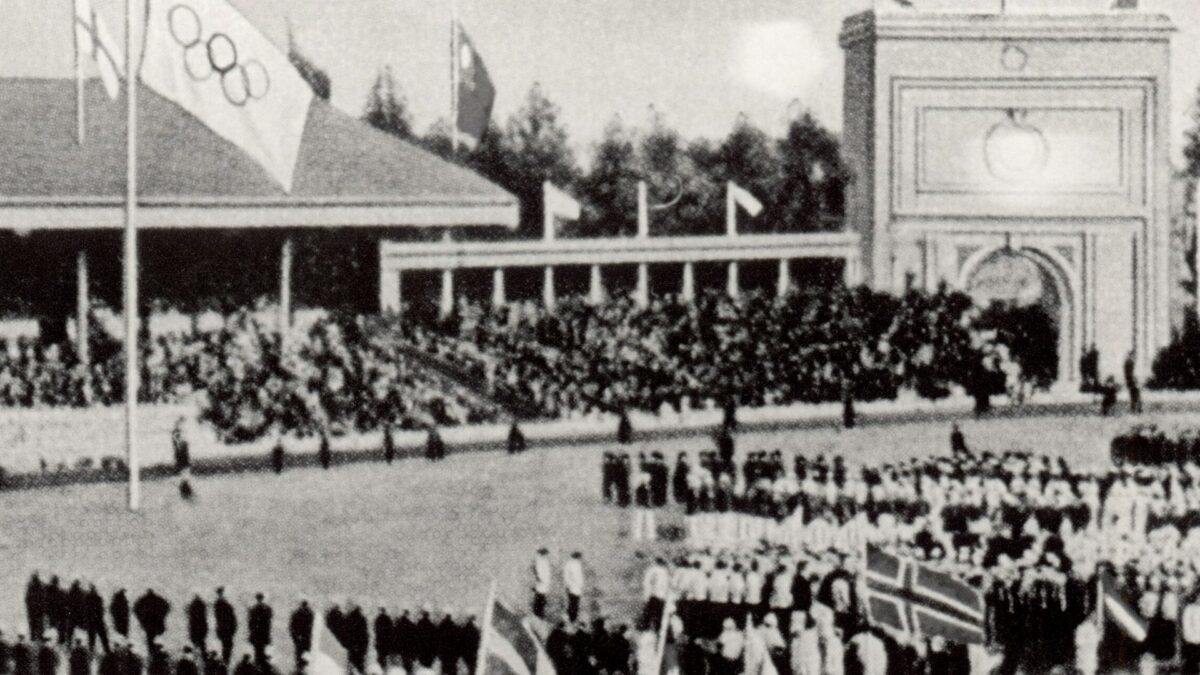
1920: Ice Hockey’s Olympic Debut
In 1920, ice hockey made its Olympic debut at the Antwerp Games. Canada’s 12-1 victory over Sweden in the gold medal match showcased the sport’s growing popularity and competitive spirit.
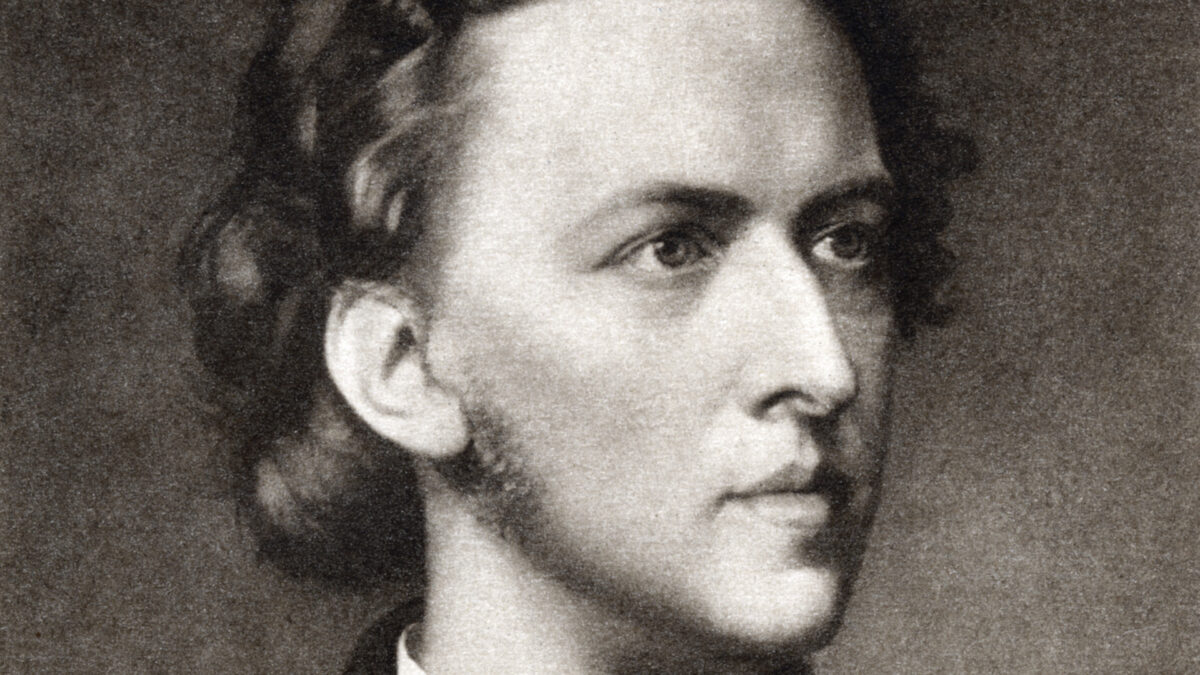
1835: Chopin’s Premiere
In 1835, Frederic Chopin’s “Grand Polonaise Brillante” premiered in Paris. This piece is a testament to Chopin’s genius and his contributions to classical music.
1792: Composition of “La Marseillaise”
In 1792, “La Marseillaise,” later the national anthem of France, was composed by Claude Joseph Rouget de Lisle in Strasbourg. The song became a powerful symbol of the French Revolution and remains an important part of French culture.

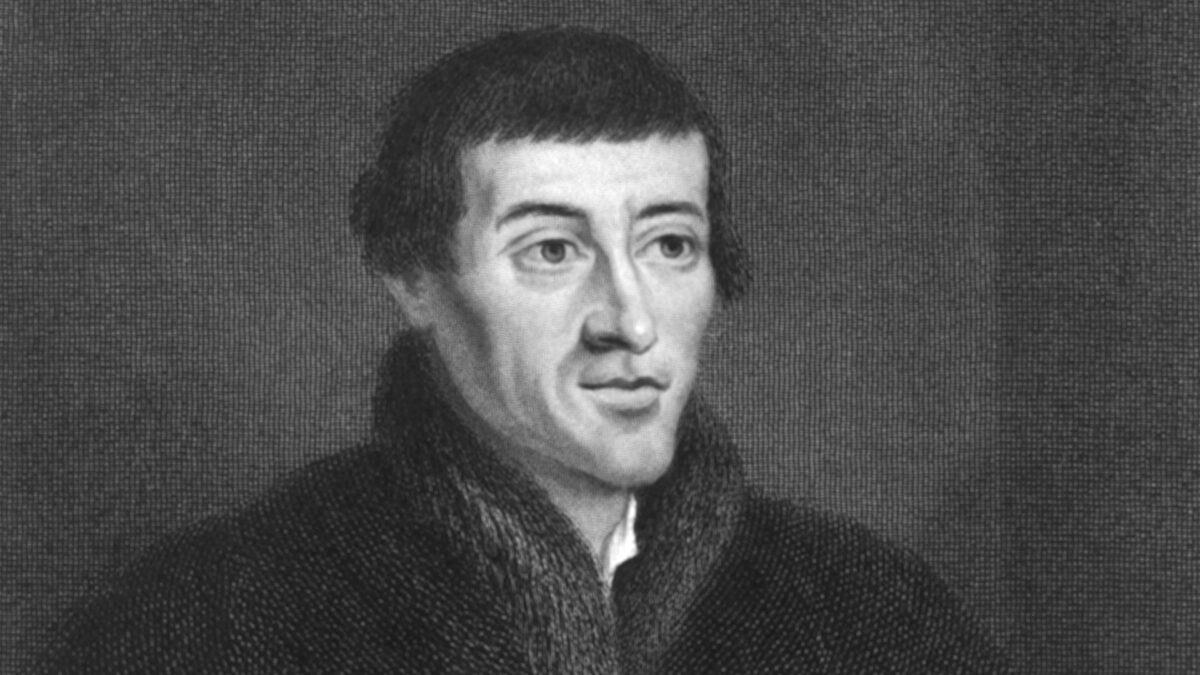
1514: Copernicus’s Observations
In 1514, Nicolaus Copernicus made his first observations of Saturn. These observations contributed to the development of the heliocentric model of the solar system, challenging traditional views and paving the way for modern astronomy.