France’s Call for European Unity and Self-Reliance
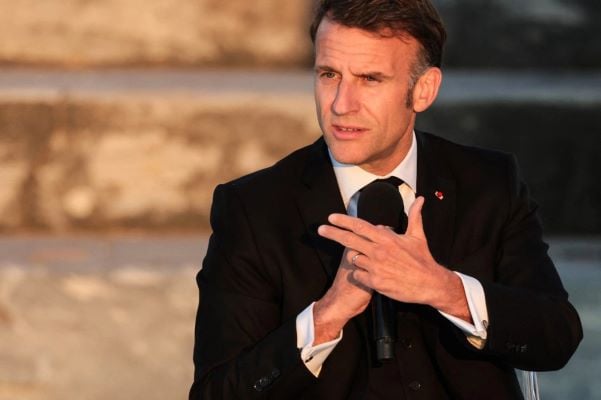
In a significant address, French President Emmanuel Macron has called on Europe to strengthen its unity and move towards greater self-reliance in the face of evolving global alliances. His comments come at a time when geopolitical tensions are rising between major powers and traditional Western allies. This statement is particularly noteworthy as it highlights an ongoing discussion about Europe’s strategic independence and long-term security approach.
Macron emphasized that Europe is currently experiencing a “unique moment” in global politics, where major powers are aligning against its interests. He pointed out that the United States, Russia, and China are increasingly acting in ways that challenge Europe’s position. The French president stressed that the continent must respond with more confidence and a coordinated political strategy to navigate these challenges effectively.
One of the key points raised by Macron was the changing dynamics in transatlantic relations. He suggested that tensions with Washington are not temporary but rather indicative of a deeper shift in the relationship between Europe and the United States. According to Macron, Europe should no longer depend solely on external powers for its security and policy direction. Instead, he advocated for a more autonomous European agenda that is shaped by internal consensus and long-term strategic planning.
The context of these remarks is crucial. They come amid broader discussions within Europe about defence and security independence. Several European governments have already started increasing their defence spending and revising military strategies in response to global instability. Analysts believe that these developments reflect growing concerns over reliance on external alliances in an increasingly fragmented international system.
Macron’s call for European strategic autonomy in defence and foreign policy is part of a larger movement. While cooperation with allies remains important, the focus is shifting towards self-reliance and unified action. This debate is expected to play a significant role in shaping future EU policies on security, defence, and global engagement.
Key Points from Macron’s Address
- Macron highlighted the importance of unity among European nations to counteract the influence of major global powers.
- He warned that Europe is facing a critical juncture in global politics, where traditional alliances may no longer provide the same level of support.
- The French president emphasized the need for a coordinated political strategy to ensure Europe’s position on the world stage.
- Macron called for a more autonomous European agenda, suggesting that internal consensus and long-term planning should guide decision-making.
- He acknowledged the growing concern among European nations about their reliance on external alliances, especially in light of global instability.
Implications for European Policy
The push for strategic autonomy is likely to have far-reaching implications for European policy. As countries reassess their security needs and foreign policy approaches, there may be a shift towards more independent decision-making. This could lead to changes in how Europe engages with other regions and how it addresses global challenges.
In addition to defence and security, the emphasis on self-reliance may also influence economic and diplomatic strategies. European nations may seek to reduce their dependence on external markets and political influences, fostering a more balanced and resilient approach to international relations.
As the debate continues, it will be essential for European leaders to find a balance between maintaining strong alliances and pursuing a more independent path. This will require careful consideration of the benefits and challenges associated with increased self-reliance.
Conclusion
Emmanuel Macron’s message underscores a growing trend towards European strategic autonomy. His call for unity and self-reliance reflects a broader recognition of the need for Europe to assert its own position in an increasingly complex global landscape. As the continent navigates these challenges, the focus on internal consensus and long-term planning will be crucial in shaping its future.